A SIGNIFICANT number of vessels operating in Fiji’s waters may go undetected because they are switching off tracking technology, limiting the navy’s ability to monitor maritime movements.
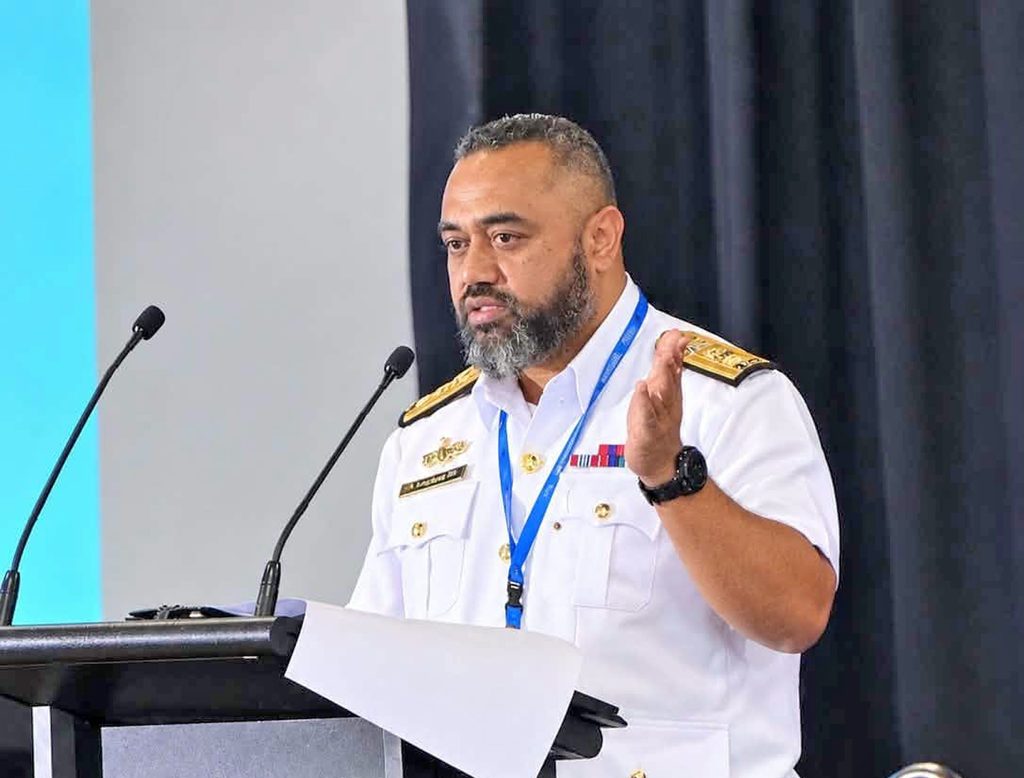
Navy Commander Commodore Timoci Natuva said the Automatic Identification System (AIS), used to track vessels, only allowed authorities to monitor ships transmitting their signals.
Speaking on maritime security at the ODDP annual conference in Sigatoka last week, Commodore Natuva said the proportion of vessels operating undetected could not be accurately determined, as monitoring depended on available resources and whether vessels kept their AIS switched on.
“Vessels exceeding 500 tonnes were generally required to carry AIS, subject to relevant flag state and Fiji legislation requirements,” he said.
“However, we had observed a decline in vessels transmitting AIS signals, from more than 98 per cent in 2022 and 2023 to about 40 to 50 per cent in recent years.”
Commodore Natuva said criminal networks had also adapted their methods, with recent cases involving drugs being transferred at sea and transported using local vessels.
“So monitoring Fiji’s 1.3 million square kilometres of maritime waters is difficult, especially given the limited resources available to us and our enforcement agencies.”
He said the navy was working with the Fiji Police Force, Immigration, Customs and other agencies to address the threat.
Commodore Natuva said the navy’s approach was focused on detecting, deterring and disrupting criminal activity rather than completely eliminating it.
He identified the Maritime Powers Act and the establishment of the Maritime Security Oversight Committee as important mechanisms to strengthen coordination between enforcement agencies.
“So our agencies continue to work with limited budgets while confronting criminal organisations with significantly greater financial resources.”