October 10 holds a unique place in Fiji’s history.
It is an important date for the country because it marks two major events in history:
In 1874: Fiji was ceded to Britain and became a British colony.
In 1970: Fiji gained independence and became a self-governing nation.
In the early 1800s, Fiji was divided by tribal conflicts, and European traders, settlers, and missionaries were increasing their influence according to stories and research.
To bring stability and protection, Ratu Seru Epenisa Cakobau and other chiefs agreed to place Fiji under British rule.
On October 10, 1874, Cakobau and 12 chiefs signed the Deed of Cession in Levuka, making Fiji a British colony.
British rule lasted for 96 years. During this period: Suva became the capital in 1882.
The Native Land Trust Board was established in 1940 to protect iTaukei land. Nadi Airport was built and played an important role during World War II.
Queen Elizabeth II visited Fiji in 1953.
In the 1960s, Fiji gradually moved towards self-government:
Indigenous Fijians and women gained voting rights.
Local leaders took on greater responsibilities in government.
Ratu Sir Kamisese Mara became Fiji’s first Chief Minister in 1967.
After negotiations between Fiji’s political leaders, a new constitution was agreed upon in 1970, clearing the way for independence.
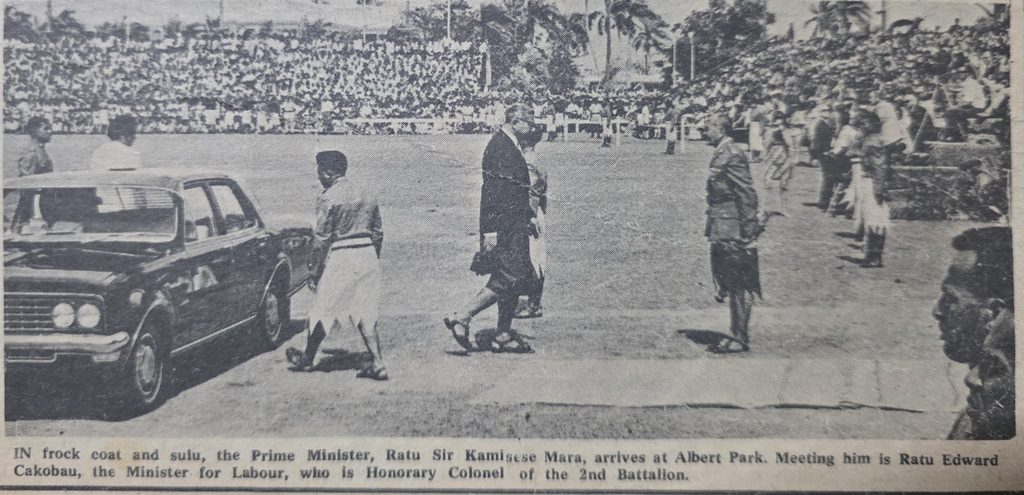
On October 10, 1970, Fiji became independent.
At a ceremony in Albert Park, Suva, the British flag was lowered and the Fiji flag was raised.
Ratu Sir Kamisese Mara became Fiji’s first Prime Minister and is remembered as the Father of the Nation.
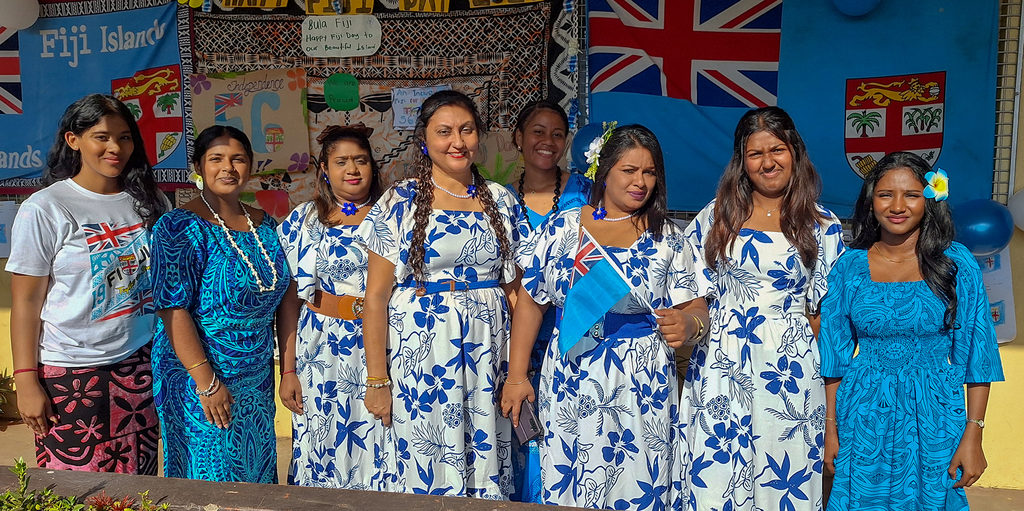
Today, Fiji Day is celebrated every year on October 10 as part of Fiji Week, recognising Fiji’s journey to independence and celebrating the nation’s unity, cultural diversity, and shared future.
In 1974, Prince Charles assured Fijians that the Crown would always hold a deep affection for them, as evidenced by his meeting with the people.
According to an article published by The Fiji Times on October 10 that year, he was speaking at Nasova, Levuka, the site of the signing of the Deed of Cession.
Surrounded by descendants of the Fijian chiefs who signed the deed, he unveiled a plaque set in a stone to commemorate the centenary of the signing event.
The Prince joked that there were already many stones at Nasova — one he unveiled to mark Fiji’s independence in 1970, another to commemorate the signing of the Deed of Cession, and the new centenary stone.
He said he hoped he would be back to unveil a fourth stone.
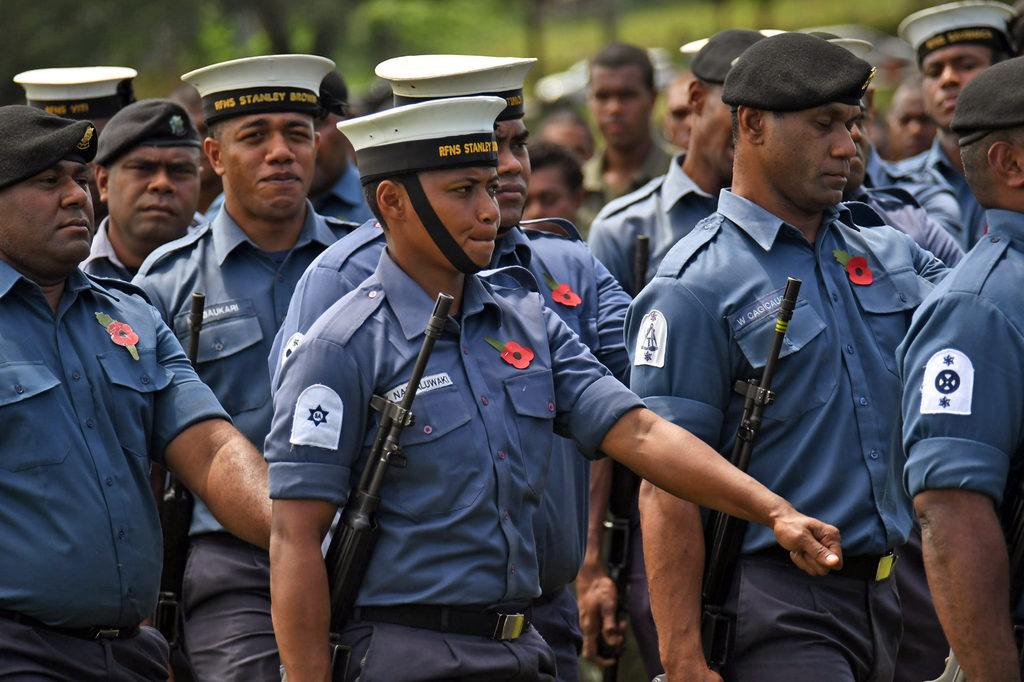
The day’s celebrations began at Levuka when the Australian destroyer HMAS Vendetta boomed a 21-gun salute across the harbour.
On shore, the naval liaison officer, Captain Stan Brown, gave a salute while a combined naval and police guard of honour formed by the gangplank of HMS Hydra, the ship that carried the Prince from Suva to Levuka.
He disembarked and rode in the back of an open vehicle through ranks of ex-servicemen to Nasau Park, where he met Mayor Cr Fred Kaad and Mrs Kaad and other Levuka town councillors and their wives.
Then he walked through the ranks of hundreds of schoolchildren, stopping to speak to teachers and students from almost every school.
He asked Torika Baleilekutu of Delana Junior Secondary School about her task as head girl. “It’s hard work controlling other students,” she replied.
Many of the children, even those of primary school age, remembered seeing Prince Charles when he visited Levuka during the independence celebrations in 1970. “He’s such a nice man, we’ve come to wave our flags for him again.”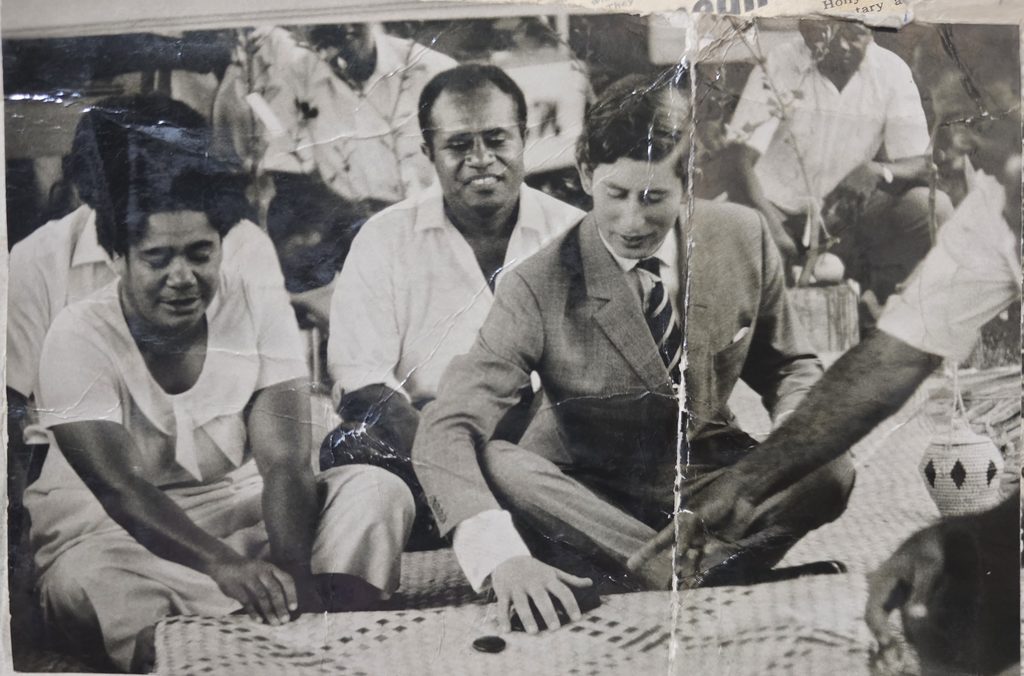
Picture: FT FILE
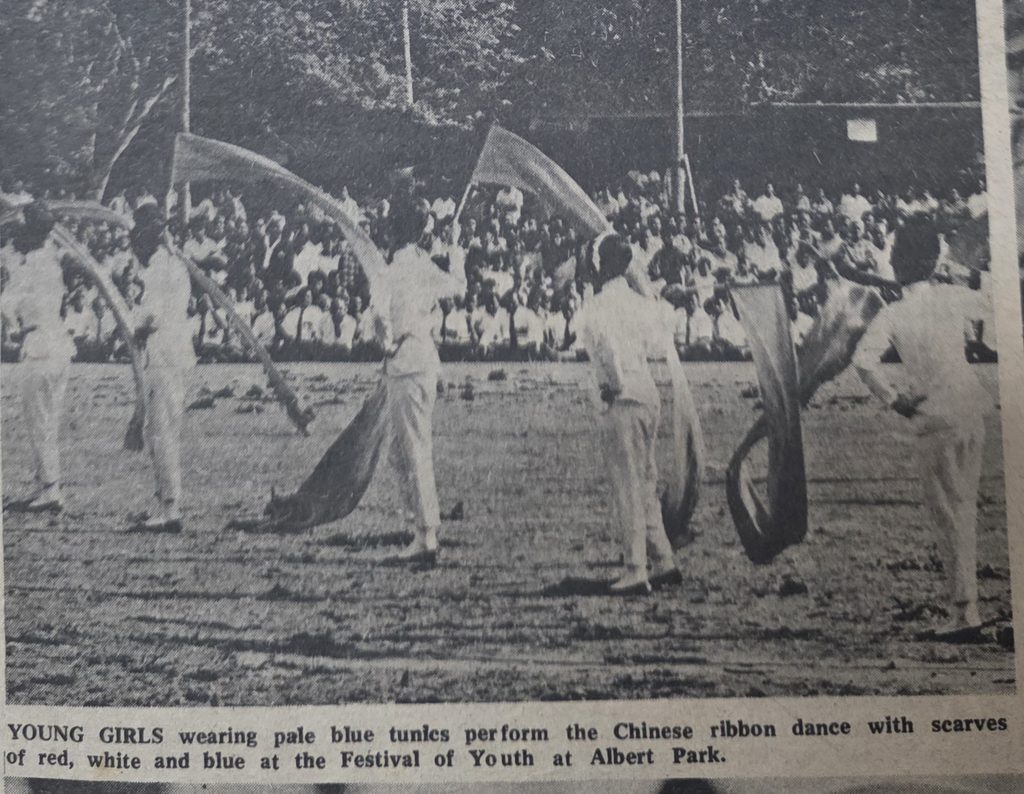
Young girls wearing pale blue outfits perform the Chinese ribbon dance with scarves of red, white and blue at the Festival of Youth at Albert Park.
Picture: FT FILE
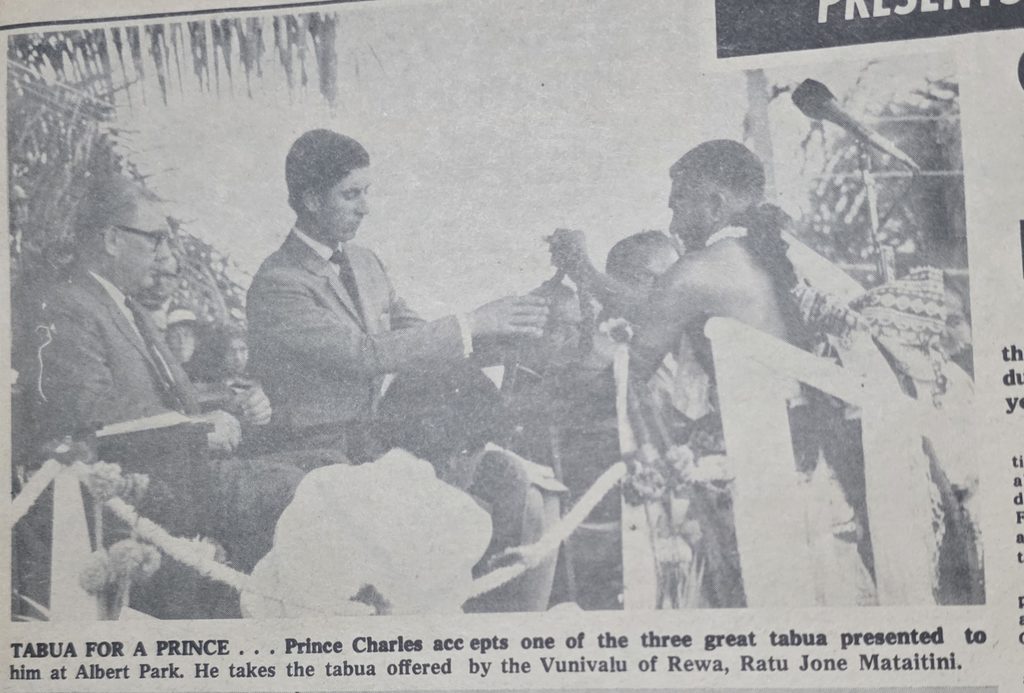
Tabua for a Prince… Prince Charles accepts one of the three great tabua presented to him at Albert Park. He takes the tabua offered by the Vunivalu of Rewa, Ratu Jone Mataitini. Picture: FT FILE