FIJI’S long-term population growth could be influenced by a changing social trend — fewer people are getting married.
The country recorded more than 3000 fewer marriages in 2024 than it did eight years earlier, a trend that carries potential implications for fertility, family formation and future population growth.
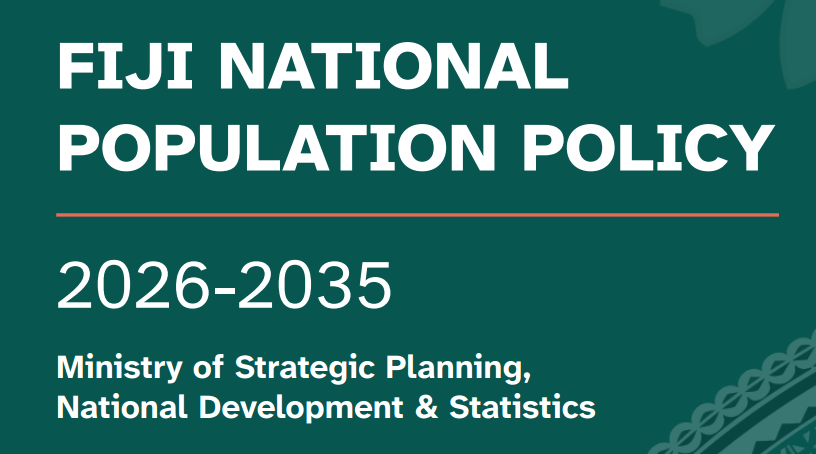
The Fiji National Population Policy 2026–2035, released by the Ministry of Strategic Planning, National Development and Statistics, identifies marriage as an important factor influencing fertility and population trends.
Figures sourced from the Ministry of Justice show that registered marriages declined by 31.8 per cent, from 9483 in 2016 to 6470 in 2024.
Put into perspective, Fiji went from registering an average of 26 marriages a day in 2016 to fewer than 18 a day in 2024.
Beyond the decline in wedding numbers lies a broader demographic question: What could fewer marriages mean for the size and composition of Fiji’s population in the decades ahead?
The policy notes that the number of people entering unions, the age at which they marry and the dissolution of marriages through divorce or widowhood can influence the number of potential mothers and children born in the country.
The downward trend was evident even before the COVID-19 pandemic, with marriage registrations falling from 9483 in 2016 to 8085 in 2019.
Registrations dropped sharply to 5789 in 2020 before reaching a nine-year low of 5091 in 2021.
While marriages rebounded to 7399 in 2022, the recovery was short-lived, with registrations falling to 6886 in 2023 and 6470 in 2024.
Fiji’s crude marriage rate also declined from 10.8 marriages per 1000 people in 2016 to 7.2 in 2024.
The policy does not establish the reasons behind the decline in marriages or quantify its direct impact on population growth.