
Opposition MP Viam Pillay has rejected claims that concerns raised by cane growers are being politicised, saying the issue facing the sugar industry is one of basic survival.
In a statement, Mr Pillay said growers and labourers were willing to harvest cane but could not afford to do so under current payment rates.
“Stop politicizing the whole issue. That is what is being said to us, but the reality on the ground is simple survival,” he said.
Mr Pillay argued that the current delivery payment of $47 per tonne does not cover harvesting costs.
“We are being told to be grateful for a floor price, but the math does not work. When the payout is only 47 per tonne, it does not even cover the basic cost of harvesting.”
He said the minimum cost for farmers close to the mill was about $52 per tonne, while growers in areas such as Rakiraki and the interior of Sigatoka faced costs exceeding $60 per tonne.
“The farmers and the laborers are ready to harvest. They want to be out in the fields, but it is not a matter of them not wanting to work. They simply cannot afford to work at the prices currently being offered,” he said.
Mr Pillay said concerns over sugar shortages and national quotas would persist unless harvesting costs were addressed.
“FSC and others are panicking about a sugar shortage and the national quota, yet they refuse to address the fundamental issue of covering harvesting costs.”
He said he had formally asked the Sugar Industry Tribunal and the Fiji Sugar Corporation to increase the delivery price and clarify whether higher costs would be accommodated.
According to Mr Pillay, targeted subsidies and rebates for truck owners and harvesting gangs were needed to restore confidence in the industry.
“We need targeted subsidies and rebates for our truck owners and for harvester rates. That is the only way our cane cutting gangs can hold their annual general meetings and feel confident enough to submit their agreements,” he said.
Mr Pillay revealed that his co-operative was due to hold its annual general meeting this Sunday, but decisions would depend on whether the issues raised were addressed.
“People cannot sign a contract that guarantees they will lose money,” he said.
He accused those defending the current pricing system of ignoring the economic realities facing growers.
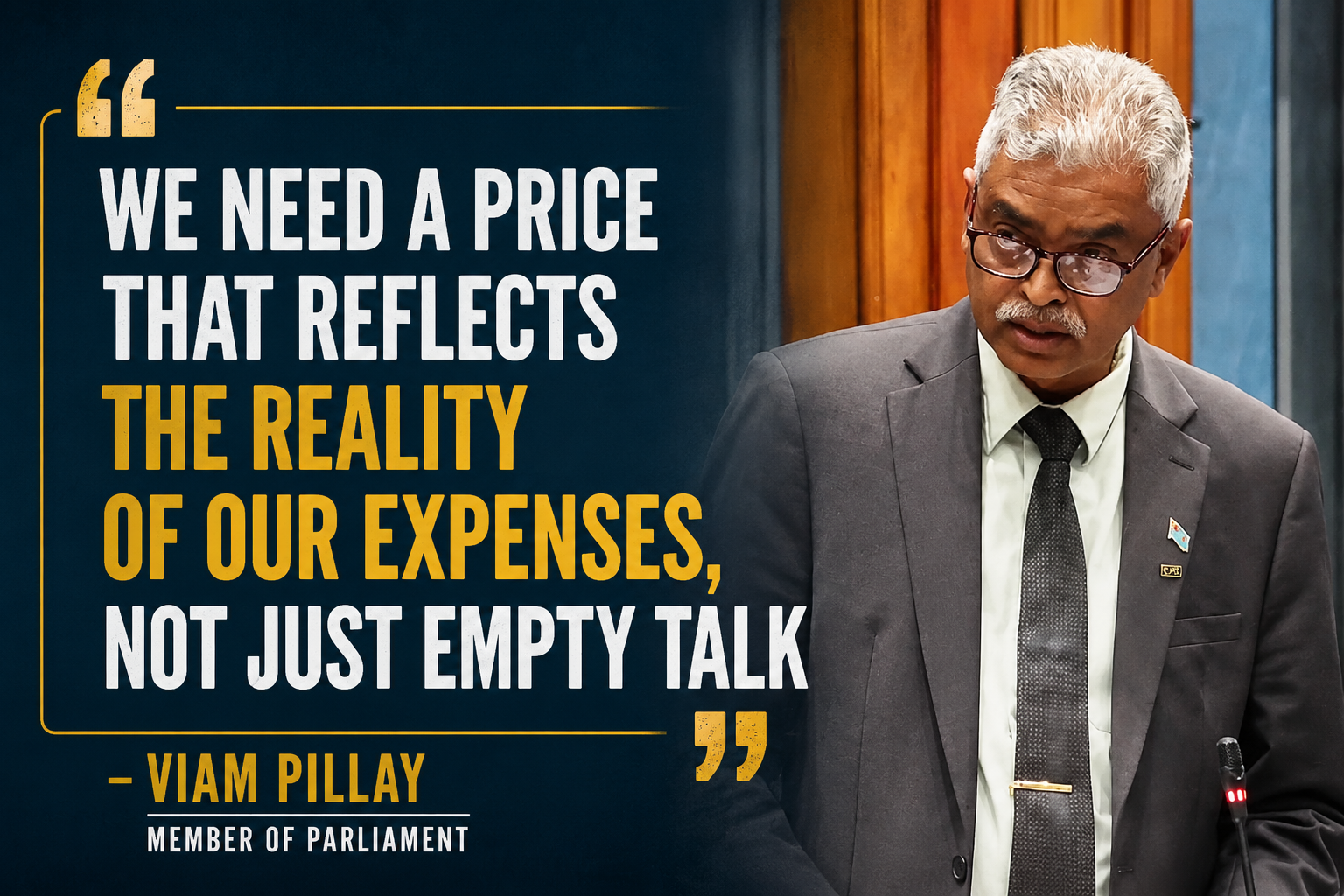
“We need a price that reflects the reality of our expenses, not just empty talk,” Mr Pillay said.

