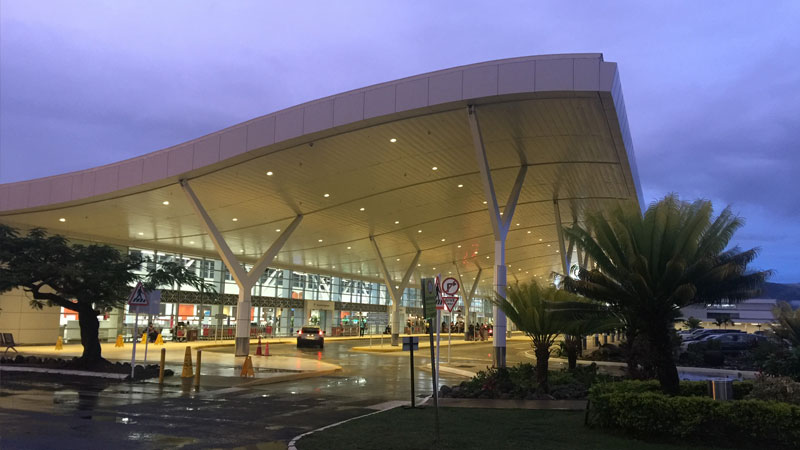
FIJI Airports is progressing a medium-term energy security strategy targeted at reducing reliance on fossil fuels and improving long-term sustainability.
This includes the development of a 3.25megawatt solar farm at the Nadi International Airport by 2029, the rollout of solar panel systems at other airports, and the continued expansion of Fiji’s largest electric vehicle fleet, including specialised airside equipment such as the recent introduced ambulift.
Fiji Airports chief executive officer Mesake Nawari made these comments in an e-mail interview in response to the Government’s announcement last week of the new interim fuel surcharge emanating from the trickle effects of the Middle East crisis.
He said Fiji Airports had implemented ongoing cost management and operational efficiency measures in response to rising energy and utility costs, which included tighter controls on electricity consumption, transportation and fleet usage, travel management, and broader organisation-wide cost control initiatives.
Following the announcement, Mr Nawari said they continued to engage with key stakeholders and also monitor feedbacks.
He added it was still early to provide a comprehensive assessment of stakeholder responses at this stage.
“Electricity is a significant operational requirement for Fiji Airports given the 24-hour nature of airport operations, including runway lighting systems, terminal air conditioning, navigational aids, security systems, baggage handling systems, and other critical aviation infrastructure,” Mr Nawari told this newspaper.
“Any increase in electricity tariffs will naturally have a direct impact on operational expenditure and overall cost structures.
“While Fiji Airports continues to maintain prudent financial management practices, sustained increases in utility cost of maintaining world-class airport infrastructure and services.”
Mr Nawari said they had consistently pursued energy efficiency initiatives as part of its long-term sustainability strategy, and after last week’s announcement, discussions were now underway to further strengthen those measures.
“This includes reviewing the opportunities to optimise energy consumption across airport facilities, accelerating renewable and energy-efficient infrastructure initiatives where feasible, and identifying operational efficiencies that minimise any impact on service delivery and customer experience.”
He said the institution remained committed to operational efficiency, safety and customer experience, and would continue actively managing the financial implications of the surcharge while maintaining operational continuity and service standards.