
Fiji’s inflation is expected to rise further in the coming months, with the Reserve Bank of Fiji warning that recent increases in electricity and fuel costs will add significant pressure to consumer prices.
In its May 2026 Economic Review, the RBF reported that annual headline inflation turned positive at 1.8 percent in April after more than a year of deflation.
The increase was driven largely by higher fuel and food prices as the effects of rising global oil prices filtered through the economy. The central bank also highlighted rising kava prices as a contributor to inflationary pressures, noting strong domestic consumption and growing overseas demand for the crop.
Looking ahead, the RBF said inflation is likely to climb further due to the direct impact of the Energy Fiji Limited tariff surcharge and fuel price increases introduced in May.
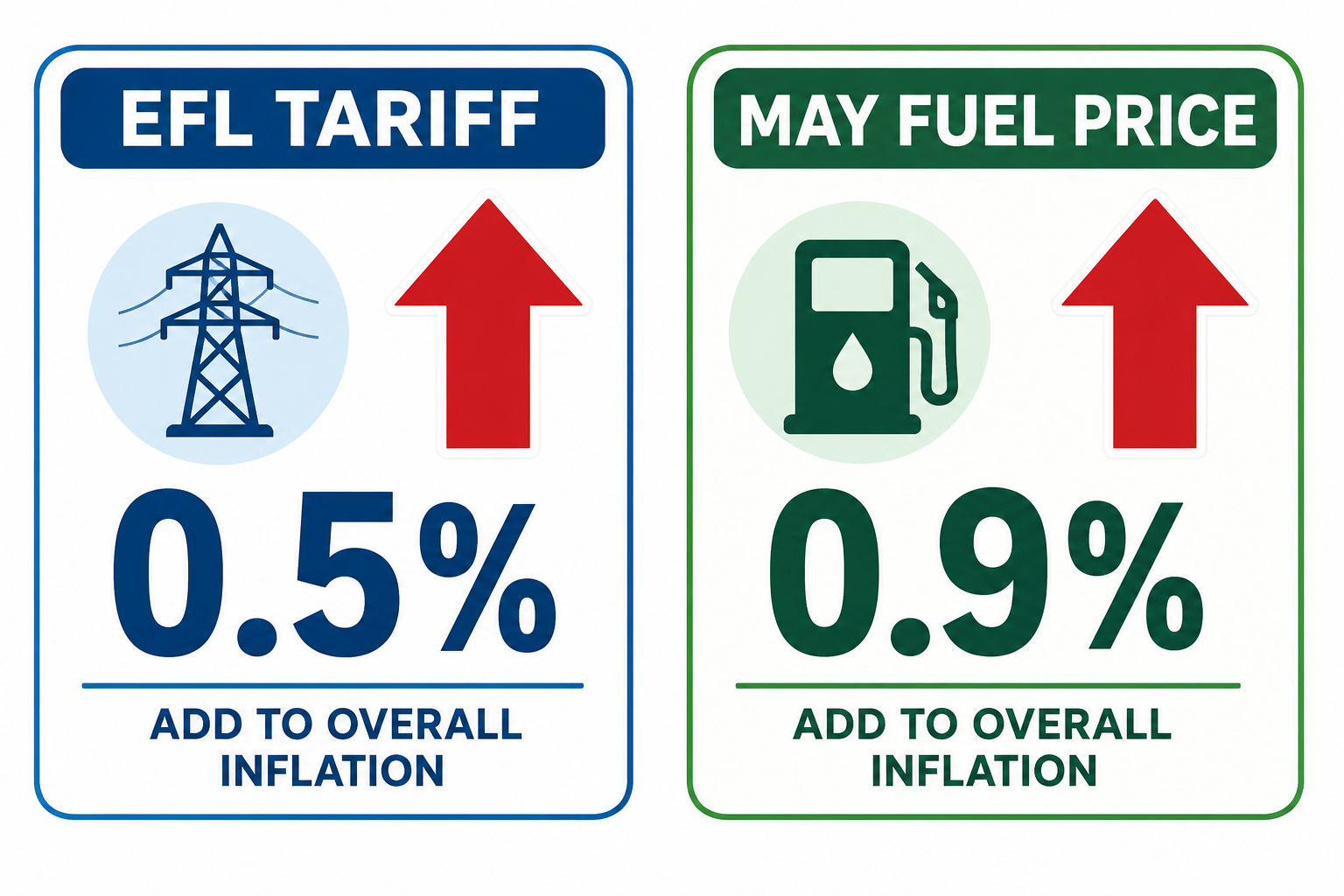
According to the review, the EFL tariff surcharge of 5.91 cents per unit is estimated to add 0.5 percentage points to overall inflation, while higher fuel prices are expected to contribute a further 0.9 percentage points.
Combined, the two increases could add around 1.4 percentage points to Fiji’s inflation rate.
The central bank noted that risks to the inflation outlook remain tilted to the downside, although several domestic and international challenges continue to pose uncertainty.
Among the key external risks identified are elevated global fuel prices and tighter monetary conditions in Fiji’s major trading partner economies. The RBF warned these factors could affect travel demand, which has already shown signs of moderation.
On the domestic front, the bank said the recent electricity tariff increase is expected to raise operating costs for businesses, potentially disrupting production and affecting both consumer and business confidence.
The latest assessment comes as households and businesses continue to grapple with rising living and operating costs, with electricity and fuel expenses likely to place further strain on budgets in the months ahead.
While inflation remains relatively low by historical standards, the RBF’s outlook suggests consumers can expect higher prices as the full impact of recent cost increases flows through the economy.

