The Centre for Democracy and Dialogue (CDD) has strongly criticised the Rabuka Government for extending restrictions on civil society organisations during election campaigns from approximately 45 days to potentially more than eight months.
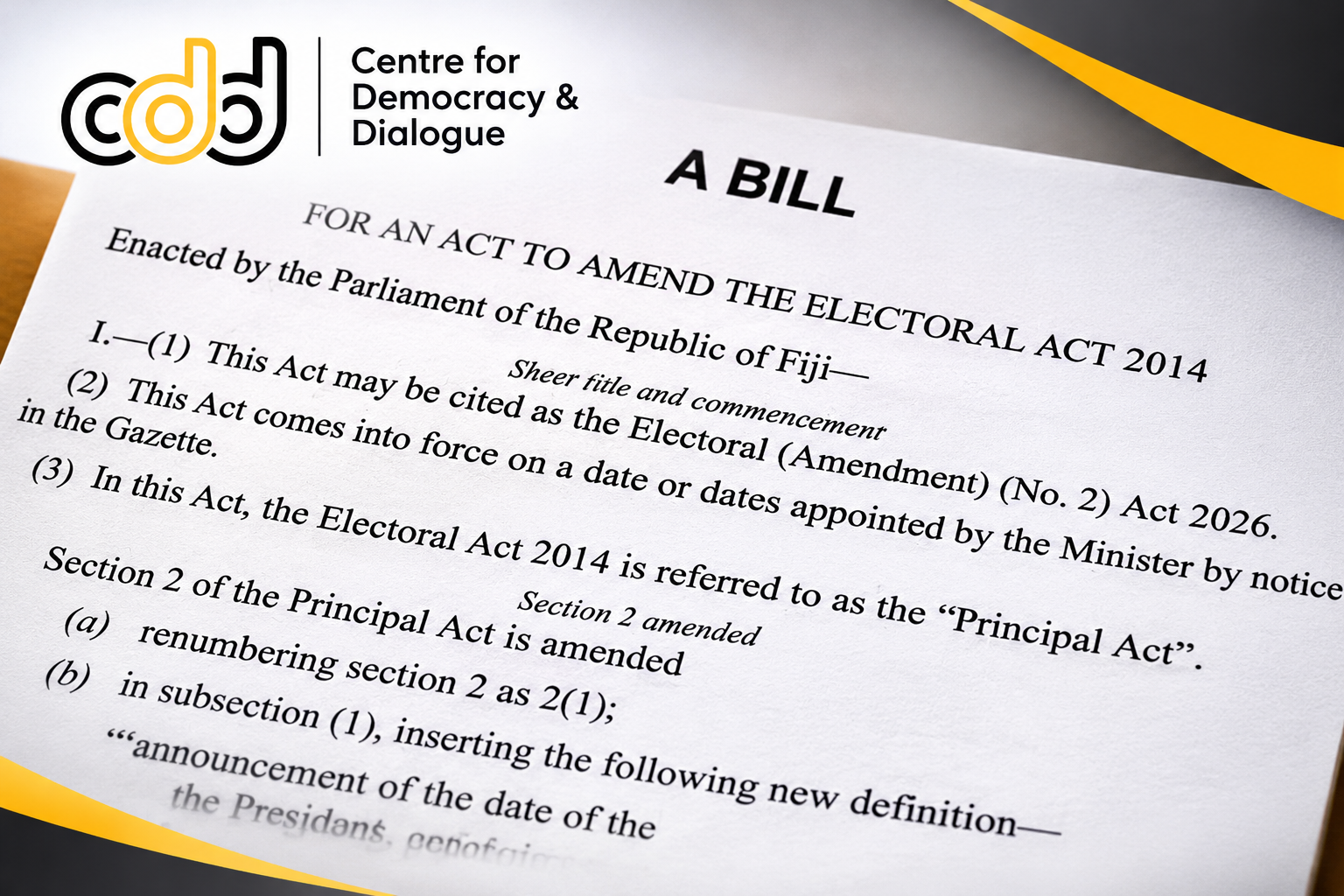
CDD described the amendment to section 115 of the Electoral Act 2014, that was passed in Parliament yesterday, as a major regression for democracy, accusing the Coalition Government of making the law more restrictive than it was under the former Bainimarama administration.
The organisation said the restrictions, which previously took effect following the announcement of an election date, would now apply throughout the official election campaign period.
With the Electoral Commission having declared the campaign period open on May 25, 2026, and the next general election potentially taking place as late as February 2027, CDD warned that affected organisations could face restrictions for more than eight months.
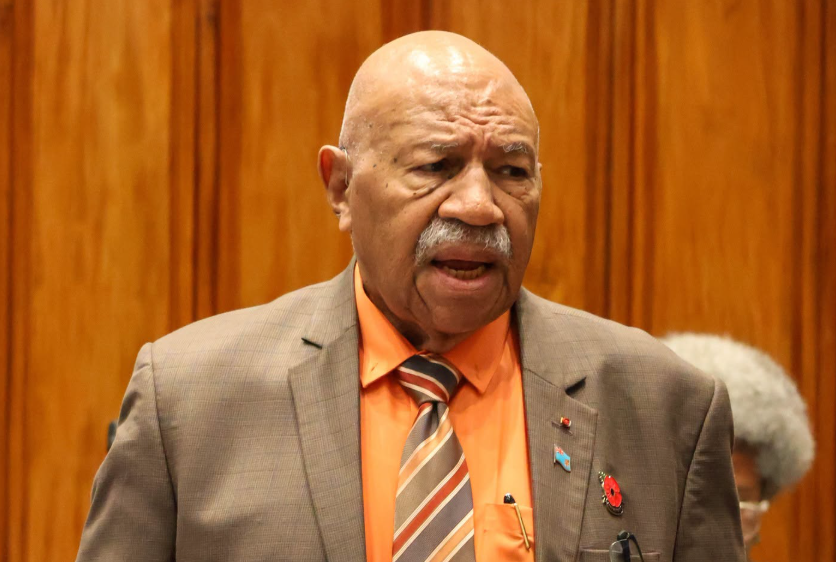
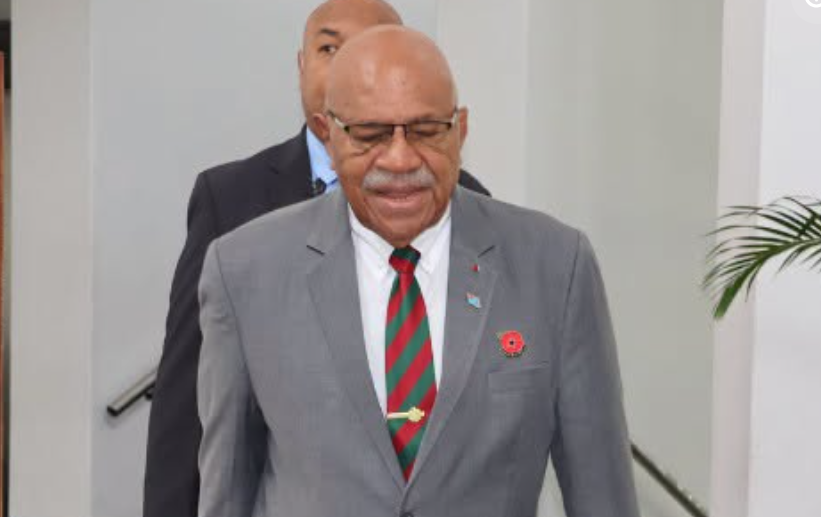
CDD said the development was particularly concerning because Prime Minister Sitiveni Rabuka had publicly criticised the same provision while serving in Opposition.
Speaking in Parliament on November 29, 2018, Mr Rabuka had stated: “Section 115 of that particular law limits voter education awareness by civil society organisations.”
CDD said Mr Rabuka had also acknowledged that voters were more confident and responsive to civil society outreach programmes than political party activities.
“Eight years later, Rabuka is Prime Minister. Yet the very restrictions he condemned have not only survived two rounds of electoral amendments under his Government, but have now been extended in a way that makes them far more restrictive than under Bainimarama,” CDD said.
The organisation said section 115 covered election-related campaigning activities such as organising debates, conducting public forums, holding meetings, participating in interviews, organising panel discussions and publishing material relating to elections or electoral issues.
It said the restrictions applied to organisations receiving foreign funding or assistance, including Fijian civil society groups supported by international development partners.
CDD warned that the breadth of the provision created uncertainty for independent voter education, electoral research and non-partisan public policy discussions.
The organisation acknowledged that preventing improper foreign interference in elections was legitimate but argued that foreign funding of political campaigns should be distinguished from international assistance supporting independent civic education.
It also raised concerns that the latest amendment sought to exclude further judicial review of certain Electoral Commission decisions under section 115.
CDD said this raised questions about constitutional guarantees of administrative justice and accountability.
The organisation questioned why the Government had retained and expanded restrictions that Mr Rabuka himself had previously condemned.
“The law Rabuka condemned under Bainimarama has now been made even more restrictive under his own Government,” CDD said.
It described the changes as a serious setback for civic freedoms and a departure from the Coalition Government’s promises of democratic reform.
CDD called on the Government to explain the rationale for extending the restrictions, reconsider the amendment, repeal what it described as disproportionate limitations on independent civic engagement and preserve judicial review of Electoral Commission decisions.
“A democracy cannot thrive when independent organisations must question whether they can legally organise a debate, hold a public forum, conduct voter education or publish analysis of electoral issues during an election campaign,” the organisation said.
“The Prime Minister himself recognised this in 2018. The people of Fiji deserve to know why his Government is now taking the opposite approach.”