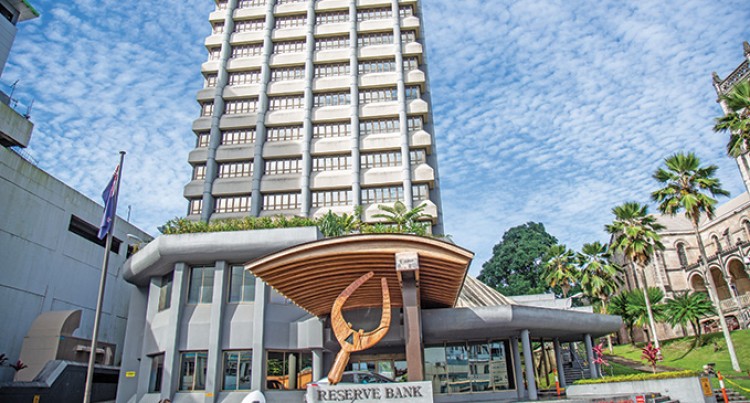
The prevailing El Niño-induced drought is expected to push up locally grown food prices, keep inflation elevated and further constrain Fiji’s economic growth in 2027, says the Reserve Bank of Fiji (RBF).
In response to the worsening drought conditions, the central bank is reopening its Disaster Rehabilitation and Containment Facility with an allocation of $100 million to assist adversely affected businesses.
The facility will be available from December 1, 2026, to April 30, 2027.
RBF Governor Ariff Ali said El Niño-related dry weather was expected to have a broader impact on economic activity next year, prompting a downward revision of Fiji’s 2027 economic growth forecast from 2.5 per cent to 2 per cent.
The central bank also warned that high oil prices and drought-related disruptions to domestic food production would keep inflation elevated into the new year.
“Looking ahead, high oil prices and the impact of El Niño-related dry weather conditions, which will push up the price of locally grown food, are expected to keep inflation high into the new year,” the RBF said in a statement.
“As such, inflation is now expected to end the year above 8.0 percent, before slowing to more moderate levels later in 2027.”
The latest Fiji Bureau of Statistics data showed headline inflation had reached 9 per cent, the highest rate since June 2011, largely driven by fuel, food and kava prices.
Meanwhile, the RBF Board today agreed to maintain the Overnight Policy Rate at 0.25 per cent.
Mr Ali said although inflation was uncomfortably high, it was being driven by higher import prices and weather-related supply disruptions, which an increase in the policy rate would not directly address.
Maintaining the current rate would avoid placing additional pressure on households, businesses and investment activity through higher borrowing costs.
Despite the challenging economic environment, Fiji’s growth forecast for 2026 has been revised upwards to 1.8 per cent from 1.5 per cent, supported by stronger-than-expected tourism performance and sustained activity in most sectors, except those affected by El Niño.
Foreign reserves stood at approximately $4.4 billion as of November 26, sufficient to cover 5.5 months of retained imports.
The RBF said it would continue to closely monitor domestic and global developments and take action if required to maintain price stability and safeguard foreign reserves.