The Fijian Competition and Consumer Commission (FCCC) has confirmed it is assessing a new submission from Energy Fiji Limited (EFL) requesting a further increase to the electricity fuel surcharge, less than six months after the current rate was introduced.
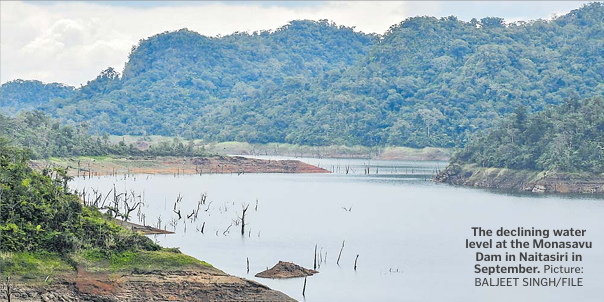
The application comes as dropping water levels in hydro dams and dry conditions in the Western Division force the power utility to burn more imported fuel.
“Water levels in hydro dams have been falling, with dry conditions already being felt in the Western Division and forecasts pointing to a super El Niño,” the FCCC said yesterday.
“When dam levels drop, less electricity comes from hydro and more fuel has to be burned to meet demand.
“As a result, Energy Fiji Limited (EFL) has recently made a new submission to FCCC asking for a further increase to the fuel surcharge.”
The regulator confirmed it was now assessing EFL’s submission.
In the meantime, the current interim surcharge rate of 5.91 cents/kWh remains unchanged.
Yesterday, the FCCC confirmed its decision to defer the proposed electricity tariff until March 31, 2027.
The independent regulator noted that higher electricity costs affected the budget of every household and business in Fiji, particularly as global fuel prices remained unstable due to ongoing geopolitical tensions.
“FCCC did not want consumers and businesses to carry the cost of the new tariff and the fuel surcharge at the same time, as applying both together would have been too heavy a burden during this period.”
While the main tariff is deferred, the immediate focus shifts to December 2026, when the current interim surcharge is set to expire.
The FCCC is also conducting a reconciliation exercise for the April–August period to verify actual fuel costs and determine “whether there has been any over-recovery or under-recovery for that period”.
With EFL pushing for higher rates, the FCCC is urging immediate conservation.
“With electricity demand remaining steady, FCCC urges all Fijians to use electricity sparingly, since every unit saved reduces the amount of fuel that has to be burned to generate power.”
According to the commission, as fuel prices kept moving in April, May, June, July and August this year, it had kept the surcharge in place after considering those fuel costs and the effect of weather on hydroelectric generation.