So drug offences are high on the agenda now. For those who understand the frightening realities of drug addiction, this is a necessary and overdue step.
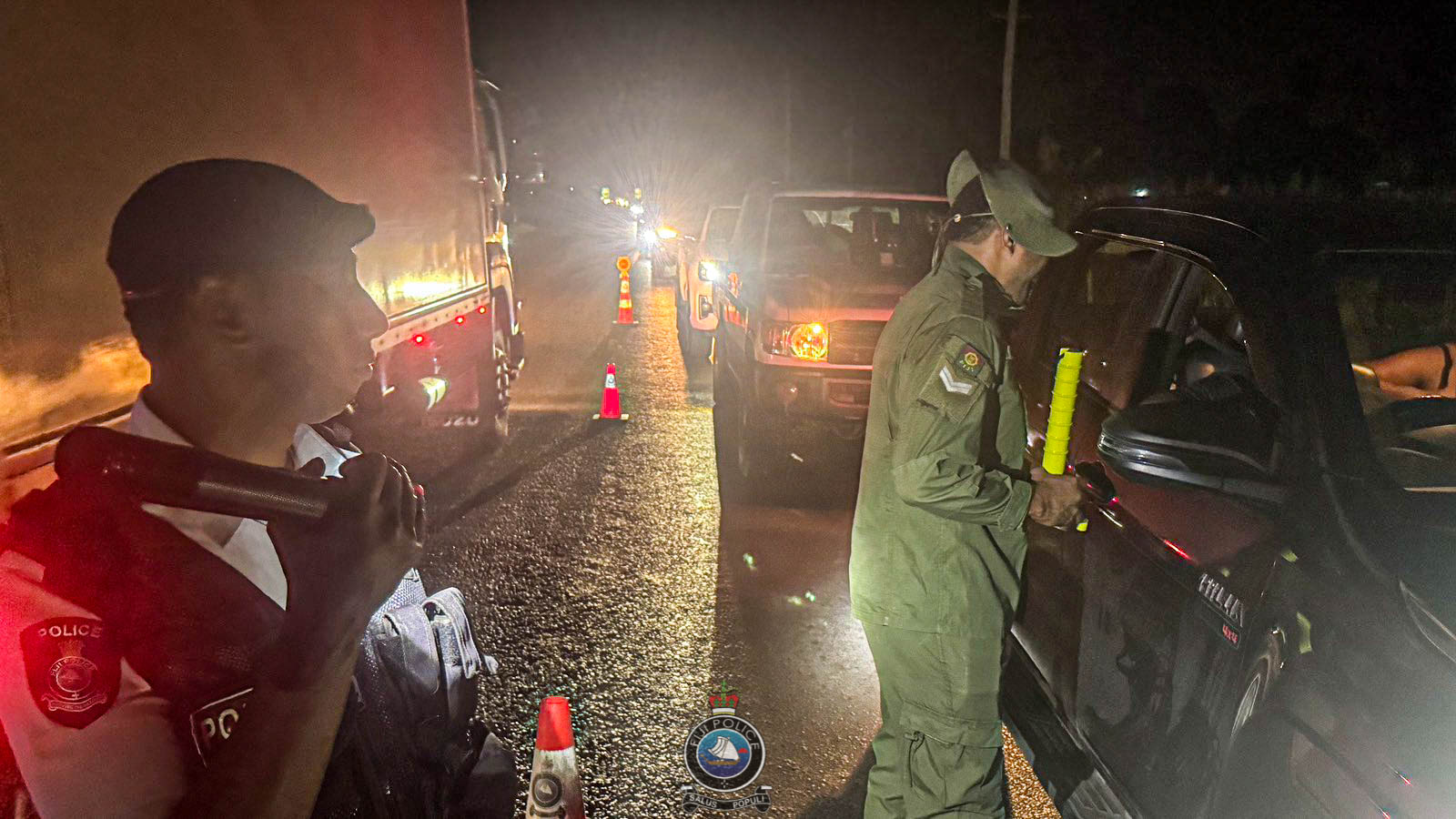
We have a clear message. Drug offenders are being put on notice as the Fiji Police Force, backed by the Republic of Fiji Military Forces, intensifies a sweeping nationwide crackdown targeting organised drug networks.
This will no doubt inch out strong public reaction, much of it positive.
With authorities confirming an escalation of joint operations, including snap checkpoints, search exercises and increased deployments across the country, the national mood should begin to shift toward cautious hope.
There is an expectation that something meaningful is finally being done, that perhaps there is light ahead in what has been a troubling period.
We know this move comes in the wake of a high-level agreement earlier this year between Police Commissioner Rusiate Tudravu and RFMF Commander Jone Kalouniwai to strengthen cooperation in confronting the growing drug threat.
At the same time, the rising number of HIV cases, many linked to drug use and the sharing of needles, exposes our rate of addiction. It is here, embedded within our communities, affecting lives and families.
Police have already warned us to prepare for an increase in joint drug operations involving both security forces. The aim, they say, is on breaking up and weakening criminal networks tied to the illicit drug trade.
They have also indicated these operations will be reinforced by dedicated investigative teams, ensuring reports are handled promptly and all legal processes are followed carefully and correctly.
According to authorities, the operations are also a response to mounting external pressures shaping the drug trade, suggesting that Fiji is not immune to wider regional and global influences.
Public cooperation is important.
We are being urged to comply with security personnel and to report suspicious activities through the toll-free line. Without this partnership, even the most robust operations will struggle.
Still, given the complexity of frontline enforcement, questions will inevitably arise about resourcing.
If this campaign is to endure, the specialised police units must be adequately supported over the long haul.
Because this cannot be just a show of force. It must be part of a sustained, strategic effort that tackles supply, and demand, addressing the social and health dimensions of addiction alongside enforcement.
The crackdown signals intent which is encouraging. We need that. We now also need consistency, coordination, and commitment.