
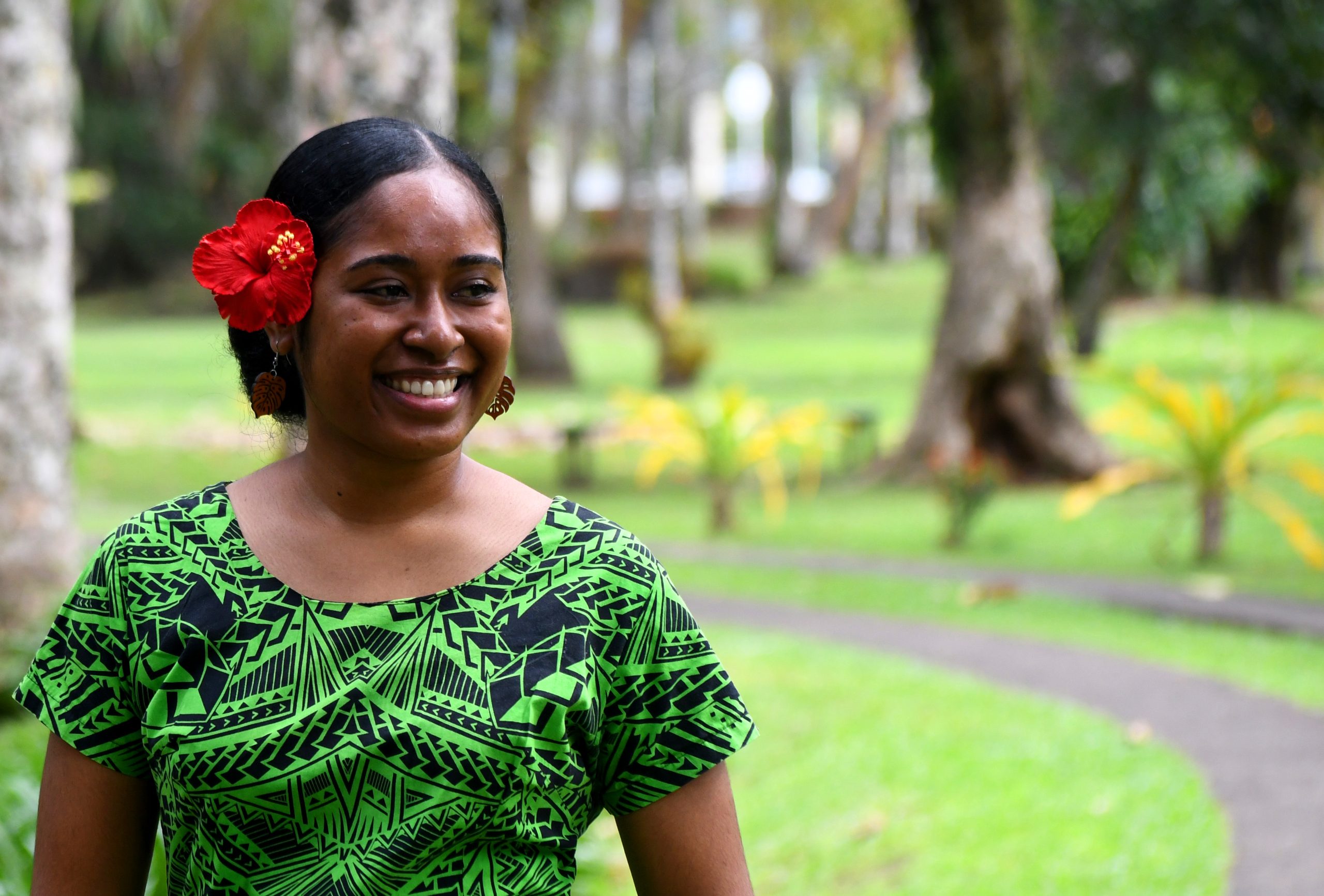
Sometimes we need a reality check to reflect on issues we take for granted. That’s what Potaisia Rokowailoa pointed out yesterday.
She believes raising a child is a responsibility shared by families, schools, churches and the wider community.
The 21-year-old Hibiscus Festival contestant is using the pageant platform to advocate for stronger support systems for children and young people.
Her message is guided by the proverb, “It takes a village to raise a child”, which she says reflects the influence of the people surrounding children as they grow.
It is a topic that is quite important right now because it cuts through every imaginary demarcation line.
Think about it. There are challenges we face as a nation and the aspiring festival queen makes some strong points.
They are important and make a lot of sense. In fact, we face some staggering challenges that will test the very foundation of families. That is, if they aren’t already doing that now.
When we consider challenges ranging from drug addiction and the rise in criminal activity to the pushing of hard drugs and the shocking rise in HIV infections, we realise just how involved our young people are.
So, as Ms Rokowailoa notes, parents, teachers, pastors, mentors and friends all contribute to shaping a child’s values, choices and future.
Society, she says, must also consider the role it plays when young people face difficulties rather than simply judging them for their mistakes.
She says we tend to celebrate children when they succeed but judge them when they take the wrong path, forgetting that children do not grow up in isolation.
It is good that she is calling for greater guidance, encouragement and understanding to help young people navigate challenges and make positive choices.
This is where, she believes, strong support networks can also help address issues affecting young people, including what we just highlighted earlier, from drug abuse to HIV and AIDS.
The challenge here is for parents and guardians to take the lead. That means being engaged. It means appreciating the needs of our children. It means listening and providing guidance.
But we all have to be there, with our children. We all need to provide that vital base that will nurture them into responsible adults. We must be part of the solution in their lives, constantly guiding them through their little challenges.
In the end, it is about placing value on relationships, on the important role of parents and guardians, and being present. Strong families remain the first line of support for children. Surely we all want better outcomes for our young people and we must start at home. We must strengthen family values and ensure our children know they are supported, guided and loved always.

