
The revelation that three of our maritime islands are set to get 24-hour electricity under a $2.5million project backed by the United Arab Emirates and New Zealand is cause for celebration.
It’s the best news in a very long time. In fact, this is going to be met with enthusiasm, and great joy.
It’s the way to go! And it has been a long time coming!
The LAKARO (Lakeba, Kadavu, and Rotuma) Rural Government Station Project, first launched in 2015 with solar systems to supplement diesel, ran into technical failures in 2019 and has since relied on costly generators. We learn that the Government spends about $200,000 annually per site on fuel, while residents face a restricted supply of just 12 hours a day.
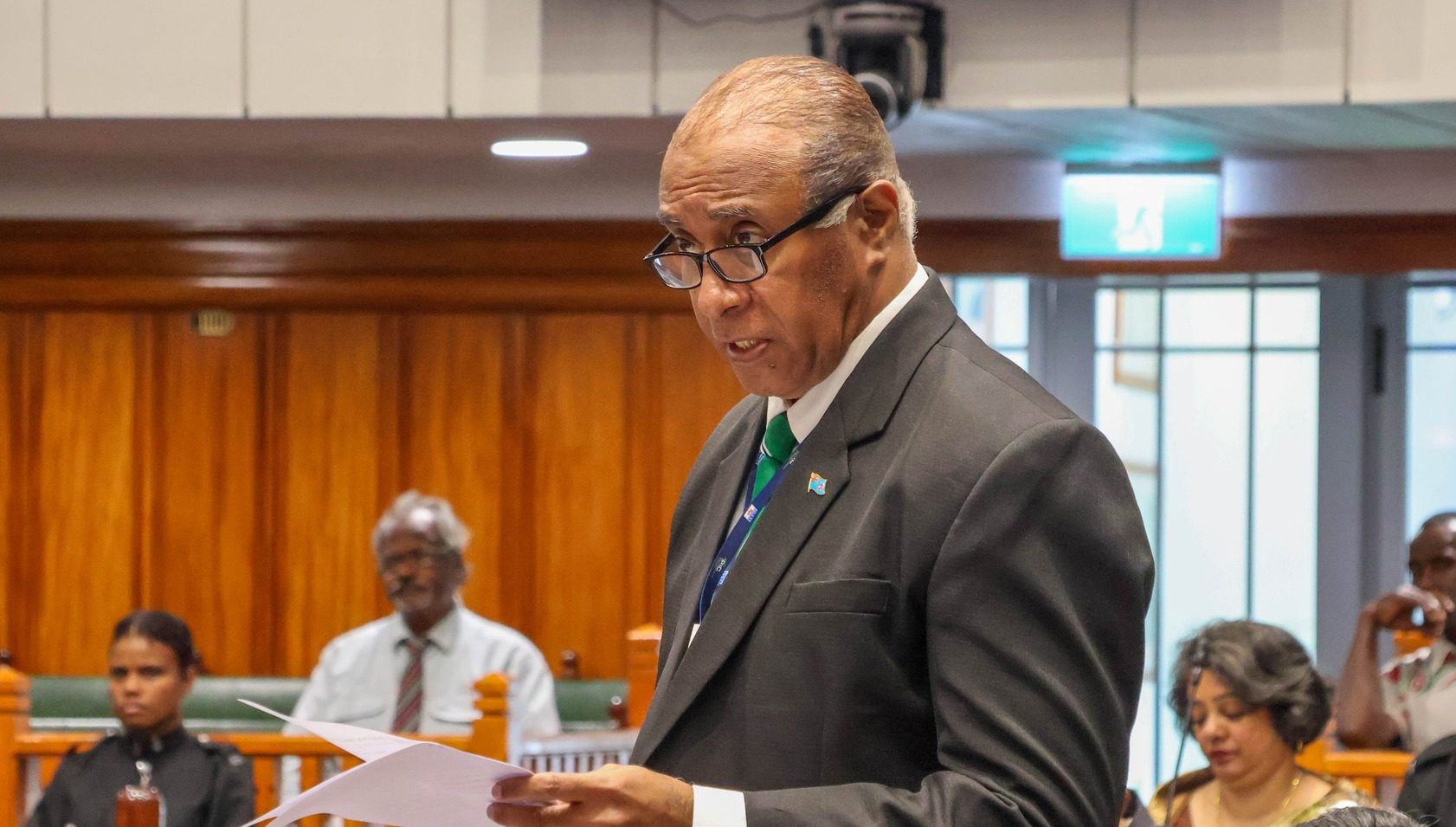
Public Works Minister Ro Filipe Tuisawau told Parliament the new agreement, signed at COP28 in Dubai, would upgrade the systems with Battery Energy Storage Systems (BESS) to allow smooth integration of solar and diesel and stabilise the grid.
Once complete in April 2026, the project will cut government fuel costs by 45-50 per cent and bring reliable, clean energy to about 10,000 people.
Ro Filipe said upgrades were vital for communities that host hospitals, schools, government facilities, and wharves.
The completion of the projects, he said, would provide 24-hour uninterrupted electricity supply and significantly reduce dependence on fossil fuel or diesel.
Continuous electricity, he added, would allow Vunisea, Lakeba, and Rotuma to grow into economic hubs, with reliable power to support small businesses, homestays, and public services.
This development is about transformation.
For decades, our outer islands have struggled with intermittent power, a heavy reliance on diesel, and the limitations that come with an unreliable energy supply.
On Rotuma, for instance, residents have had to ration power, living with restrictions that most urban dwellers would find unthinkable. Without reliable electricity, medical facilities are constrained, refrigeration for vital medicines is difficult, and emergency care becomes a matter of uncertainty. Students have missed out on the opportunities that stable power and internet connectivity offer.
Let’s face it, electricity is a backbone of development. It enables empowerment at the household, community, and national levels. With reliable power, children can study after dark, families can store food safely, health centres can run essential equipment, and small businesses can flourish. The economic opportunities are endless. Islands that were once held back by energy limitations can now attract new investment, grow local industries, and build livelihoods around tourism, agriculture, and innovation.
For homestays and eco-tourism operators in Kadavu, for instance, dependable electricity means offering visitors a better experience. For farmers on Lakeba, it means being able to process, preserve, and market produce with confidence. For Rotuma, it represents a chance to break free from decades of isolation caused by inadequate infrastructure.
But the heart of this project is about dignity and equity. It is about ensuring that every Fijian, no matter where they live, enjoys the same basic services as those in Suva or Nadi.
As the project moves toward completion, it stands as a beacon of what can be achieved when international partners and government collaborate.
Reliable, clean, and affordable electricity will raise the standard of living for thousands of our citizens. It will connect them to the world, support their ambitions, and inspire confidence in their future.

