Prime Minister Sitiveni Rabuka has waded into the sugar industry dispute, pushing an issue that has simmered for weeks, into the national spotlight.
The intervention comes after growing pressure from former prime minister and National Farmers Union general secretary Mahendra Chaudhry, who argued that cane growers had become increasingly frustrated because their concerns with the Sugar Minister were not being adequately addressed.
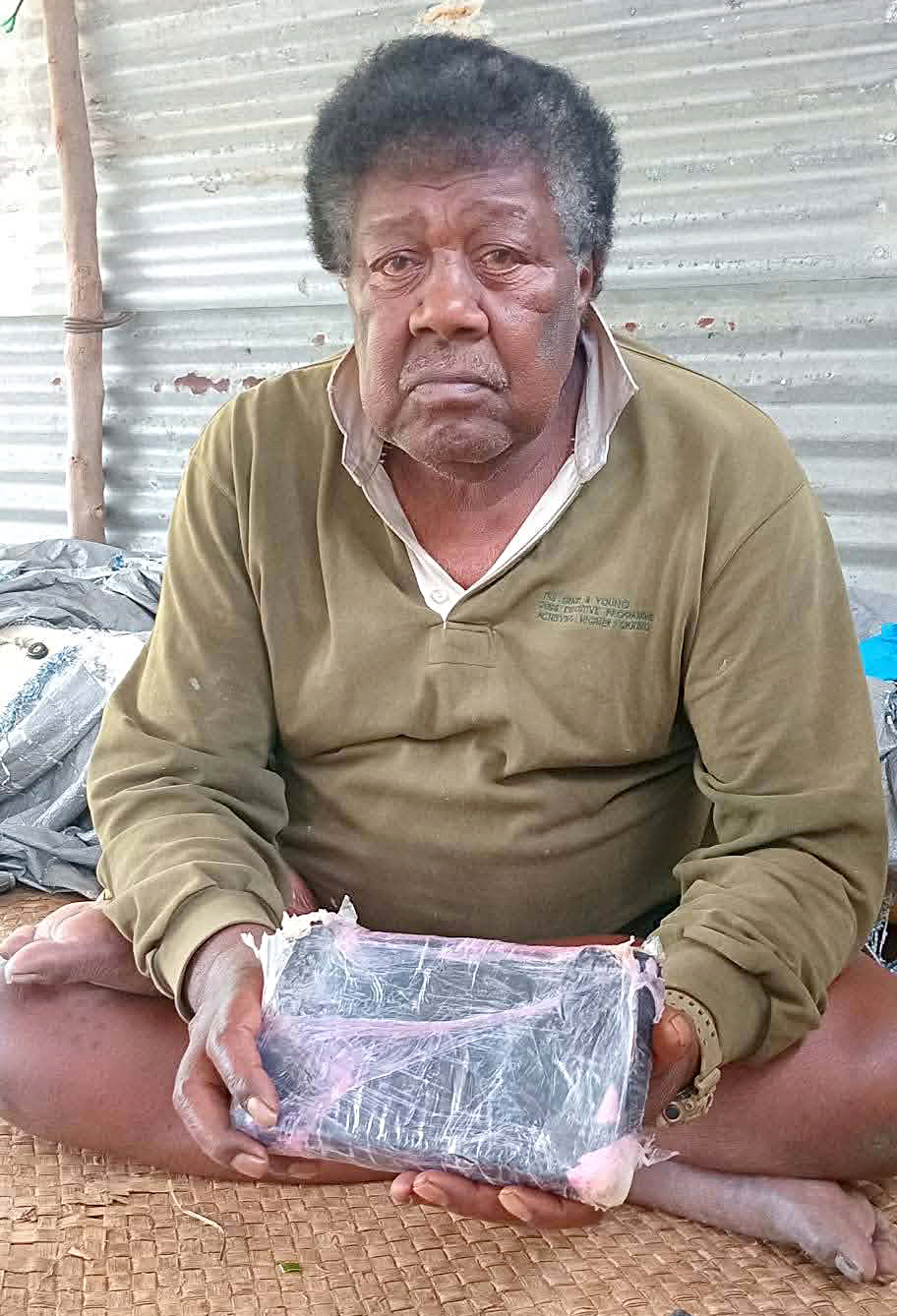
Last month, some growers in Ba resolved not to harvest their 2026 crop unless the Government and the Fiji Sugar Corporation (FSC) responded to a range of concerns, including low cane payments and rising fuel costs.
They called for the crushing season to be delayed until the issues were resolved.
Their demands focused on an increase in the delivery payment and a rise in the guaranteed minimum cane price from $85 to $110 a tonne.
The boycott of the start of the harvesting season has focused national attention on an industry that has long been an economic lifeline for thousands of Fijians.
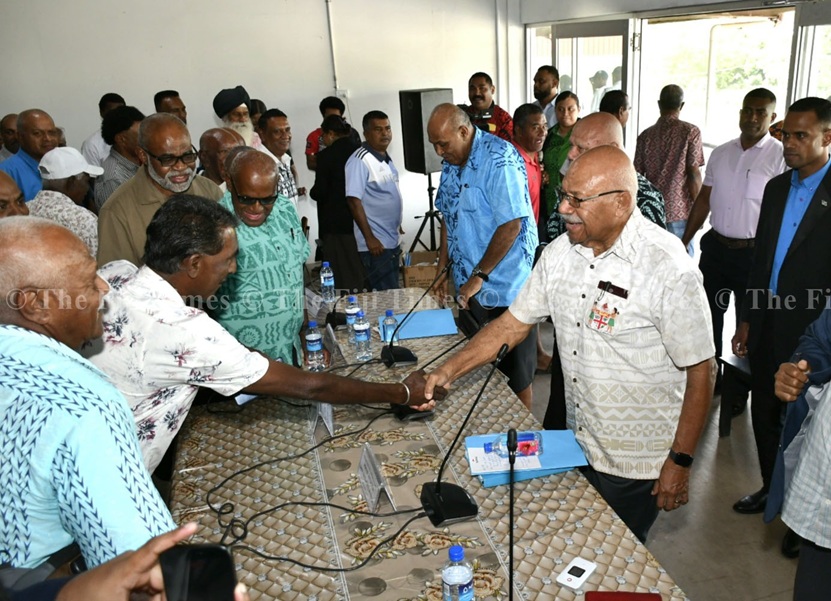
Speaking during the Parliamentary Sugar Select Committee meeting in Rakiraki yesterday, Mr Rabuka assured growers that Government would review industry operating costs and assess whether payment adjustments were justified. He urged farmers to take advantage of the favourable weather and begin harvesting while discussions continued.
The Prime Minister said the committee would carefully examine the financial information presented by growers and FSC before making any recommendations.
He emphasised that the guaranteed minimum price of $85 a tonne was intended to provide a safety net rather than represent the final return to farmers.
He assured growers that their concerns had been heard and that Government would revisit the figures in search of an outcome that benefits farmers, the industry and the nation.
Again, we say there must be a way through the current impasse. We have always maintained that communication is important.
When livelihoods are at stake, every stakeholder deserves to be heard. Differences of opinion should not be dismissed. They should be discussed respectfully and resolved through meaningful engagement.
Behind this dispute are thousands of farming families who work hard in the cane fields. Their labour sustains the mills and also businesses, communities and the wider economy.
We have to accept that their concerns deserve consideration, just as the long-term sustainability of the industry demands responsible decision-making.
We also have to appreciate that this is not a challenge that can be solved through ultimatums or entrenched positions. It requires trust, compromise and a willingness to listen.
The Prime Minister’s intervention has opened the door to constructive engagement. That opportunity should not be wasted. Genuine dialogue, transparency and goodwill, offers the best chance of rebuilding confidence, protecting livelihoods and securing the future of an important industry.
So, given the latest turn of events, we say every conversation that brings the parties closer to common ground is a step in the right direction!