
The revelation that 17 children under the age of 15 have died from HIV is cause for concern. In fact, it should create a greater sense of urgency for us to appropriately deal with our HIV figures.
This is certainly not a good scenario. It is a figure the Ministry of Health and Medical Services describes as one of the highest in the world.
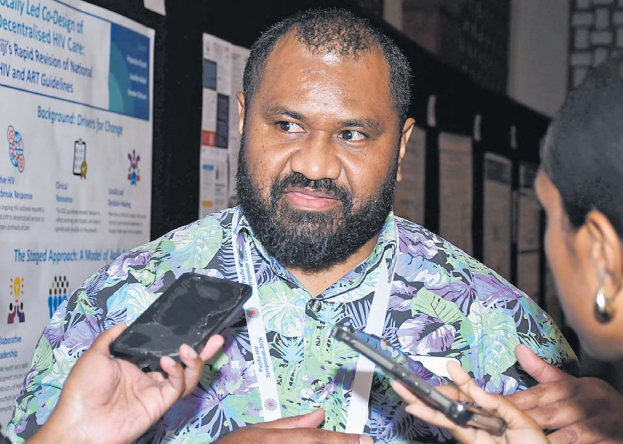
Principal Medical Officer for Sexual and Reproductive Health and HIV Unit Harm Reduction Lead Dr Sailosi Soqo said the deaths were preventable.
He spoke about this at the 43rd Fiji Head Teachers Association annual conference in Nadi. He also raised concern about the number of people presenting late for HIV treatment, saying almost one-third of those who come to health facilities have advanced HIV. Now this is another massive challenge. It means there are still people out there living with HIV and probably not knowing they are infected. Then there are parents and guardians who may not be aware they have children living with HIV.
It is a concern because we are not being upfront and coming out for tests. That should be the first thing we want done. People who are taking risks out there must be prepared to front the health system and get tested.
Dr Soqo said almost one-third of those presenting for treatment had advanced HIV, while 90 per cent of the people who died from HIV in 2025 had been diagnosed in 2016.
He said some people diagnosed with advanced HIV died in the same year they sought treatment, with some dying within a month.
The number of babies acquiring HIV from their mothers was also increasing each year, despite mother-to-child transmission being preventable.
Dr Soqo identified injecting drug use as a major driver of HIV transmission, while unsafe sexual intercourse was also a significant factor.
Again, drug use factors in the rise in our numbers.
We will not seek forgiveness for highlighting this like an old recorder on permanent replay mode. It is a concern and must get our attention. And if people want to pretend they are immune to the troubles of the world, then they can ask themselves how in the world they feel this will simply go away.
Dr Soqo said 42 per cent of people living with HIV reported injecting drug use as their route of transmission. He also demonstrated the damage caused to needles through repeated use, comparing a new needle with needles used once, twice and six times.
He said the demonstration highlighted the risks associated with repeated needle use and needle sharing among injecting drug users.
We have got to be proactive. We have got to be attentive and vigilant. We have got to be concerned and we have to be engaged. There is no other way.
HIV is not somebody else’s problem. It is a community concern that demands honesty, responsibility and action. We must confront the reality, get tested, seek treatment early and prevent further infections. Get this! Looking away will not make this challenge disappear!

