
Australian High Commissioner to Fiji, Peter Roberts made an important point the other day when he spoke on The Lens@177, the special Fiji Times Online program hosted by Anish Chand.
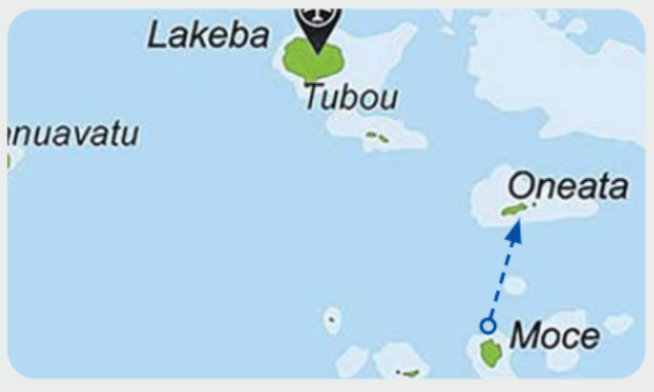
The recent rescue of six health workers from Lau waters, he said, has highlighted the importance of supporting not only health infrastructure but also the people and systems that deliver medical services.
Mr Roberts said the incident was a reminder of the dedication of health workers serving communities, particularly in remote areas. It makes sense, we say, because while there is a concerted effort to work on major challenges like the Colonial War Memorial Hospital for instance, we have got to embrace other factors in the health industry.
We need to look at it holistically. Mr Roberts said while Australia was working with the Fijian Government on supporting future health infrastructure developments, including planning work related to the redevelopment of CWM Hospital, health services depended on much more than buildings and facilities.
Again, that is what we are talking about here.
He explained that Australia had helped fund the development of a clinical services plan to assess Fiji’s healthcare needs and lay the groundwork for a long-term master plan for the hospital’s future. He said discussions on the next phase were now with the Fijian Government and Australia remained interested in playing its part.
Now that is a good sign and a positive direction to take.
He acknowledged that redeveloping CWMH would be a massive undertaking involving several development partners. Australia, he said, was committed to supporting infrastructure and also to help strengthen the wider systems that allow healthcare services to operate effectively.
Mr Roberts referred to the rescue of the Lau health workers as an inspiring outcome, saying it highlighted the value of the people working throughout Fiji’s health system, alongside investments in hospitals and other facilities. Australia, he said, was keen to support the CWMH project as discussions progressed, while recognising that a development of such scale would require the involvement of multiple partners.
In saying that, we also should look into the support factors. That must mean ensuring health officials working in our maritime areas are well equipped. This may mean we have suitable medical support vessels dedicated to serving our maritime communities. It could also mean providing frontline staff with modern lifejackets fitted with GPS tracking devices, similar to those developed in Japan following the devastating 2011 earthquake and tsunami. The technology was designed to help rescuers quickly locate people swept out to sea and could prove invaluable in Fiji’s island environment.
In saying that, we now also look to the powers that be to ensure every traveller between islands is properly prepared and adequately resourced. It is important for them, for their safety, and for the nation in terms of rescue efforts.
As Fiji plans for a modern healthcare system, we must remember that hospitals alone do not save lives. It is the people working in them, and those travelling across challenging seas to reach remote communities, who make the real difference.
We say investing in world-class facilities is important, but so too is investing in safety, transport, training and emergency preparedness. We should value those who care for our people.
To that effect, we must do everything possible to ensure they can carry out their duties safely and return home to their families.

