
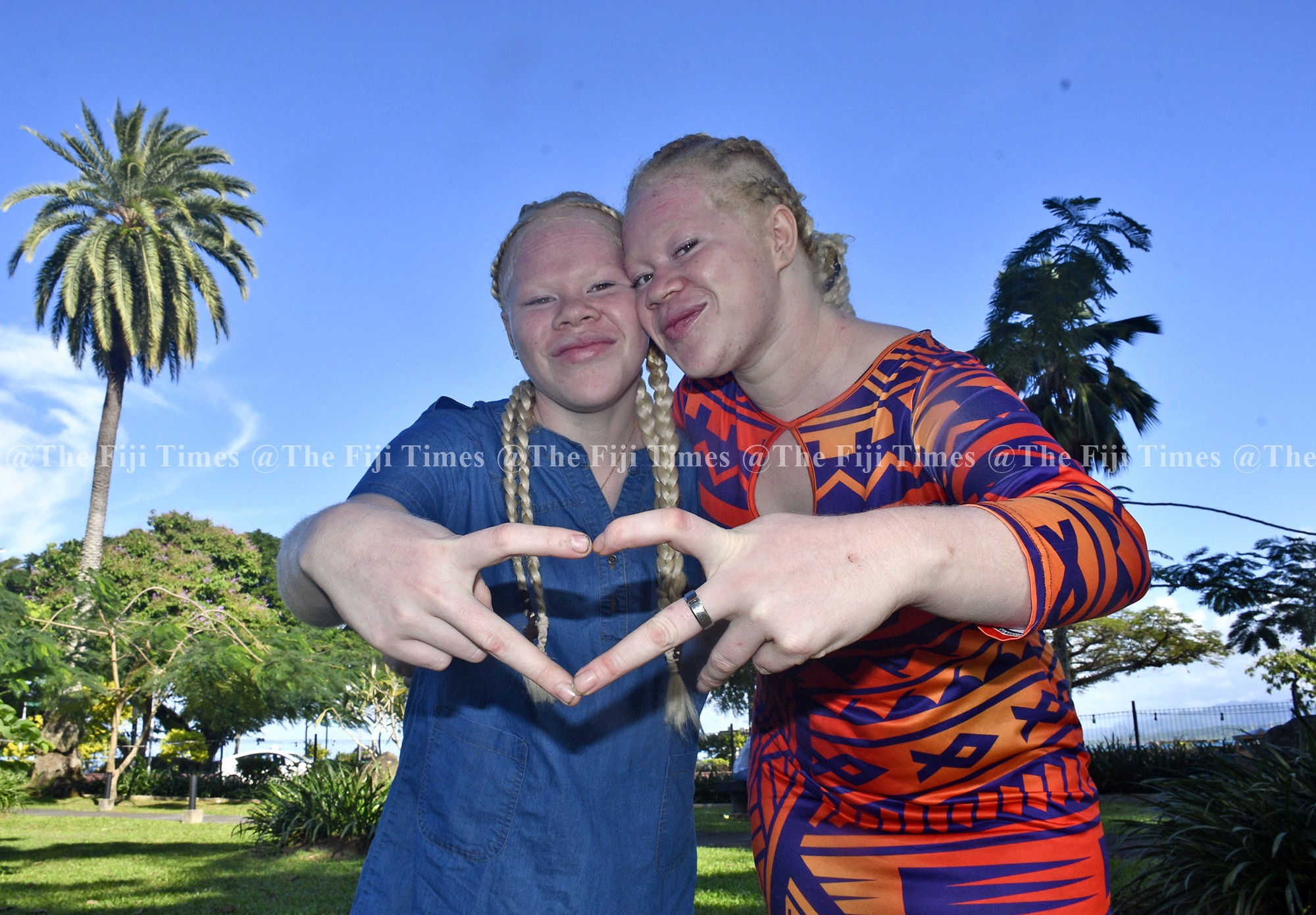
International Albinism Awareness Day is often marked with speeches, gatherings and public messages of support.
While these are important, stories emerging from Friday’s commemoration at Ratu Sukuna Park remind us that awareness alone may be inadequate.
The real challenge is building a society where people living with albinism are accepted, respected and included every day of the year.
This year’s theme, “Proudly in my skin: Celebrating all skin tones”, carries a powerful message and speaks to dignity and the right of every individual to be valued for who they are.
For people living with albinism, this is a message that resonates deeply because many continue to face misunderstanding, discrimination and social exclusion.
The words of albinism advocate Joanna Matavesi were particularly significant.
Being proud of one’s skin colour is not simply about confidence. It is about overcoming stereotypes and refusing to allow society’s misconceptions to define personal identity.
Such messages are important in Fiji, where albinism is more common than in many other parts of the world.
According to health officials, approximately one in 700 iTaukei people lives with albinism.
That statistic alone should make albinism a national issue, not a niche concern discussed only during annual observances.
It highlights the need for sustained public education, improved healthcare support and stronger advocacy at all levels.
The Ministry of Health and Medical Services has reaffirmed its commitment to strengthening support services through a more coordinated and sustainable approach. This commitment is encouraging.
However, meaningful progress will depend on how effectively policies are translated into practical support, particularly in healthcare, education and community outreach.
Perhaps the most compelling reminder of why this work matters came from 21-year-old Seini Qalulu.
Her story reflects both the progress that has been made and the challenges that remain.
Despite growing up in a loving and supportive family, she endured discrimination and name-calling during her school years simply because she looked different from her peers.
When students face ridicule because of their appearance, it points to a failure of understanding within the wider community.
It also reinforces the importance of education as a tool for change. Ms Qalulu’s call for greater awareness in schools deserves serious consideration.
Educational materials, classroom discussions and community programmes can help dispel myths and foster empathy among young people.
The lesson from Friday’s celebration is clear – people living with albinism do not seek sympathy.
They seek understanding, equal opportunities and the freedom to live without fear of discrimination
A truly inclusive Fiji will not be measured by how well we celebrate diversity on one day of the year.
It will be measured by how we treat people every day, regardless of the colour of their skin or the condition they were born with.

