
The most important lesson from the Government’s plan to establish a rehabilitation centre for vulnerable children is that intervention must begin long before a child enters the justice system.
As the story rightly points out, “the road to trouble does not begin with a crime”. It often begins with broken homes, neglect, trauma, addiction and poverty.
By the time many children come to the attention of authorities, they would have already been exposed to street life, drugs and circumstances that rob them of hope and opportunity.
This is why the proposed rehabilitation centre deserves support. It signals a welcome shift from reacting to crime to preventing it.
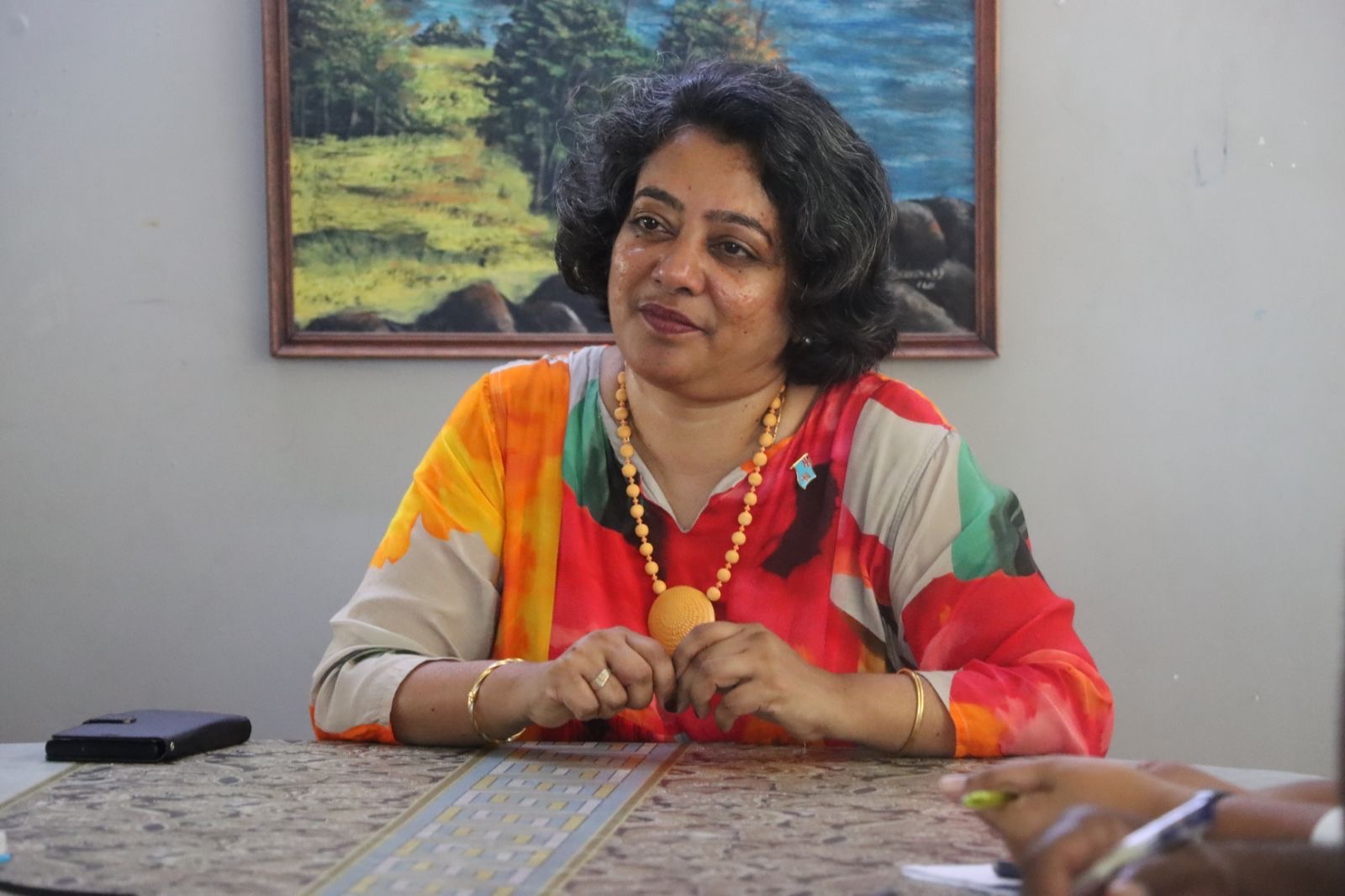
As Minister for Women, Children and Social Protection Sashi Kiran explains, “What we are building now is we are hoping children do not get in conflict with the law.”
That simple statement reflects a much-needed change in approach.
The stories behind vulnerable children are often hidden from public view. Many have experienced hardship that no child should endure. Some have grown up around drugs.
Others have suffered abuse, neglect or family breakdown. Unsurprisingly, some drift towards petty crime and substance abuse.
As Ms Kiran further acknowledges, “A lot of our children are on the streets … they generally get involved in illicit substance abuse and glue sniffing.”
These children need more than sympathy. They need structured support.
Importantly, the ministry has recognised that previous efforts did not always produce lasting results.
Children placed directly into schools or vocational programmes often struggled without proper rehabilitation.
“We realised without rehabilitation, they just fall off,” Ms Kiran admits.
Learning from experience is a strength, not a weakness, and this new centre seeks to fill that gap.
The rehabilitation process must also recognise that every child is different.
Some battle addiction. Others carry emotional scars or serious health challenges.
A one-size-fits-all solution will never work.
Counselling, healthcare, education and vocational training must go hand in hand if young lives are to be rebuilt.
Equally encouraging is the emphasis on families.
As Ms Kiran reminds us, “Every child in Fiji has a family.”
Helping parents and caregivers rebuild relationships with their children is essential if rehabilitation is to succeed.
The growing threat of drugs and HIV among young people also reinforces the urgency of this initiative.
Government cannot do this alone. Communities, schools, churches and families all have a role to play.
The proposed centre will accommodate only a small number of children initially, but its importance extends far beyond its size.
It represents hope that vulnerable children can be reached before they become another prison statistic.
“Our prisons are getting full; our children are getting addicted,” Ms Kiran warns.
Those words should challenge us all. If Fiji is serious about building safer communities, then we must first protect our children.

