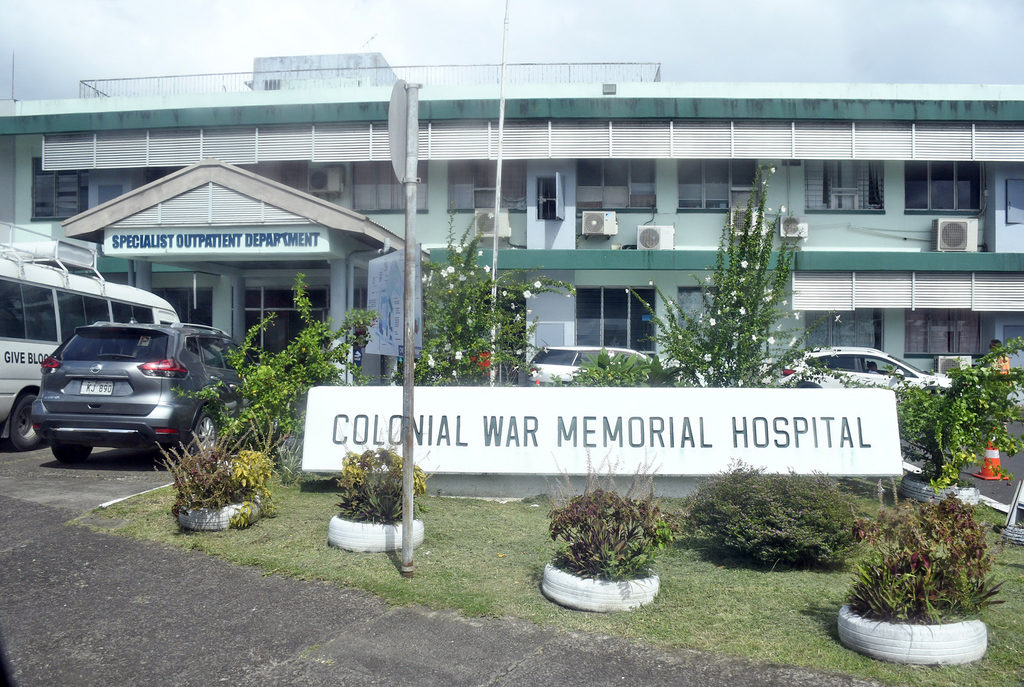
So, we are told, a new study from Lautoka Hospital has found that many breast cancer patients in Fiji are being diagnosed at an advanced stage. That is contributing to poor survival outcomes.
It makes sense. Think about it. When you present late, for whatever reason, obviously, things aren’t going to be rosy at all. The chances are quite high that you’ll face a major challenge if things have gone south, so to speak. That’s when associated challenges will creep in and cause more problems for you.
The study, led by Lautoka Hospital Surgical Registrar Dr Rahul Krishna Reddy, analysed 86 patients diagnosed with breast cancer in 2025.
The findings showed that 38.3 per cent of patients presented with Stage IV disease, with a median survival of just nine months among these cases.
Now, that is quite serious. Dr Reddy said most patients were women aged between 51 and 60, placing many within their economically productive years. He stressed that the findings highlighted the fact that breast cancer was affecting a significant part of the working population. The study also found a significant association between ethnicity and advanced-stage presentation, with 53.2 per cent of iTaukei patients presenting with Stage IV disease compared with 20.5 per cent of patients of Indian descent.
Dr Reddy said the disparity could be linked to differences in health literacy, cultural beliefs, healthcare-seeking behaviour, access to diagnostic services and socioeconomic circumstances.
Now this is where we need to be aware of why it is important that we are vigilant when it comes to testing, and receptive to a cancer diagnosis.
Delayed presentation was another concern, with nearly one-third of patients reporting symptoms for more than 24 months before seeking medical attention. The median time from symptoms to presentation was six months. Prolonged tumour growth, he said, increased the risk of invasion, lymph-node involvement and distant spread, potentially limiting treatment options.
Geographic barriers also remained relevant, with 47.7 per cent of patients coming from rural areas.
We note that he did say further research was needed to understand the factors contributing to delayed diagnosis and ethnic disparities in breast cancer outcomes. However, what we have here are statistics that are important in the greater scheme of things.
Surely, over the years, with so much being said about breast cancer through awareness campaigns and public education, we should really be receptive and attentive to symptoms. Sometimes, maybe being ignorant is the wrong word, but there is fear of the unknown that can probably hinder the progression to medical assistance. And that can be quite damaging for some women when they reach the stage of no return, so to speak.
It pays to be attentive to medical advice. It pays to be attentive to developments in the body, and it pays to be proactive, seeking medical advice at the right time. Understandably, the next big question is going to be: when is the right time?
The critical element here is understanding your body and seeking medical attention if you feel there is something happening to you. Early action can make a difference. We cannot afford to allow fear, distance, uncertainty or delay to stand between women and the care they need. Breast cancer is serious, but so is the opportunity to detect it early!