
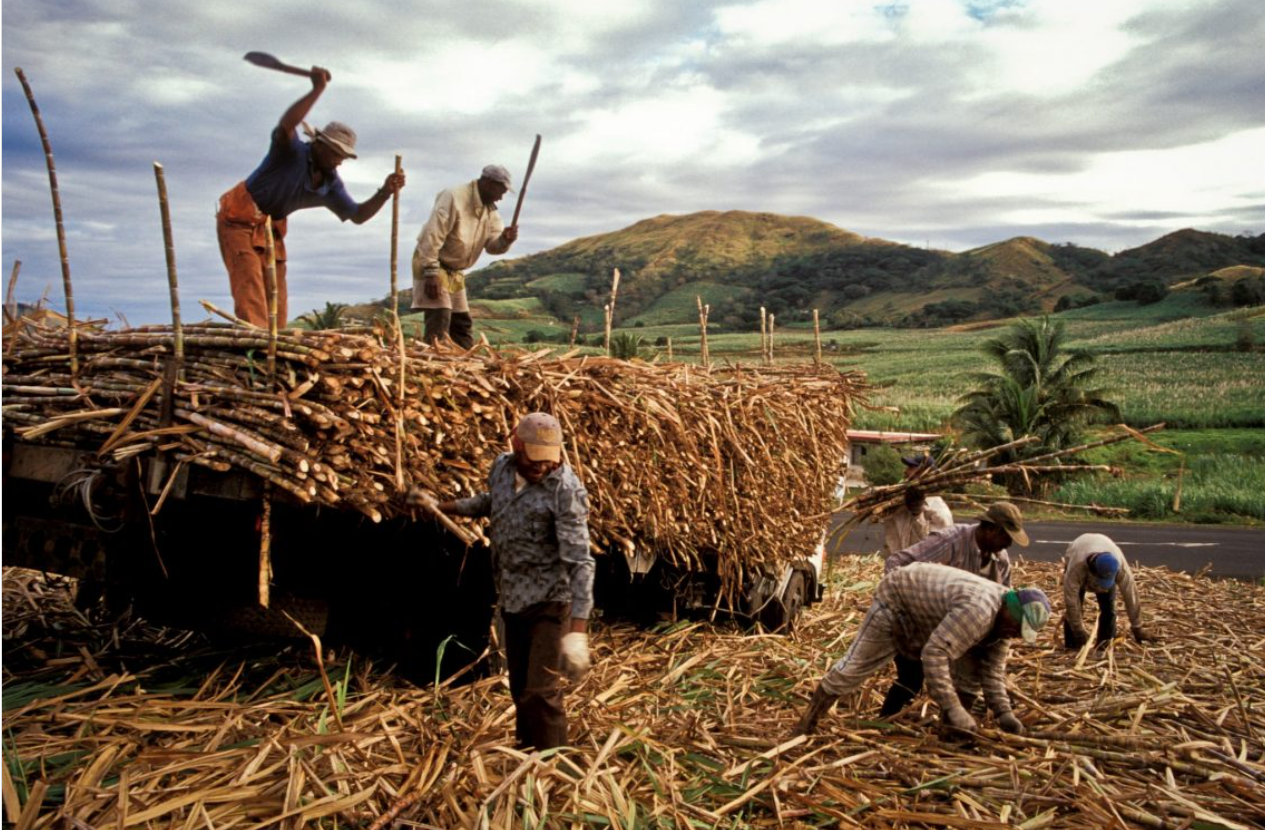
So we are looking at growing calls for a special audit of the Fiji Sugar Corporation (FSC) amid allegations of waste and mismanagement.
In the face of that, permanent secretary for Finance Shri Gounder reignited a debate at the weekend that we have avoided for far too long.
His warning that reviving the sugar industry could require billions of taxpayer dollars is a harsh reality. The funds, he argues, could be directed towards hospitals, roads and other essential public services.
He raised another uncomfortable issue, that many cane farmers have been sustained by years of false hope and unfulfilled promises.
The sugar debate took on a new dimension yesterday when Opposition MP Viam Pillay called for a special audit of FSC, alleging waste and mismanagement while questioning the value of years of taxpayer support.
Sugar Cane Growers Council chief executive officer Vimal Dutt added his perspective, suggesting that while diversification and value-adding are important, the immediate priority remains supporting farmers through the 2026 crushing season.
The views reinforce the fact that our sugar industry stands at a crossroads.
We raised this question the other day: if not sugar, then what?
Sugar was once the backbone of our economy. It helped build modern Fiji, sustained thousands of families and continues to support many rural communities. So, we say, any discussion about its future must acknowledge that reality. Walking away from the industry is not as simple as closing the doors on a struggling business.
We also have to admit that the industry’s decline did not happen overnight. Political interference, expiring land leases, ageing infrastructure, inconsistent policies, fluctuating global markets and years of underinvestment have all contributed to its present state.
We know the challenges are complex. Years of public support for FSC also raise important questions about governance, efficiency and accountability.
Whether through stronger oversight, an independent audit or improved corporate governance, taxpayers and growers are entitled to confidence that public funds are being managed wisely.
We say reform must not lose sight of the people at the heart of the industry.
Cane farmers deserve certainty, practical assistance and honest communication about the future.
So, any transition, we say, should be carefully managed to protect rural livelihoods while creating opportunities through diversification, innovation and value-added production.
Can we afford to see this debate descend into political point-scoring or become a choice between defending sugar at all costs and abandoning it?
Perhaps we should consider whether we want to preserve the industry because of its proud history, or whether we want to discard it because of its present difficulties.
Again, we say, maybe the real debate should not be about whether sugar should be saved or abandoned.
Maybe it could be about whether we have the courage to embrace the reforms, leadership and long-term vision needed to secure a sustainable future for the industry and the communities that depend on it?

