
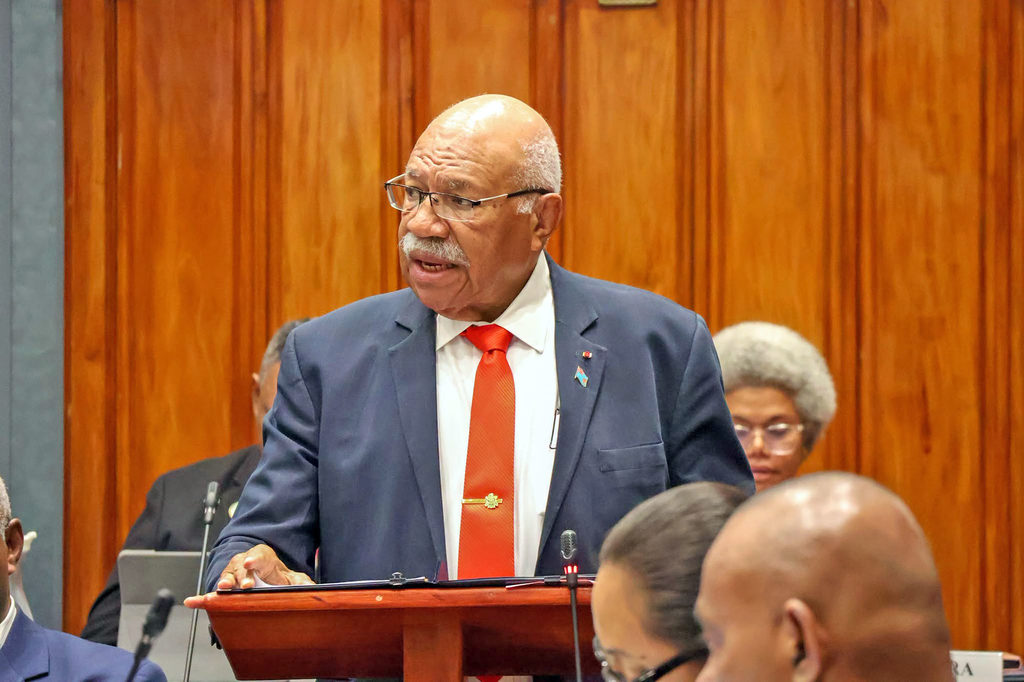
So, we need a fundamental transformation with large-scale mechanised farming and modernised production systems to reverse declining output and secure the sector’s future. Prime Minister Sitiveni Rabuka believes this is what is required in the sugar industry.
Speaking after a tour of the sugar belt, he said harvesting was progressing well and the mills were operating. However, he warned production remained below the level Fiji needed to satisfy domestic demand and honour export commitments.
To address that, Mr Rabuka said Fiji must increase production from both farmers and mills to meet local needs while maintaining its commitments to key export markets, particularly the European Union.
Now that makes sense. In saying that though, we look to the powers that be to reflect on the complexities staring the industry in the face. That embraces the farmer, stretches through transportation, and extends to the mills.
The PM stressed that Fiji must increase cane and sugar output if we are to meet domestic requirements and long-standing export obligations.
Looking beyond the current season, he believes meaningful reform would depend on mechanisation. That would involve larger farming operations, mechanised cultivation and harvesting.
He also acknowledged the challenges posed by Fiji’s land tenure system and expiring Agricultural Landlord and Tenant Act leases, noting that any lasting solution would require close collaboration between Government, the iTaukei Land Trust Board and industry stakeholders.
This is where we cut to the chase. Regular letter writer Bharat Morris recently argued that reviving the industry comes down to a straightforward business principle: grow more, produce more and sell more. He pointed out that the land available for cane farming has been shrinking, the number of growers has fallen over the past decade, and the profitability of farming has declined. Now unless these underlying issues are addressed, he questioned how production could realistically increase. He also noted that without more sugarcane, higher sugar production is impossible, and without greater production, expanding sales remains unrealistic. Now that should make sense as well.
Mr Rabuka also highlighted concerns about ageing mill infrastructure, saying years of underinvestment had reduced efficiency and that some equipment had become so outdated replacement parts were no longer available.
In the face of all that, he believes that modernising the industry remains achievable. That is the conversation we now face.
Whether the sugar industry has reached the point where continued investment is no longer justified, or whether it can recover through reform, innovation and sustained commitment, they are perspectives we need to be talking about. They stem from concern for our future.
So, we say, the challenge is to move beyond emotion and ideology.
We have said this before. Decisions about sugar should be guided by evidence, sound economics, the welfare of farming communities and our long-term national interest.
We can talk about transformation, restructuring or reshaping the industry. And we can also consider whether the path forward should be built on realism, careful planning and a shared determination to make the best choices for us all.

