
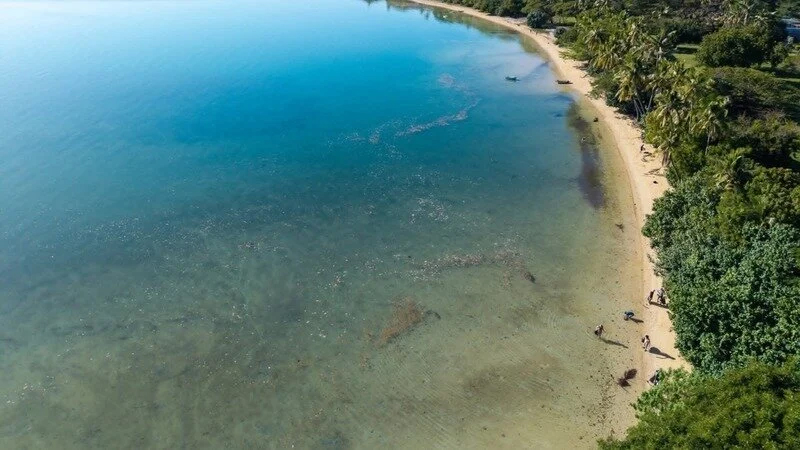
There can be no doubt that the proposed Vuda Waste-to-Energy power plant project attracted a lot of attention. It makes sense then that the rejection of the project would generate strong reactions around the country.
So, in light of yesterday’s announcement, national attention will no doubt shift to the issue of sustainable waste management and the strategies Fiji should embrace moving forward.
Surely, there will now be growing consensus on the need for a long-term solution that effectively manages our waste while also exploring practical and environmentally responsible alternative energy options.
It is encouraging to know that community groups and environmental advocates have welcomed Government’s decision to reject the project. At the same time, they have rightly pointed out that we must now focus on addressing our growing waste challenges. Now that is an important issue to consider.
Protect the Heritage Coast Committee chairman Paul Forrest said one positive outcome of the debate was the rise in public awareness surrounding waste management issues. While welcoming the decision, he noted that one of the greatest benefits of the discussion was that it sparked a national conversation about proper waste management, which remains a major concern for Fiji.
Although waste-to-energy technology has advantages in certain circumstances, Mr Forrest maintained that the proposed Vuda development was not suitable because of its scale and location. Fiji, he said, needs effective waste management systems and that there are alternative technologies capable of delivering positive outcomes.
Lautoka Residents and Ratepayers Association president Narayan Reddy described the decision as a win for ordinary citizens.
Taukei Wadigi of Lauwaki Village, Apimeleki Nasalo, said the outcome would help protect future generations and expressed gratitude to Government and the Ministry of Environment for listening to community concerns.
So now that this matter has been dealt with, we say attention must turn to identifying strategies that will deliver strong results. As we do so, consideration should be given to alternative energy sources that may be linked to improved waste management practices.
Perhaps the time has come to place greater emphasis on solar energy development, an option that offers a lot of potential for Fiji as it seeks to diversify its energy mix and reduce dependence on traditional sources.
It is clear that many factors must be considered, from waste disposal and recycling to resource recovery and renewable energy generation. And perhaps the biggest lesson from this debate is that engagement matters. There was consultation, there was a willingness to listen, and there was an effort to understand differing views before a decision was made.
Now the challenge is to build on that momentum. We cannot afford to allow the conversation on waste management to fade away.
We need modern landfills, stronger recycling programs, composting initiatives, better waste separation at source, and greater public awareness about reducing waste. At the same time, we must accelerate investment in renewable energy, particularly solar, while exploring other viable clean-energy options.
Let’s talk about a stronger national commitment to sustainable waste management and cleaner energy solutions. Let’s talk about innovation, environmental stewardship and long-term planning. Let’s talk about a cleaner, greener and secure future.

