
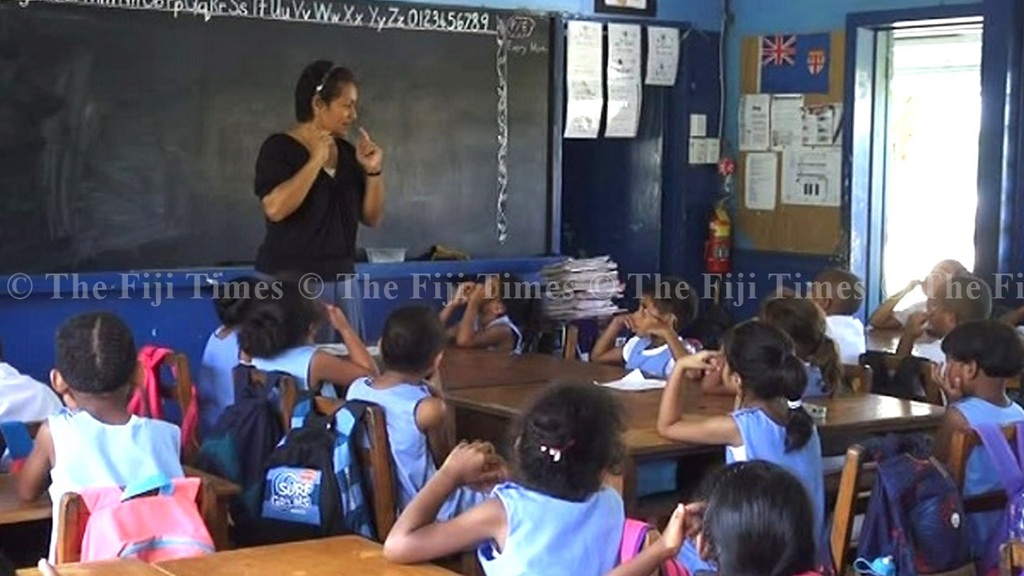
The directive for all schools in Fiji to complete curriculum coverage by the end of Term 2 is going to attract a lot of attention. Issued by the Ministry of Education, the move raises a number of questions.
So, what happens to students in Term 3 for instance? We understand the directive is linked to the global fuel crisis stemming from the conflict involving Israel, the United States and Iran, and growing tensions around the Strait of Hormuz.
Because we are still awaiting responses to questions sent to Permanent Secretary for Education Navin Raj, there are uncertainties. Will students still be required to physically attend school during Term 3?
A circular issued by Mr Raj on April 28 stated that all curriculum content should be completed by the end of Term 2 as part of fuel conservation measures and efforts to maintain teaching and learning.
Term 2 runs from May 18 to August 21, while Term 3 is scheduled from September 7 to December 4.
Again, we ask, what then is the purpose of Term 3? Will students attend school on reduced days?
Will alternative learning arrangements be introduced?
Or will the final term become a period focused, perhaps, on revision, assessment preparation and less face-to-face instruction?
We hope the ministry has carefully considered the impact such a decision could have on all stakeholders.
If implementation is already underway, attention naturally turns to teachers and students and the homefront. There are concerns that pressure levels may increase as teachers work to meet curriculum targets within a shortened timeframe.
One can imagine additional classes and extra preparation as schools work hard to comply with the directive.
School heads have also been instructed to update information on students’ home circumstances, including residential addresses and their ability to access online learning.
That is likely to prompt further questions about remote learning and the challenges it may create for families, particularly those with limited internet access or resources. We also wonder how external examinations will fit into this new arrangement.
Education Minister Aseri Radrodro referred our questions to Mr Raj. However, no response had been received by the time this edition went to press.
Once again, we are reminded of how events unfolding thousands of kilometres away can have real consequences for Fiji. We have often said that we are not immune to global crises and major international disruptions.
While frustration over the impact of conflict on our daily lives is understandable, the reality is that we must adapt to changing circumstances.
The key is to remain informed, proactive and prepared. If adjustments are necessary, they should be implemented with clear communication, careful planning and consideration for those most affected.
In the face of all this, we say that in challenging times, resilience is about enduring hardship. It is about working together to find practical solutions and ensuring that our children’s education is protected, especially in the face of global uncertainties.
There will be tough questions for the ministry and they have a duty to respond. But we also acknowledge all those who have to make this happen for the sake of our children.

