
Where the river gives food
In the remote highlands of Nubumakita, Ra, the stories shared by elders are more than memories of the past, they remain deeply woven into the lives and traditions of the people today.
Long before modern roads reached the village, before electricity and mobile phones connected the remote communities to the outside world, elders spoke of the words of Navosakadua, a revered figure whose prophecies continue to shape belief in the community.
Among those words was a simple but powerful promise about food.
“If you boil your pot of water to cook your meal, you will always find food to cook,” village elder, Sitiveni Waqa recalled of Navosavakadua’s words.
“If you go to the river to look for the i coi, you will find it before the water finishes boiling.”
For generations, people of Nubumakita have believed those words carry mana – a sacred spiritual force deeply rooted in Fijian culture.
And according to Waqa, the prophecy still reveals itself in the waters of the Naqalitabua stream.
A stream that always provides
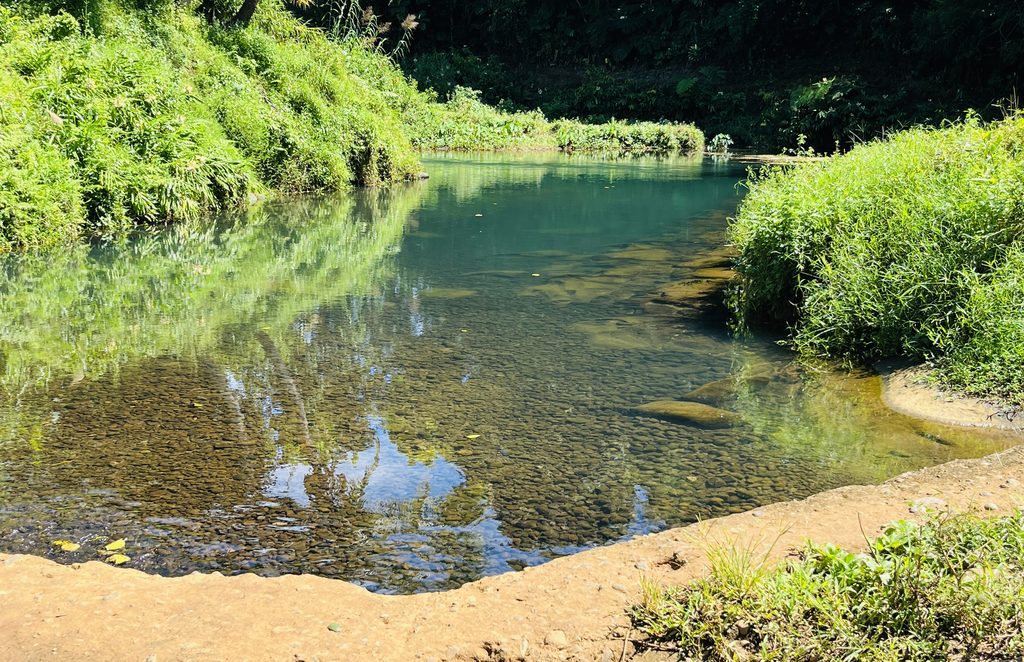
The Naqalitabua stream winds quietly through the dense interior of the village, its waters unusually cold and clear. Villagers often refer to it as waikudukudua – cold water.
For outsiders, it may seem like any other stream flowing through the Fijian countryside but for villagers, the creek is inseparable from their identity and traditional way of life.
“One thing Nubumakita has always been known for is its traditional dish, the kakana keina i coi,” Mr Waqa said.
“In our village, the i coi has always been freshwater prawns and freshwater eels. Those are the foods our stream provides.”
As a boy growing up in the village, Mr Waqa said he witnessed the prophecy come alive many times.
“I remember women placing a pot of water on the open fire and then walking down to the stream with a net,” he said.
“As soon as they placed the net into the water, they caught prawns straight away. They never had to wait long.
“By the time they returned home, the water in the pot was already boiling and there was enough food to cook.”
The memory remains vivid decades later, smoke curling from cooking fires, women laughing along the stream, and nets heavy with freshwater prawns pulled from the cold current.
Unlike many nearby villages where rivers and streams are filled with tilapia and other freshwater fish, Nubumakita’s waters were traditionally home to only two forms of i coi.
“We only knew prawns and freshwater eels in our river,” Mr Waqa said.
“Other villages down the road had different kinds of fish, but here it was only these two.”
The mystery of the cold waters
For years, villagers believed the Naqalitabua creek rejected every other kind of fish.
According to Mr Waqa, attempts were once made to introduce tilapia into the stream, but the fish never survived.
“Something strange would happen,” he said.
“The fish would die and float on the water. Back then they could not live here.”
Villagers have long associated the phenomenon with the icy temperature of the stream.
The water flowing from the surrounding hills remains cold throughout the year, even during Fiji’s warmer months.
“Maybe it was because the water was too cold,” Mr Waqa said.
” Other fish perhaps could not survive in that kind of water.”
Today, however, villagers have started noticing changes.
“Now we sometimes see other fish surviving in the stream,” he said.
“Maybe the climate has changed over the years, because before we only knew prawns and eels lived there.”
Even with those changes, the old belief surrounding the creek remains strong.
Villagers still speak of the vosayalayala, the prophecy with reverence.
“What Navosakadua said about our village had mana,” Waqa said.
For the people of Nubumakita, the stream’s endless supply of prawns and eels became proof of that sacred connection.
The disappearing stream
But the mystery of Naqalitabua does not end with the prawns.
Another story passed down through generations concerns where the stream flows.
According to Waqa, the water from Naqalitabua eventually disappears underground before re-emerging far away in Naitasiri Province.
“The elders used to call water disappearing underground the vono,” he said.
“I saw it myself when I was a young man. The water flows into the soil and disappears into the forest floor.”
What villagers describe resembles a natural phenomenon known as a disappearing stream or sinking stream, where water vanishes underground through limestone or porous rock formations before resurfacing elsewhere.
“From what we have been told, the water later comes out again near Wairuarua Village,” Waqa said.
“That water then forms part of the Wainimala River.”
The Wainimala River remains one of the major river systems in Naitasiri and was once an important transport route connecting villages deep within the province.
For Mr Waqa, those stories are not myths from the past, they are truths villagers continue to witness in their daily lives.
“As children we saw it happen with our own eyes,” he said.
“The river always provided for us.”
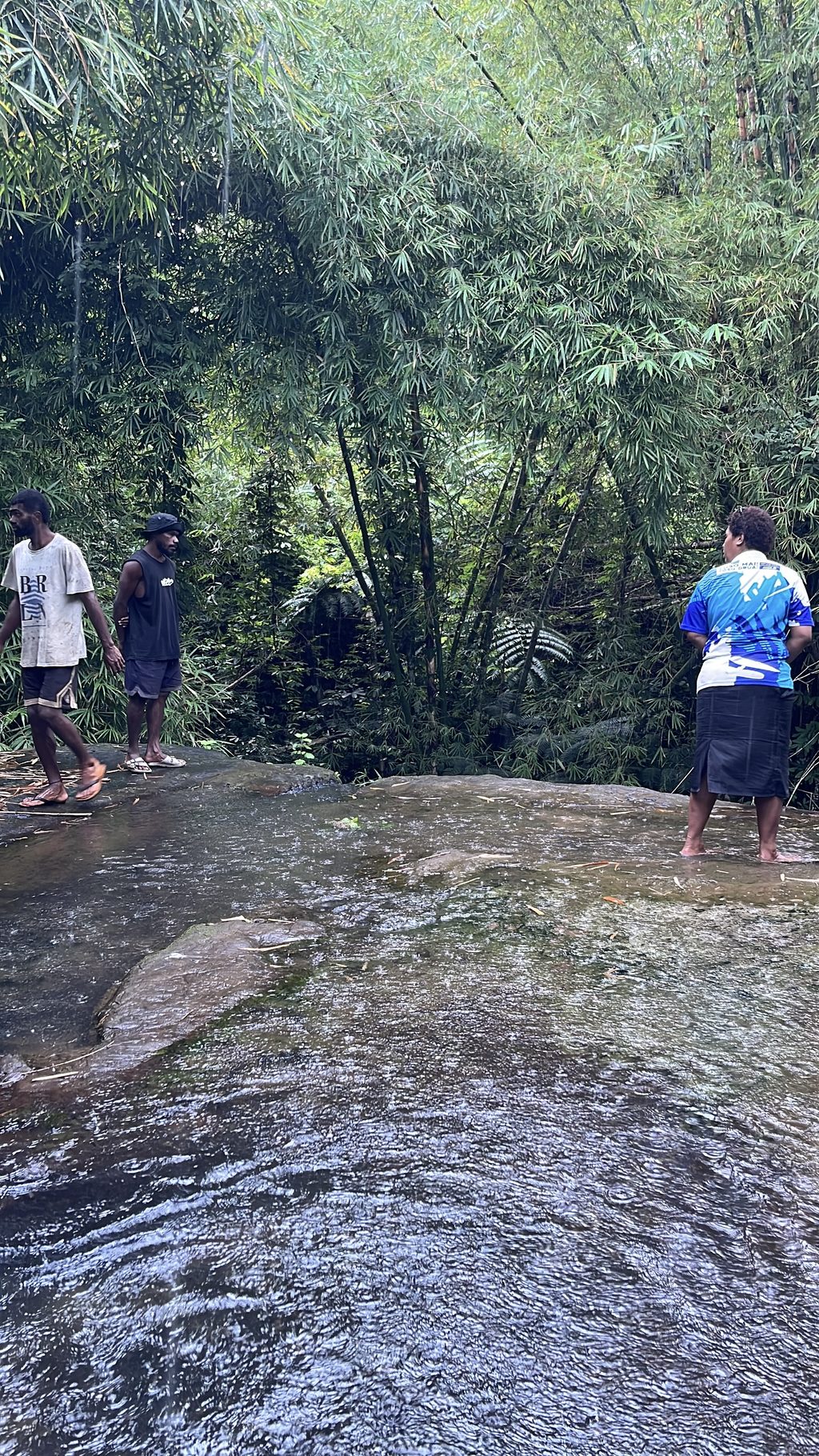
To villagers, these stories are more than geography.
They are part of an oral history carried through generations, linking mountains, rivers and provinces together through memory and belief.
Holding onto tradition
Today, life in Nubumakita is changing slowly with time.
Climate patterns are shifting, younger generations are leaving for urban centres, and modern influences continue to reach even the most remote villages.
Yet beside the Naqalitabua stream, old traditions remain.
The stream still provides prawns; freshwater eels still glide beneath the cold current and elders still tell stories of the prophecy spoken long ago.
- History being the subject it is, a group’s version of events may not be the same as that held by another group. When publishing one account, it is not our intention to cause division or to disrespect other oral traditions. Those with a different version can contact us so we can publish your account of history too — Editor.
The source of the Naqalitabua stream comes from the old reservoir that was believed to have been built by American soldiers during WW2. Picture: ANA MADIGIBULI
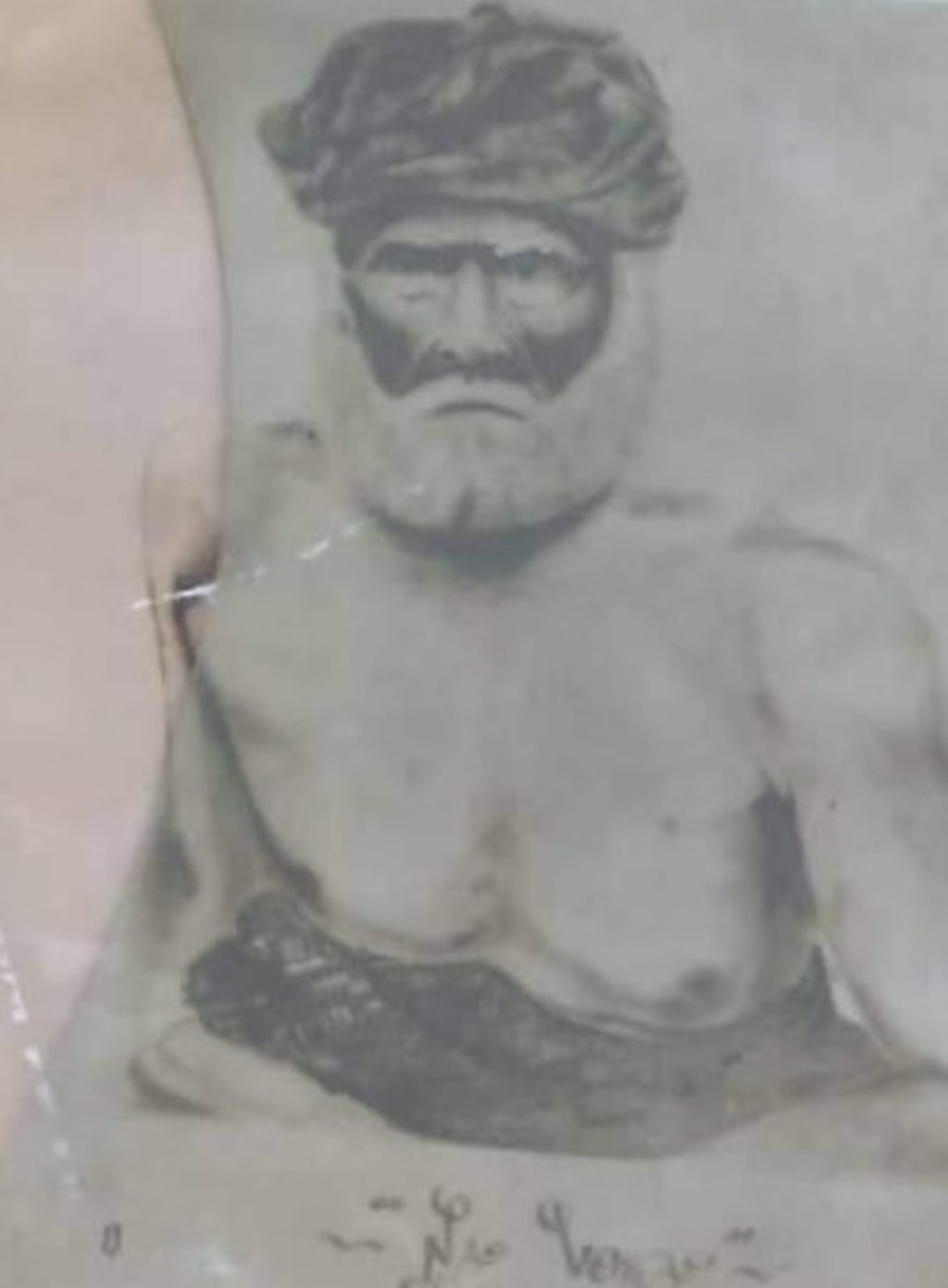
A picture of a man believed to be Navosavakadua. Picture: FILE
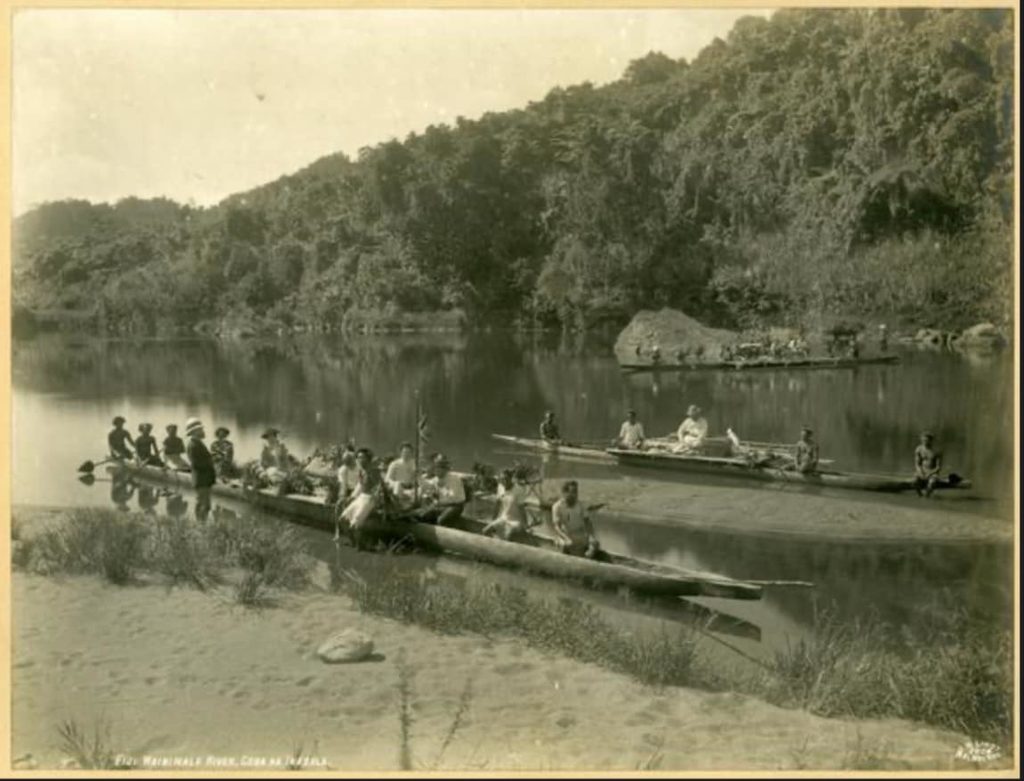
An old photo of the Wainimala River. Picture: THE BRITISH MUSEUM
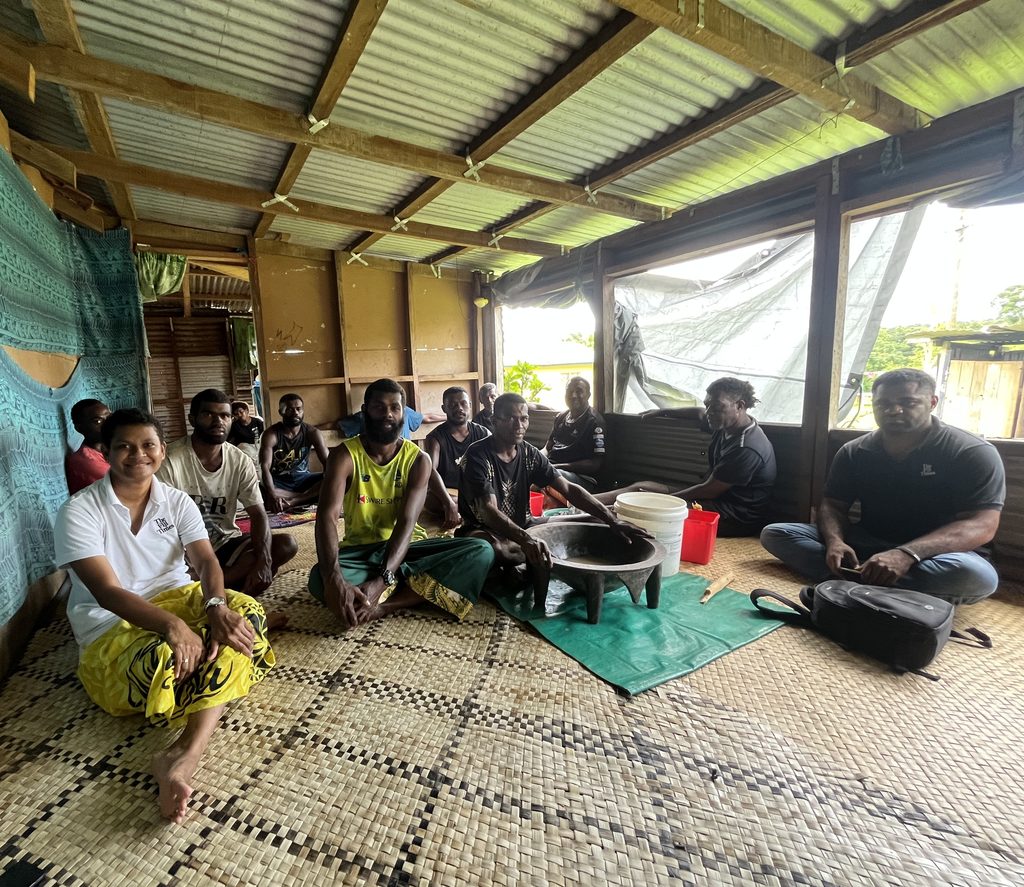
To villagers, the stories are more than geography, they are part of an oral history carried through generations, linking mountains, rivers and provinces together through memory and belief. Picture: LITIA RITOVA
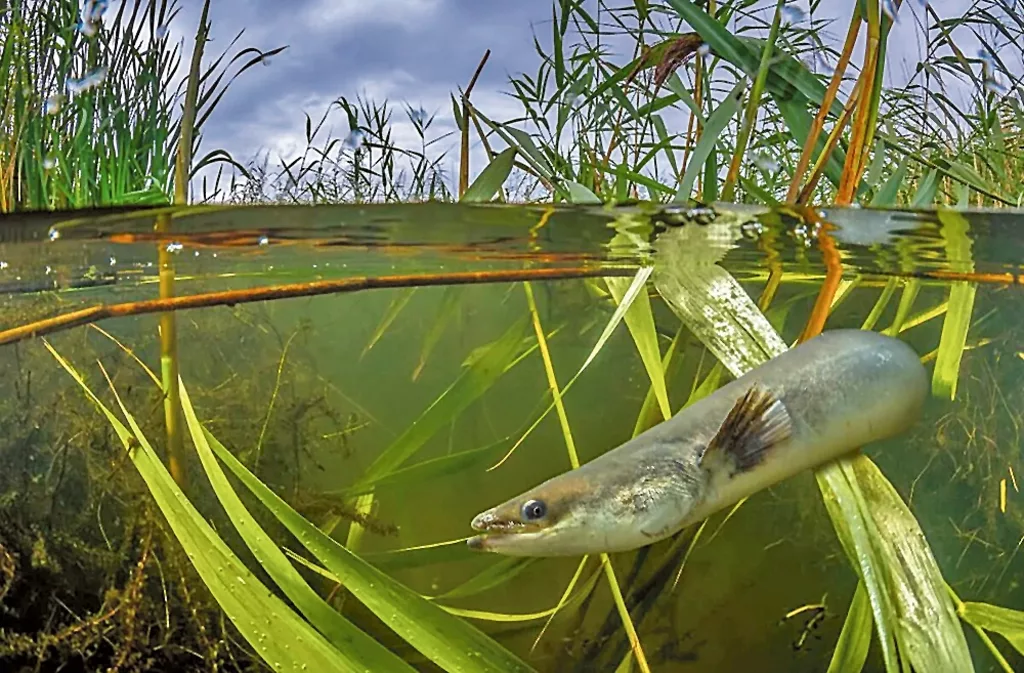
Above: A freshwater eel. Picture: World Wildlife Fund
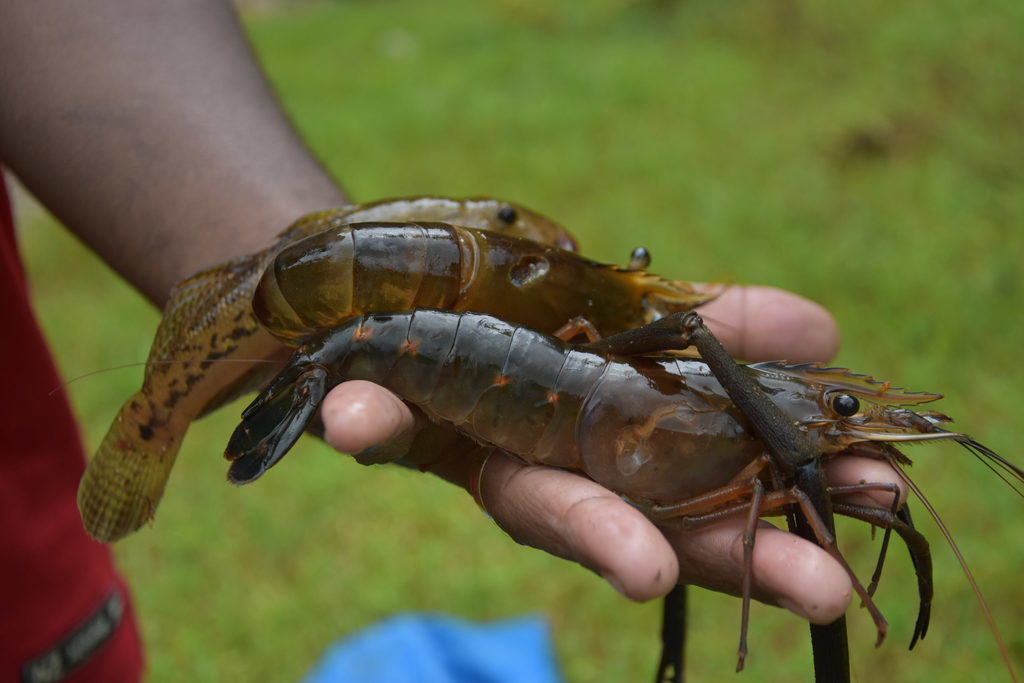
A common i coi in Nubumakita are freshwater prawns. Picture: FILE
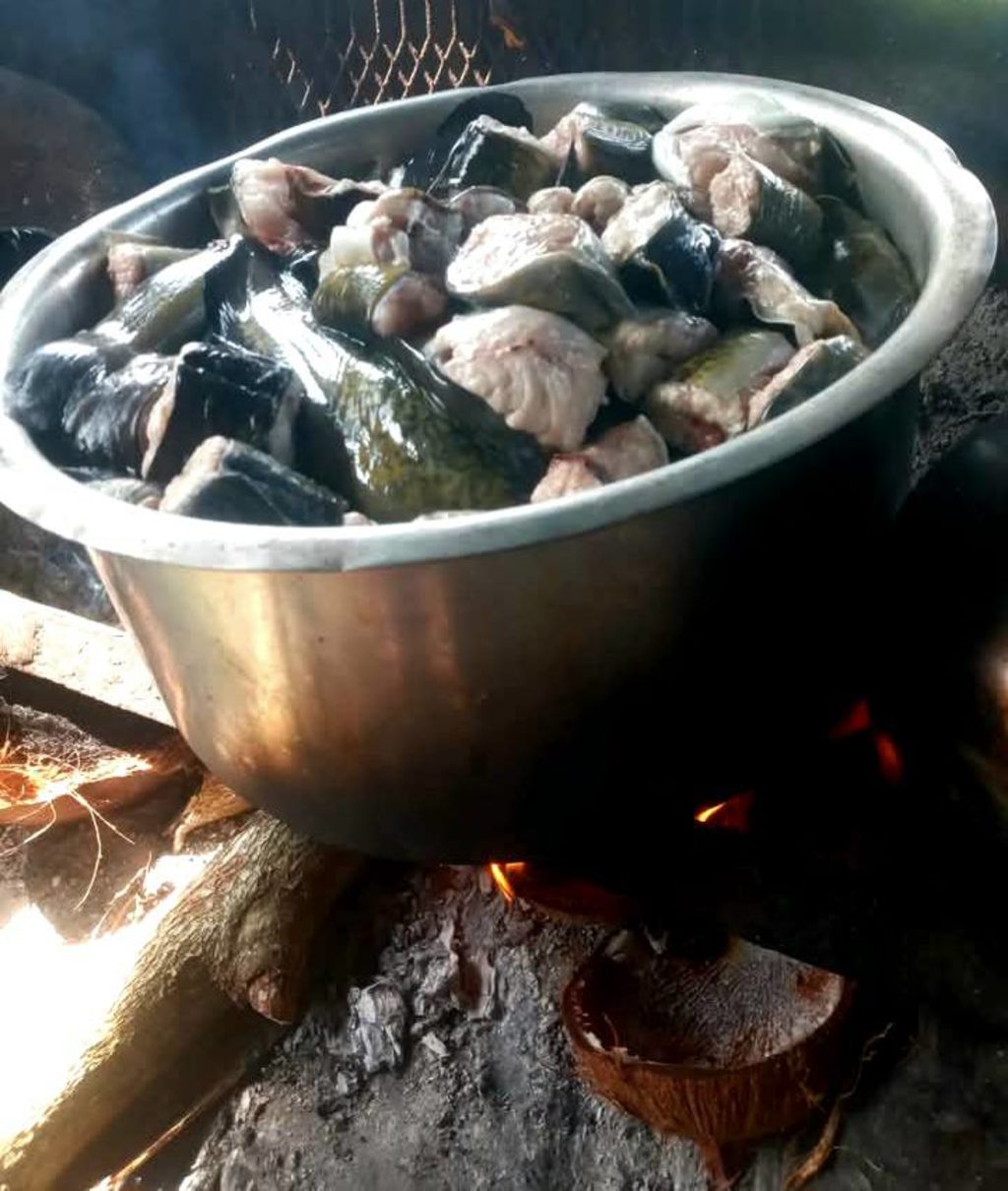
Right: Duna (freshwater eel) is considered a delicacy in villages located close to rivers and streams. Picture: KAMLESH CHAND LAL/FACEBOOK

Sitiveni Waqa shares his stories about his elders during The Sunday Times visit to Nubumakita Village in Ra last month. Picture: LITIA RITOVA

