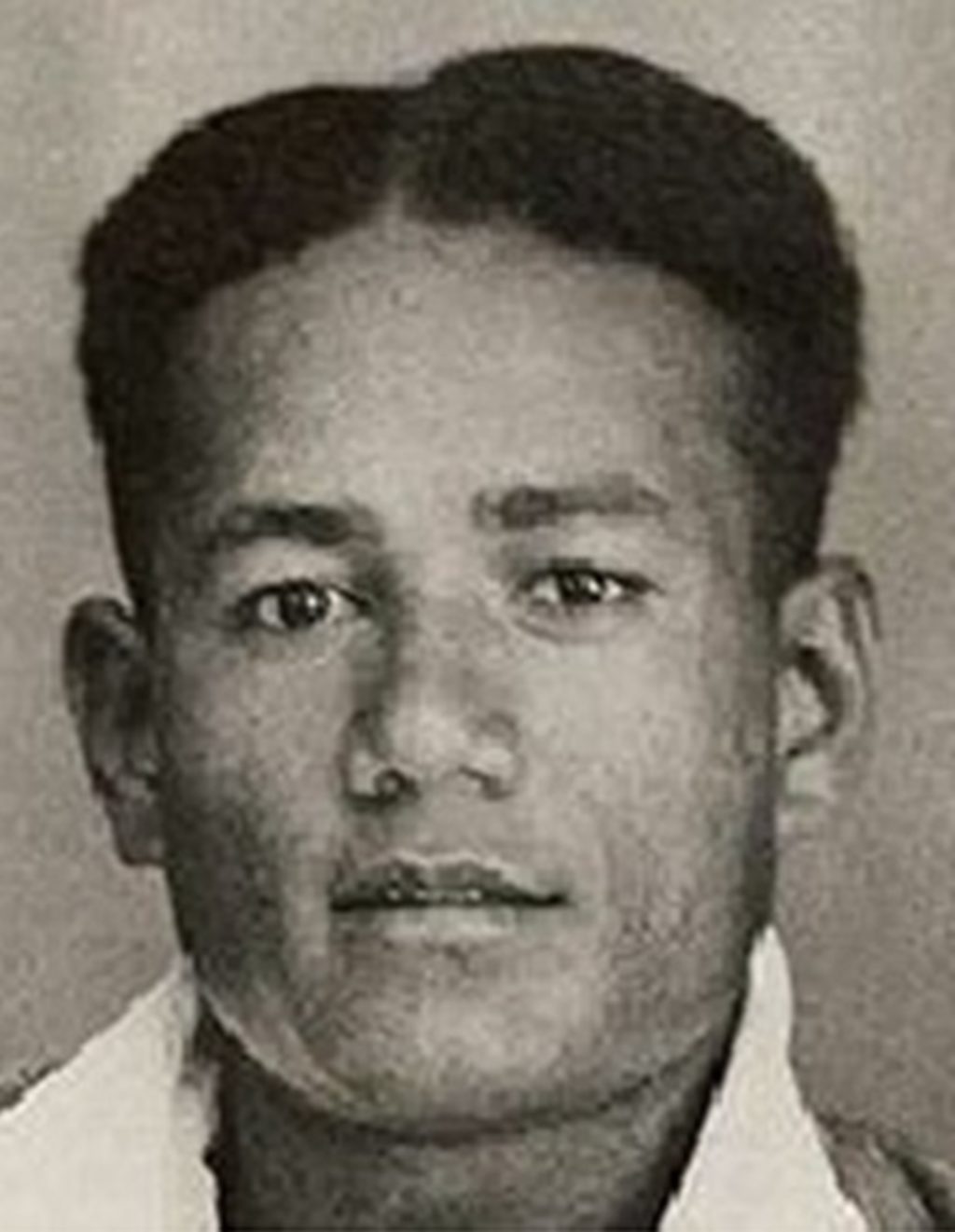
This month marks the 82nd anniversary of Corporal Sefanaia Sukanaivalu’s posthumously awarded Victoria Cross in 1944. To remember the occasion The Sunday Times takes you through the pages of history right to his birth on Yacata Island in Cakaudrove on January 1, 1918
FROM a premature birth on a remote island to the battlefields of Bougainville, Corporal Sefanaia Sukanaivalu’s life was marked by a courage that would earn him the Victoria Cross and secure his place in Fiji’s history.
Born two months prematurely on the remote island of Yacata, Sefanaia Sukanaivalu was not expected to have an easy beginning.
His parents struggled to keep him alive during his first weeks, placing him in a makeshift incubator fashioned from a coconut basket and lined with old pieces of tapa to keep him warm.
Yet the boy who needed such careful attention to survive would grow into a soldier whose final act of bravery would become one of the most celebrated moments in Fiji’s military history.
It was on November 2, 1944 that Corporal Sefanaia Sukanaivalu was posthumously awarded the Victoria Cross, the highest award for gallantry for his heroic actions during World War II.
More than 80 years after his death, the award remains a defining part of Fiji’s military history.
On June 23, 1944, Corporal Sukanaivalu gave his life on Bougainville Island while attempting to rescue wounded members of his platoon during World War II.
He remains Fiji’s only recipient of the prestigious military decoration to this day.
More than three decades after his death, his name returned to the pages of The Fiji Times in September 1976 when the newspaper reported that Papua New Guinea had declined a request by Fiji to bring his remains home for burial.
At the time, his body rested at Bita Paka War Cemetery near Rabaul, Papua New Guinea, where he had been reburied after his remains were transferred from Bougainville.
The request had followed a pilgrimage to his grave by then prime minister Ratu Sir Kamisese Mara, who wanted the soldier brought home to a hero’s resting place.
But the request was not granted.
A difficult beginning
Sukanaivalu was born on January 1, 1918, on the island of Yacata.
A few personal details about Corporal Suka, as he was sometimes called, was highlighted by the Fiji Army historian, the late Tevita Nawadra.
According to Nawadra, Corporal Suka was named after Ratu Paula Raikaki, the Tui Yacata at the time, whose return from fighting in France during World War I coincided with the infant’s birth.
His name, Sefanaia Sukanaivalu, carried a connection to that homecoming. Sukanaivalu means “return from war” in the Fijian language.
His arrival was premature, and his parents faced the difficult task of keeping him alive.
His skin, fingers, toes and face had not fully developed, prompting his parents to care for him in a homemade incubator for the following two months.
A coconut basket filled with old tapa pieces provided the warmth he needed during those early weeks.
Despite his fragile beginning, Sukanaivalu grew into a strong young man.
Victoria Cross Online describes him as someone who often preferred his own company.
He enjoyed hunting and spear fishing alone and developed a reputation on Yacata as a skilled fisherman.
He was also a talented rugby player and a fierce boxer. He enjoyed singing and was known for his good voice, often accompanying himself on the guitar.
His childhood on Yacata helped shape a young man who was comfortable with the outdoors and accustomed to life on an island.
His education eventually took him away from home.
As a teenager, he was sent to Niusawa Methodist School on Taveuni, about 80 kilometres north of Yacata.
In 1935, he moved to Viti Levu to attend the Methodist Church’s technical school at Davuilevu, near Nausori Airport, where he trained in carpentry.
He completed his studies in 1938 and secured work as a carpenter at the gold mine in Vatukoula, in western Fiji.
His time there was short-lived.
After learning that his older brother Aisea and younger brother Eroni had found work at Mount Kasi mine near Savusavu, he left Vatukoula to join them.
It was while he was working at Mount Kasi that World War II broke out.
The call to serve
When enlistment began in 1942, Sukanaivalu and his brothers faced a decision about their family’s responsibilities.
The brothers made an agreement that the two older siblings would enlist while Eroni, the youngest, returned to Yacata to care for their parents.
But Sukanaivalu nearly missed his opportunity to serve.
According to the website, Victoria Cross Online, he missed the boat carrying recruits who were heading to enlist.
Rather than abandon his plans, he returned to Yacata, where he cut down two large vesi trees and shaped the timber to build a traditional drua, a double-hulled sailing vessel.
He then sailed alone across the approximately 80-kilometre stretch of water to Taveuni, where he caught up with his friends.
His determination eventually took him into the Fiji Military Forces.
On April 23, 1942, aged 24, he joined the 3rd Battalion of the Fiji Infantry Regiment.
The young carpenter from Yacata had left behind his civilian life to serve alongside other Fijians in the war.
Two years later, his name would become associated with an act of extraordinary courage.
The final act of courage
On June 23, 1944, at Mawaraka on Bougainville in the Solomon Islands, Sukanaivalu was serving with the Fijian Infantry Regiment when his platoon came under heavy attack.
According to the Supplement to The London Gazette published on October 31, 1944, the platoon had been ambushed, leaving several men wounded among the leading elements.
Sukanaivalu, a corporal commanding the rear section, crawled forward under enemy fire to help recover the wounded.
He successfully rescued two men before volunteering to go further into the exposed area alone to reach another wounded soldier.
Machine-gun and mortar fire continued as he made his way towards the casualty.
During the return journey, he was seriously wounded in the groin and thighs and fell to the ground, unable to move.
Sukanaivalu recognised the danger facing his men.
He called out to them, telling them not to attempt another rescue because of his exposed position.
But his comrades refused to abandon him, replying that they would never leave him to fall alive into enemy hands.
Knowing they would remain in danger as long as they could see he was alive, Sukanaivalu made a final decision.
He raised himself in front of the Japanese machine gun and was struck by a burst of bullets.
His death forced the remainder of the platoon to withdraw from a position where they risked being killed or captured.
Sukanaivalu was 26.
A national honour
The Pacific Islands Monthly December 1944 edition recorded the announcement by the Governor of Fiji during the opening of a session of the Council of Chiefs.
The Governor told those gathered that King George VI had approved the award of the Victoria Cross to the late Corporal Sukanaivalu.
In announcing the honour, he described the Victoria Cross as the highest and rarest decoration available to sailors, soldiers and airmen serving in the British forces.
He said the award could only be earned through conspicuous bravery in the presence of the enemy.
The Pacific Islands Monthly also recounted the circumstances surrounding the operation at Bougainville, describing the action as a little Dunkirk.
The Fijian battalion had landed outside the Empress Augusta Bay perimeter defences, supported by American artillery and engineers, and moved cautiously towards its first objective.
Strong Japanese resistance forced the troops to reconsider their position. As casualties mounted, a withdrawal by sea was organised.
Despite Japanese fire sweeping across the shoreline, the withdrawal remained orderly.
Lieutenant Colonel Voelcker later praised the conduct of the Fijian soldiers, saying they had demonstrated their ability to operate in the open under heavy fire.
He recalled that the troops had helped one another, with some carrying wounded comrades, while others walked despite their injuries.
The operation, he said had shown the Fijians in an entirely new light.
A resting place far from home
Sukanaivalu’s body was not recovered until four months after his death.
According to Victoria Cross Online, he and other soldiers killed in the battle were given a full military funeral at the American War Cemetery near Cape Moltke in Bougainville.
Their remains were later exhumed and transferred to Bita Paka War Cemetery in Rabaul, Papua New Guinea.
His grave is recorded at Plot V, Row B, Grave 13.
He was formally gazetted for the Victoria Cross on November 2, 1944, becoming the only Fijian to receive the award.
His medals are not publicly held.
The 1976 request to bring his body home reflected the importance attached to his sacrifice by Fiji’s leadership. Ratu Mara’s pilgrimage to the grave had renewed the desire to see the soldier laid to rest in his homeland.
But the regulations governing the war cemetery meant that the request could not be fulfilled.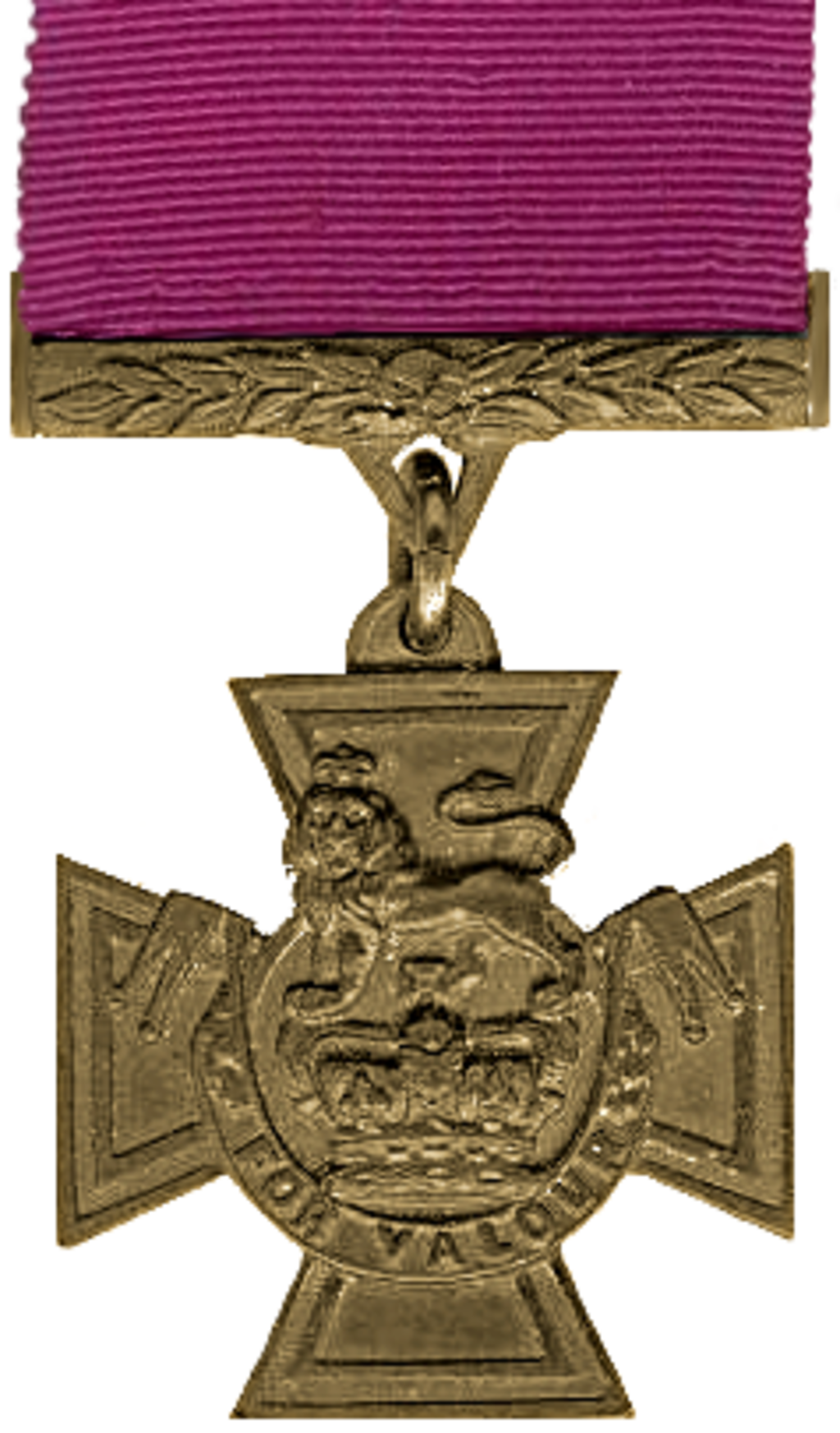
Corporal Sukanaivalu is the only Fijian to be awarded the Victoria Cross.
Picture: MEMORIALS TO VALOUR
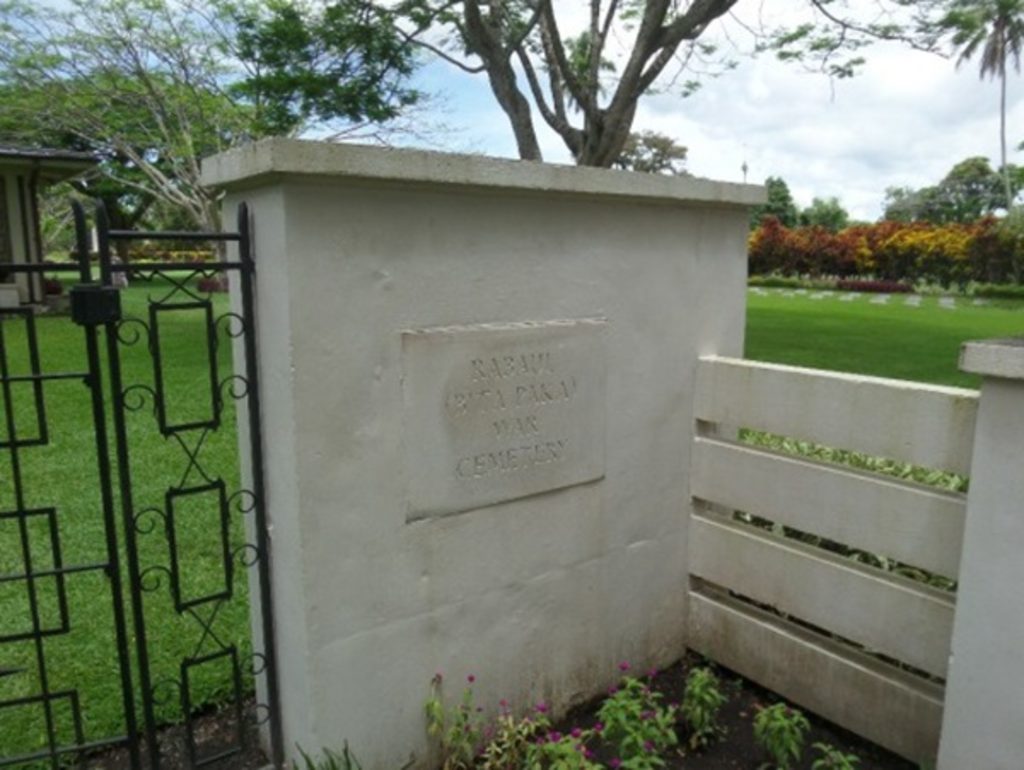
Corporal Sukanaivalu was buried at Bita Paka War Cemetery near Rabaul, Papua New Guinea. Picture: MEMORIALS TO VALOUR
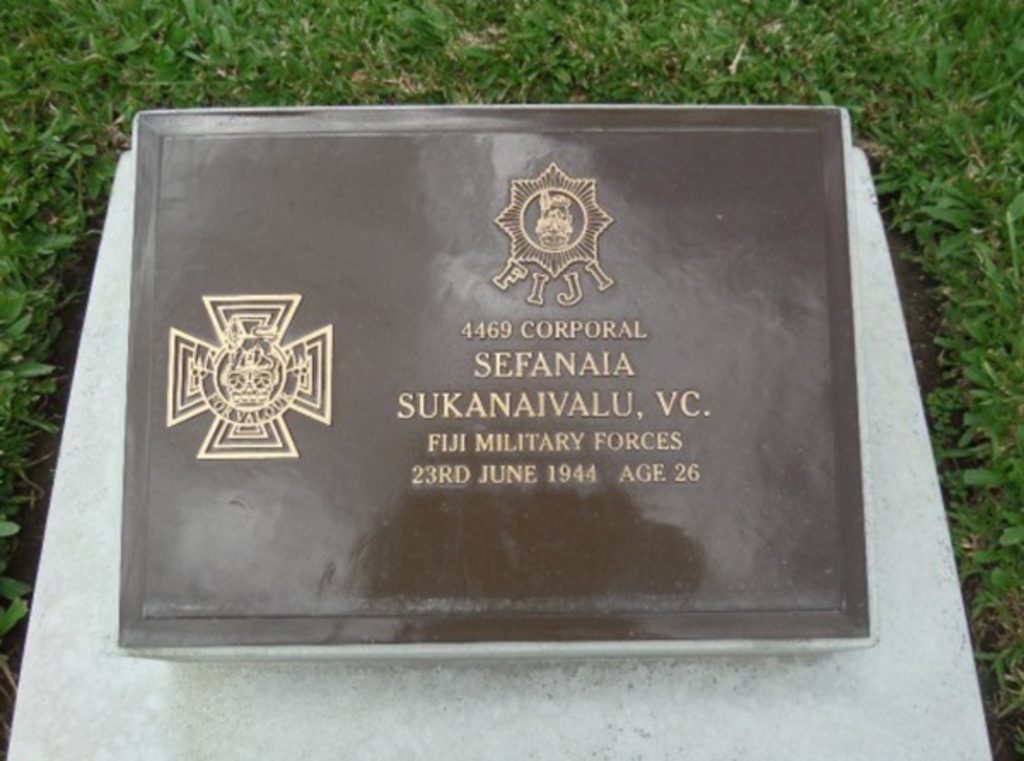
His final resting place was recorded as Plot V, Row B, Grave 13. Picture: MEMORIALS TO VALOUR
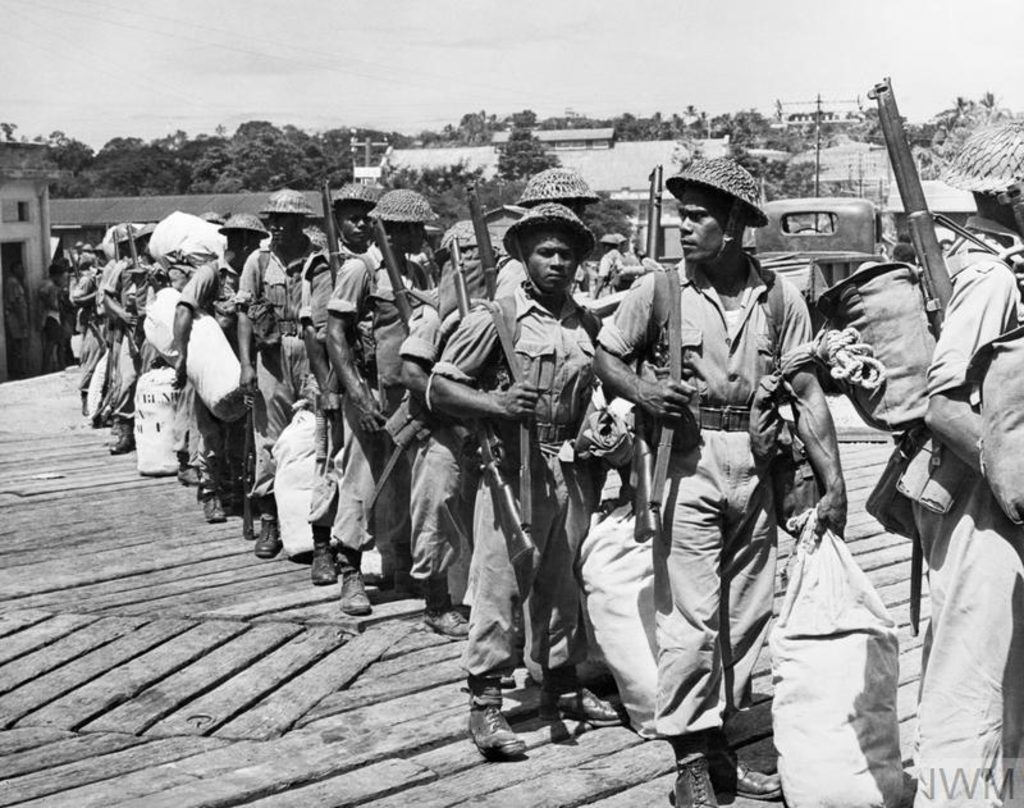
Enlistment began in Fiji in 1942. Picture: IMPERIAL WAR MUSEUMS
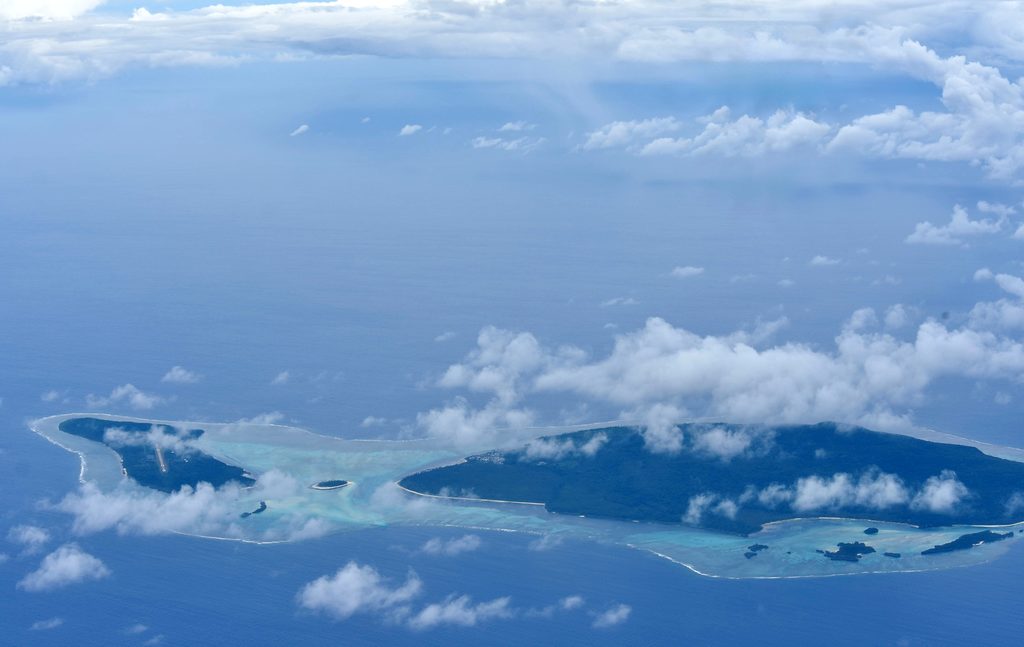
Corporal Sefanaia Sukanaivalu is from Yacata Island.
Picture: ANA MADIGBULI
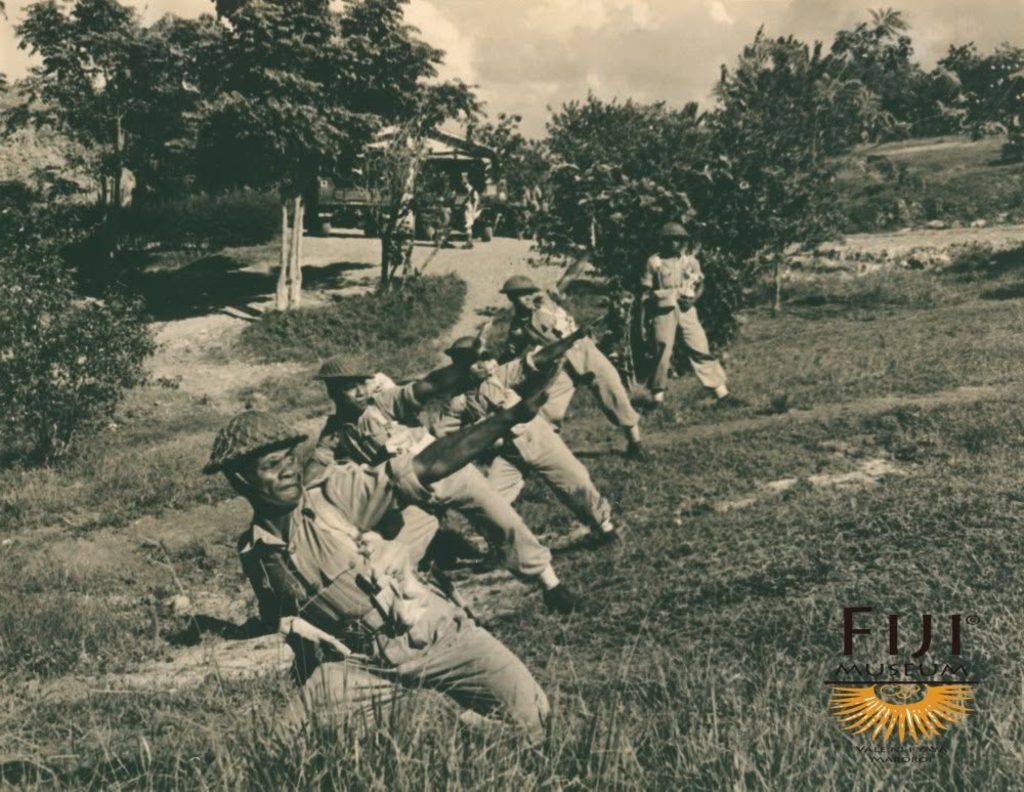
Fiji Military Force training – grenade practice. Picture: FIJI MUSEUM
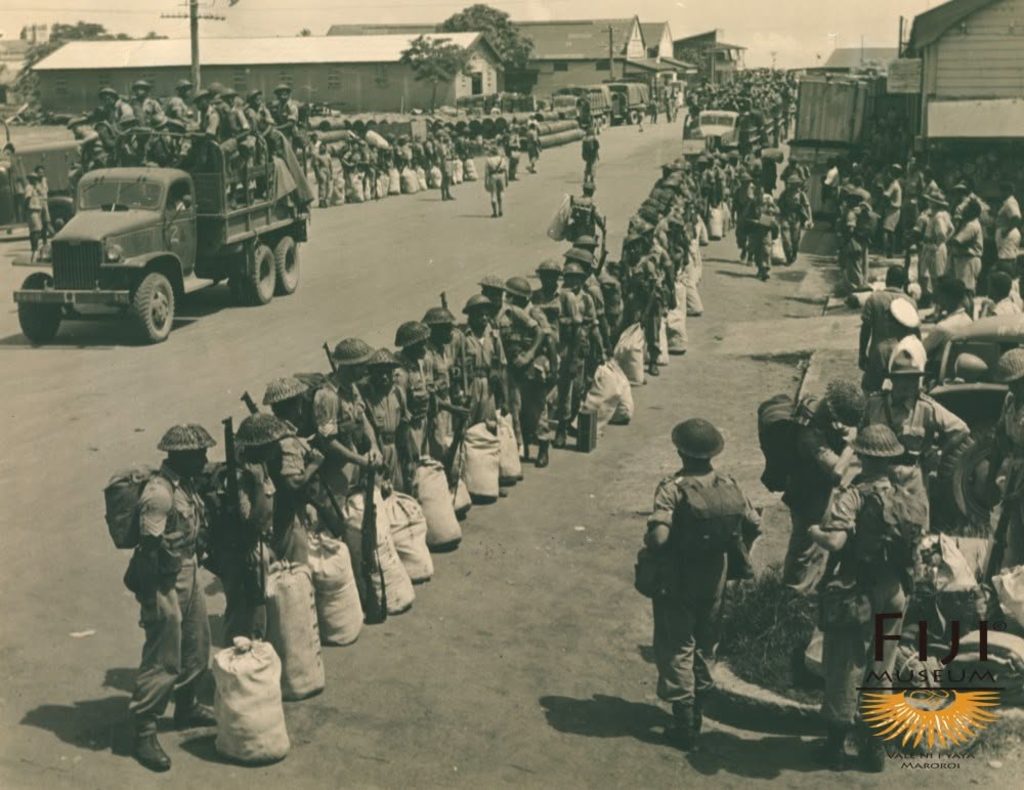
Men of the 3rd Battalion, Fiji Infantry Regiment, line up prior to embarking for service in the Solomons. Picture: FIJI MUSEUM