
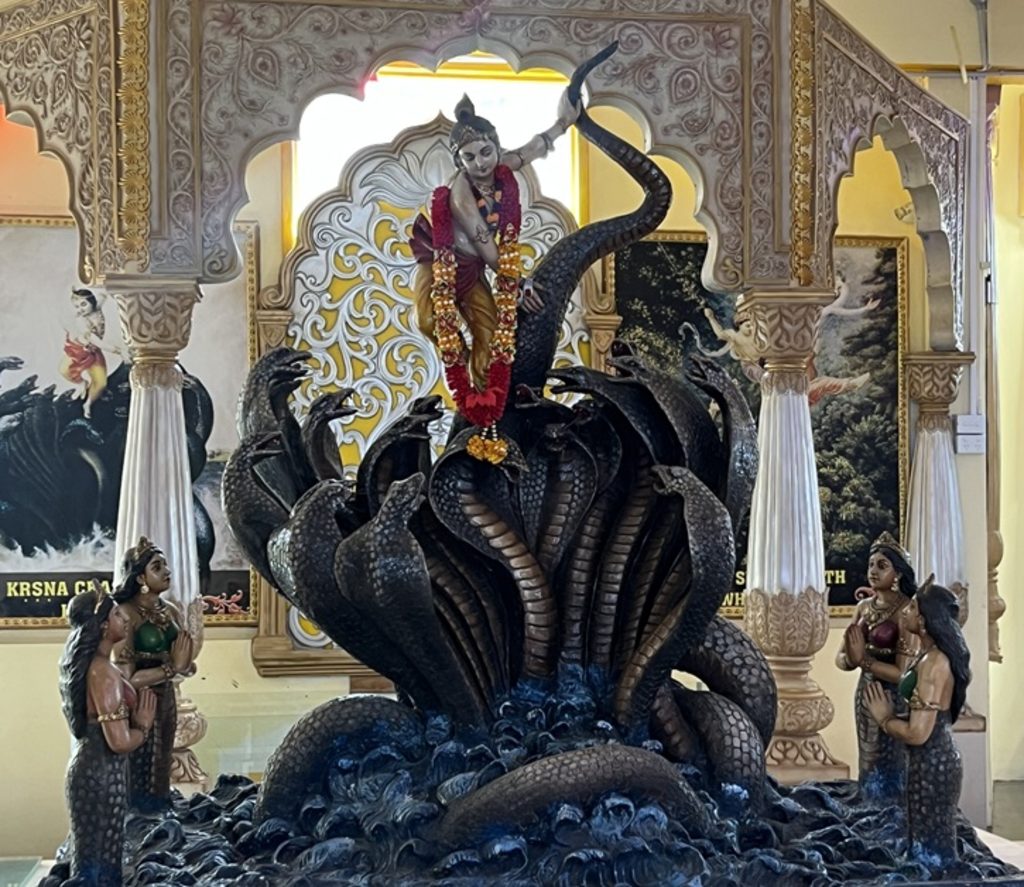
PERCHED on a hill overlooking Sigatoka Town and the winding Sigatoka River, the Sri Radha Damodar Temple is more than a place of worship.
For nearly 16 years, the temple has served as a sanctuary for the vulnerable and a spiritual refuge for devotees.
The temple is a lasting tribute to a vision that began decades ago.
Behind its success story is medical doctor and temple president, Dr Gurusmarna Devi-Dasi, whose commitment to service has transformed the landmark into a home for those seeking both shelter and spiritual renewal.
As visitors drive into Sigatoka over the bridge, the temple’s distinctive silhouette rises above the town. Yet beyond its striking architecture and panoramic seafront views lies a deeper story, one of faith and a lifelong dedication to helping others.
Fulfilling a Spiritual Vision
The journey began in 2000 when Dr Gurusmarna’s spiritual master, the late Tamal Krishna Goswami, made a simple but profound request.
“My spiritual master requested if I could build a house for him,” Dr Gurusmarna said.
Tragically, Tamal Krishna Goswami passed away in 2002 before seeing his dream realised.
Determined to honour his wishes, Dr Gurusmarna and her sister, Gita Kirti Dasi, took on the responsibility of building a temple in his memory.
Construction began in 2007 and was completed in 2010 with support from Vedavyasapriya Swami, Dr Sravaniya Devi Dasi, devotees, friends, family members and well-wishers from around the world.
The temple was officially inaugurated on November 21, 2010, on the auspicious day of Tulsi Vivah.
“Our master had been preaching in this zone for 35 years,” Dr Gurusmarna said.
“He wanted a temple on freehold land with a seafront view. We simply fulfilled what he requested of us.”
Today, the temple remains a living memorial to his teachings and legacy.
A place of refuge
While the temple was built to honour a spiritual leader, its purpose soon expanded beyond worship.
As a medical practitioner, Dr Gurusmarna frequently encountered people who had nowhere else to turn, elderly individuals abandoned by their families, neglected children and vulnerable people struggling to find stability.
Those experiences inspired another mission.
“Being a medical doctor, I would meet people who needed shelter,” she said.
“I saw elderly people who had no one caring for them, children who were neglected, and people who simply had nowhere to go.”
Since 2010, the temple has quietly provided shelter and support to underprivileged and vulnerable children and adults, operating entirely through donations and community support rather than government funding.
“We have done this with the help of friends, family, devotees and well-wishers,” she said.
“The temple itself was built with everyone’s help.”
Over the years, children who found refuge at the temple have been provided with education, food, accommodation and guidance.
Many have grown up, found employment, married and established independent lives.
Following the challenges brought by the COVID-19 pandemic and growing social concerns such as drug abuse, the temple has become more cautious about accepting new residents.
Nevertheless, its doors remain open to those genuinely seeking support and spiritual direction.
Today, the youngest resident is 12 years old while the oldest is 94.
“When people come here, they enter a spiritual way of life,” Dr Gurusmarna explained.
More than a shelter
For Dr Gurusmarna and her team, the temple’s mission extends beyond providing accommodation.
“We built these so people know there is a place where they can stay. It is a place for spiritual upliftment and shelter,” she said.
Residents and visitors are encouraged to reconnect with their faith, reflect on life’s deeper purpose and find peace away from the pressures of daily life.
“We want people to come here and recharge,” she said.
“It is a place where they can revive their spiritual consciousness, revive their God consciousness and remember that everything in this world is temporary.”
“We want them to leave feeling peaceful.”
A Community Under One Roof
The four-storey temple has been carefully designed to support both spiritual practice and community living.
The ground floor houses guest rooms with basic amenities for visitors who wish to participate in devotional service.
The second level accommodates approximately 20 permanent residents, each with their own room and facilities.
While the temple initially housed both men and women, it now primarily accommodates women due to its female-led management structure.
The third floor features the kitchen, dining facilities, guest accommodation for visiting priests and a restaurant area. Meals are available on request, but hospitality remains a core principle.
“Every day we prepare a little extra food in case someone arrives,” Dr Gurusmarna said.
“No one leaves hungry.”
The temple also hosts weekly Sunday programs for children and visitors.
On the fourth floor is the temple hall where devotees gather for worship and spiritual activities.
The rooftop serves as the venue for the temple’s annual boat festival, one of several events that draw visitors throughout the year there.
Celebrating a legacy
This year holds special significance for the temple community.
Tamal Krishna Goswami would have celebrated his 80th birthday, and devotees are preparing a series of events in his honour.
Among them is the annual Festival of Fiji, which will attract devotees from around the world to the temple.
This year’s celebrations will feature a chariot festival, during which the deity is taken out of the temple in a ceremonial procession.
As the Sri Radha Damodar Temple approaches its 16th anniversary in November, it continues to embody the vision that inspired its creation, a place where devotion meets service, and where compassion is expressed through action.
What began as a promise to a spiritual teacher has evolved into a sanctuary for countless people seeking hope and a sense of belonging.
For Dr Gurusmarna Devi-Dasi and her dedicated team, that mission remains as important today as it was when the temple first opened its doors in 2010.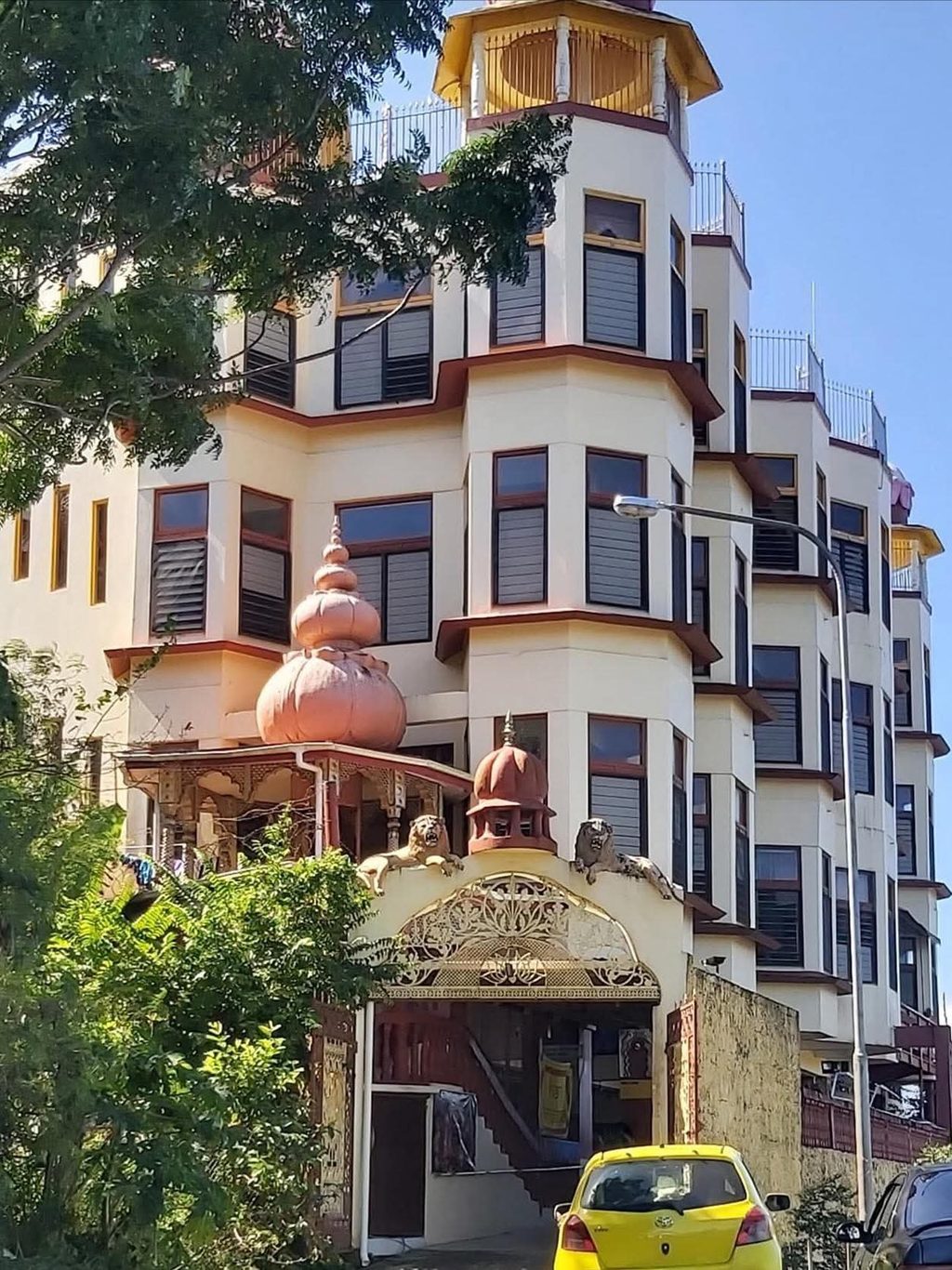
The Sri Radha Damodar Temple is perched on a hill overlooking
Sigatoka Town.
Picture:
SUPPLIED
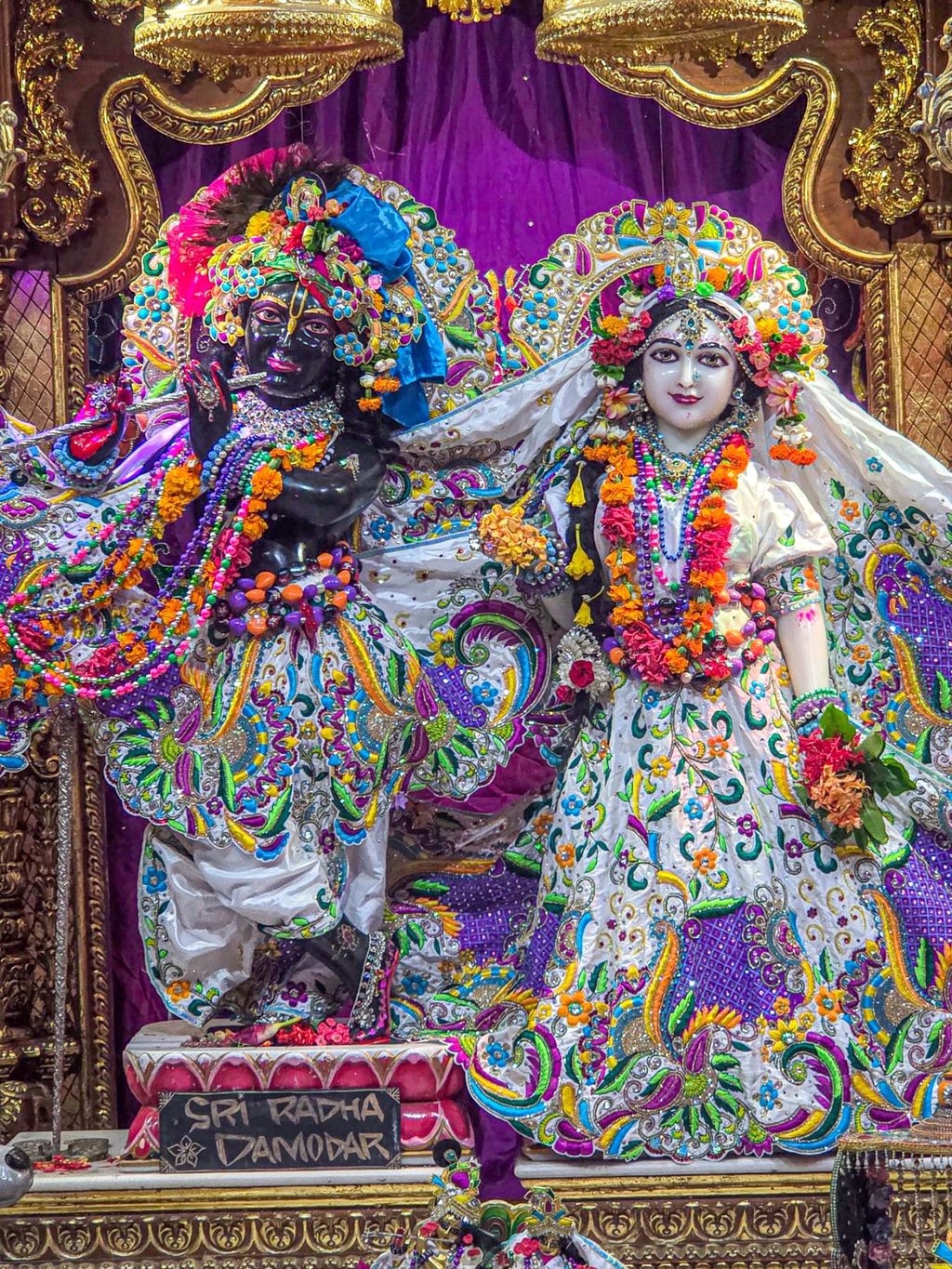
For nearly 16 years, the temple has served as a sanctuary for the vulnerable, a spiritual refuge for devotees. Picture: SUPPLIED
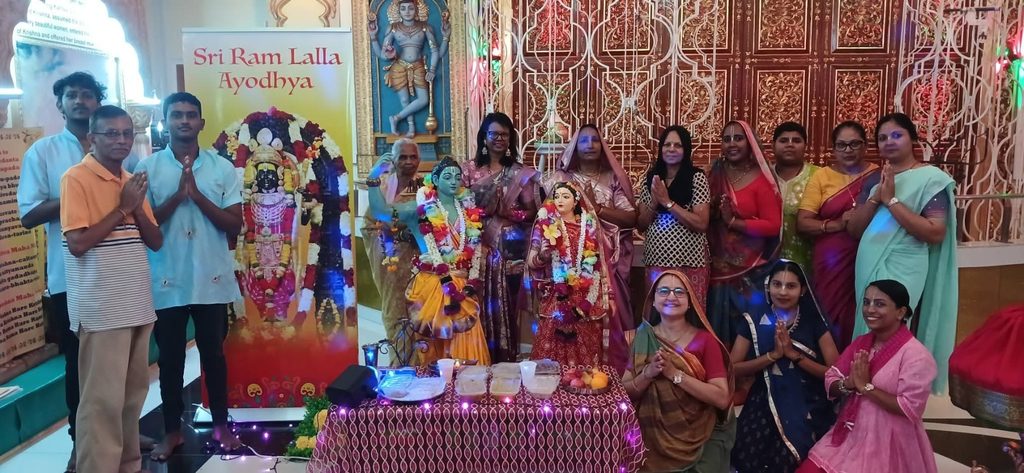
Devotees at the temple. Picture: SUPPLIED
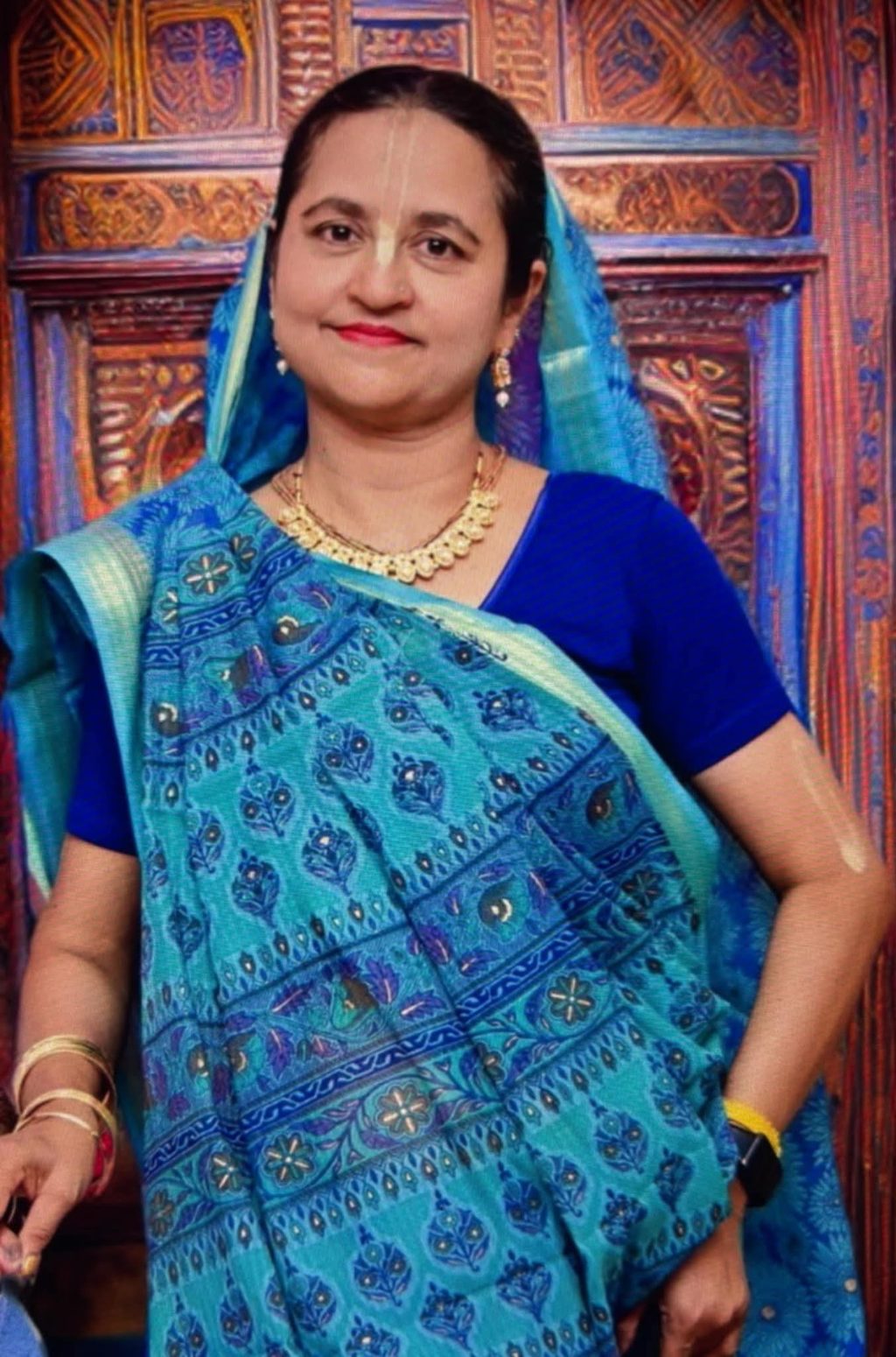
Temple president, Dr Gurusmarna Devi-Dasi. Picture: SUPPLIED
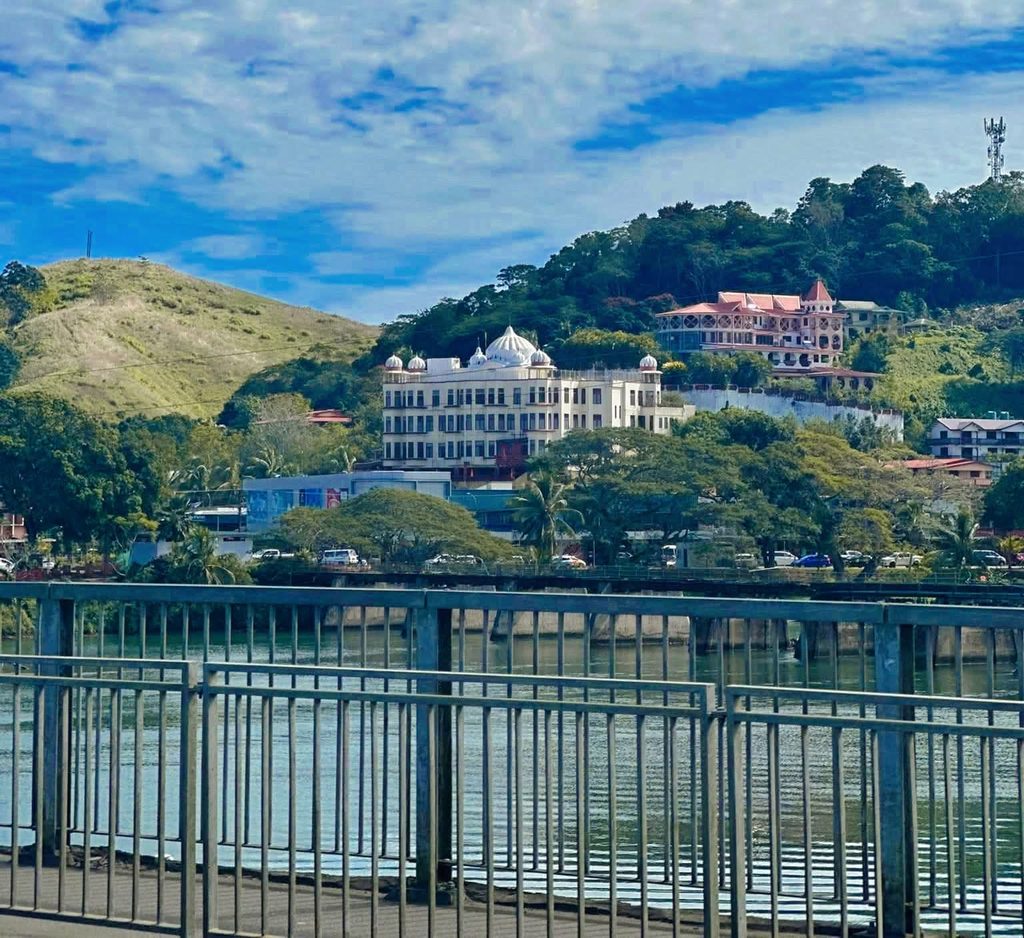
A view of the temple from the Sigatoka Town bridge. Picture: SUPPLIED
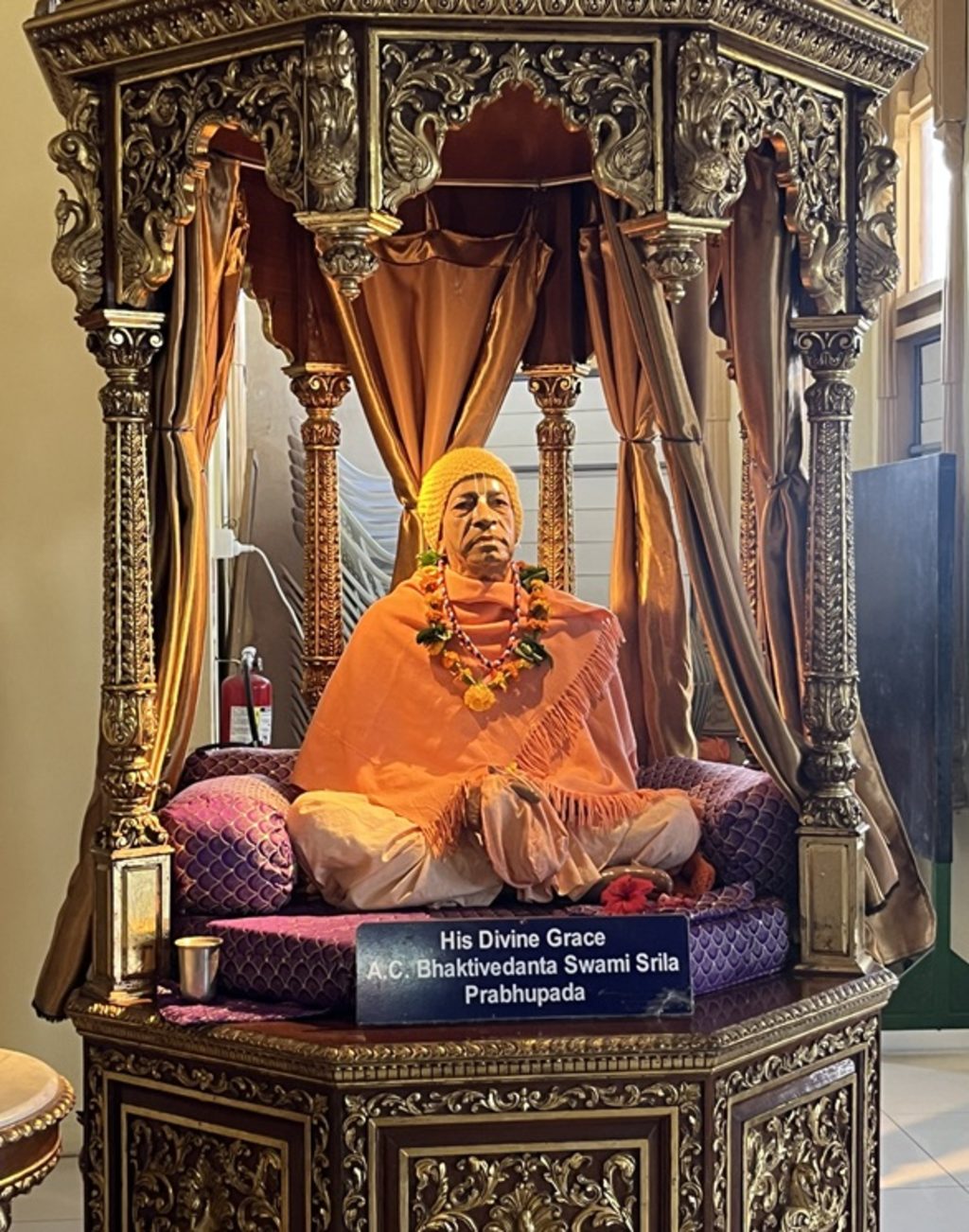
What began as a promise to a spiritual teacher has evolved into a sanctuary for countless people seeking hope and a sense of belonging. Picture: ANA MADIGIBULI
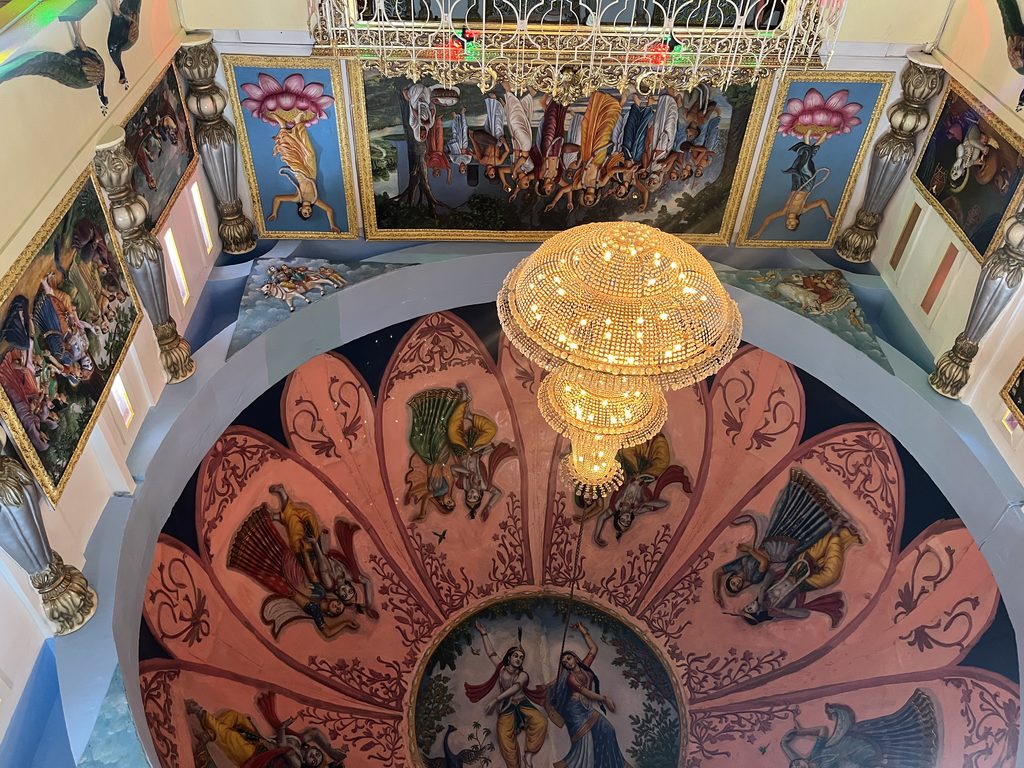
The Sri Radha Damodar Temple ceiling has a unique design.
Picture: ANA MADIGIBULI
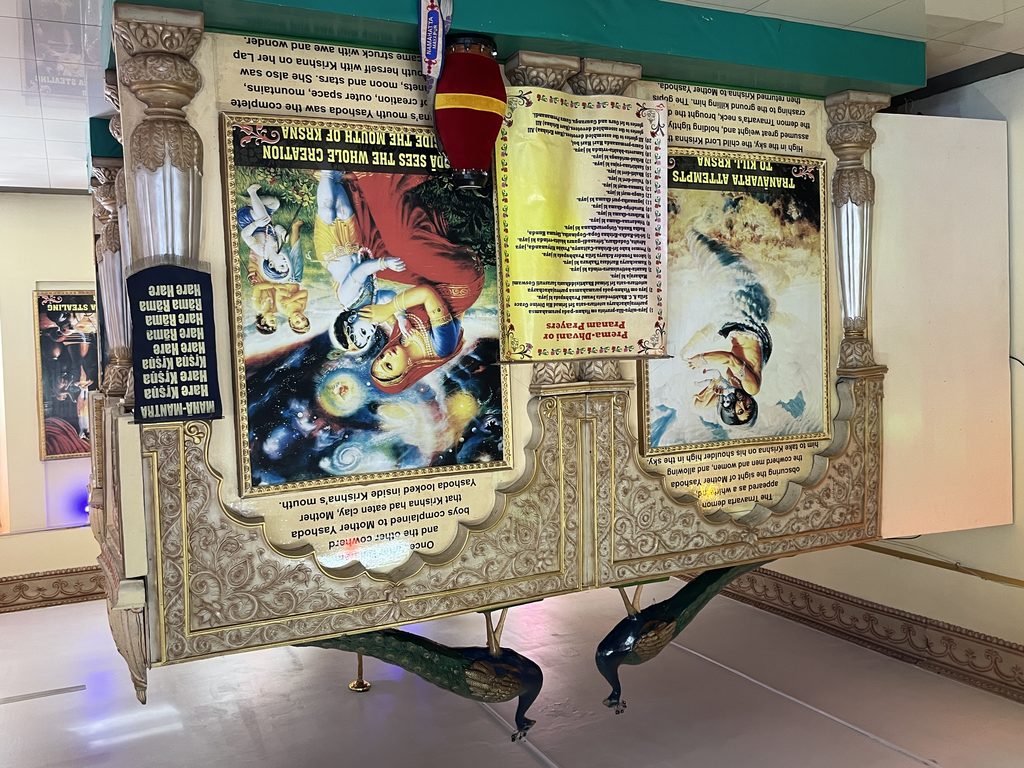
The four-storey temple has been carefully designed to support both spiritual practice and community living.
Picture: ANA MADIGIBULI
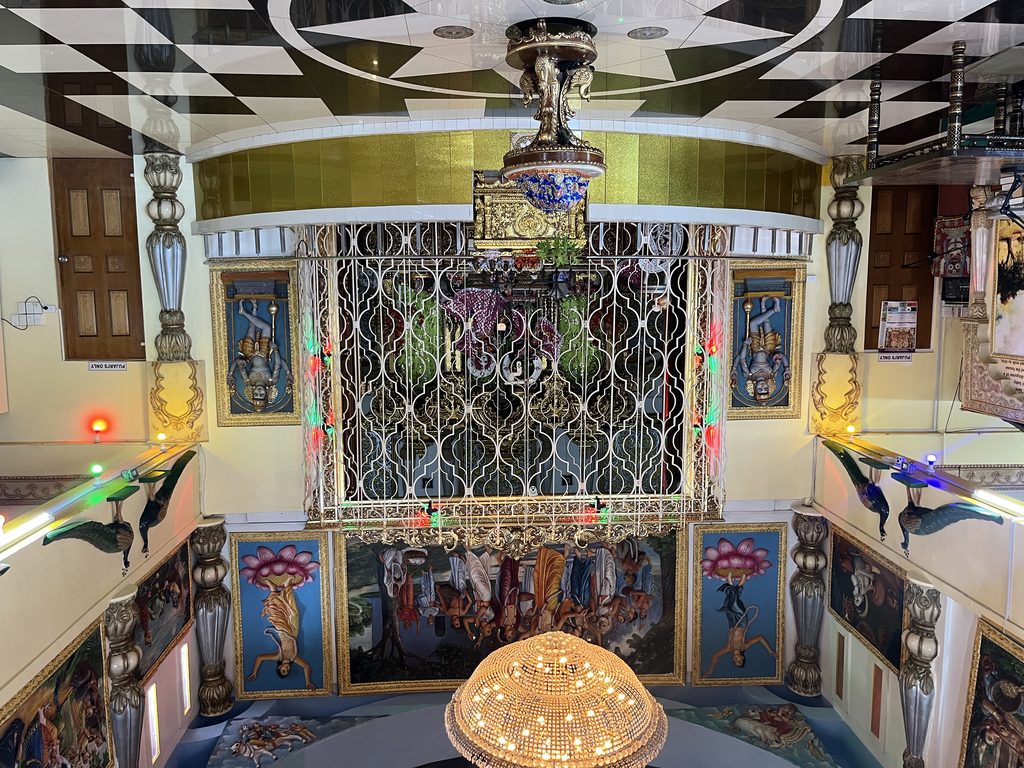
On the fourth floor is the temple hall where devotees gather for worship and spiritual activities. Picture: ANA MADIGIBULI

