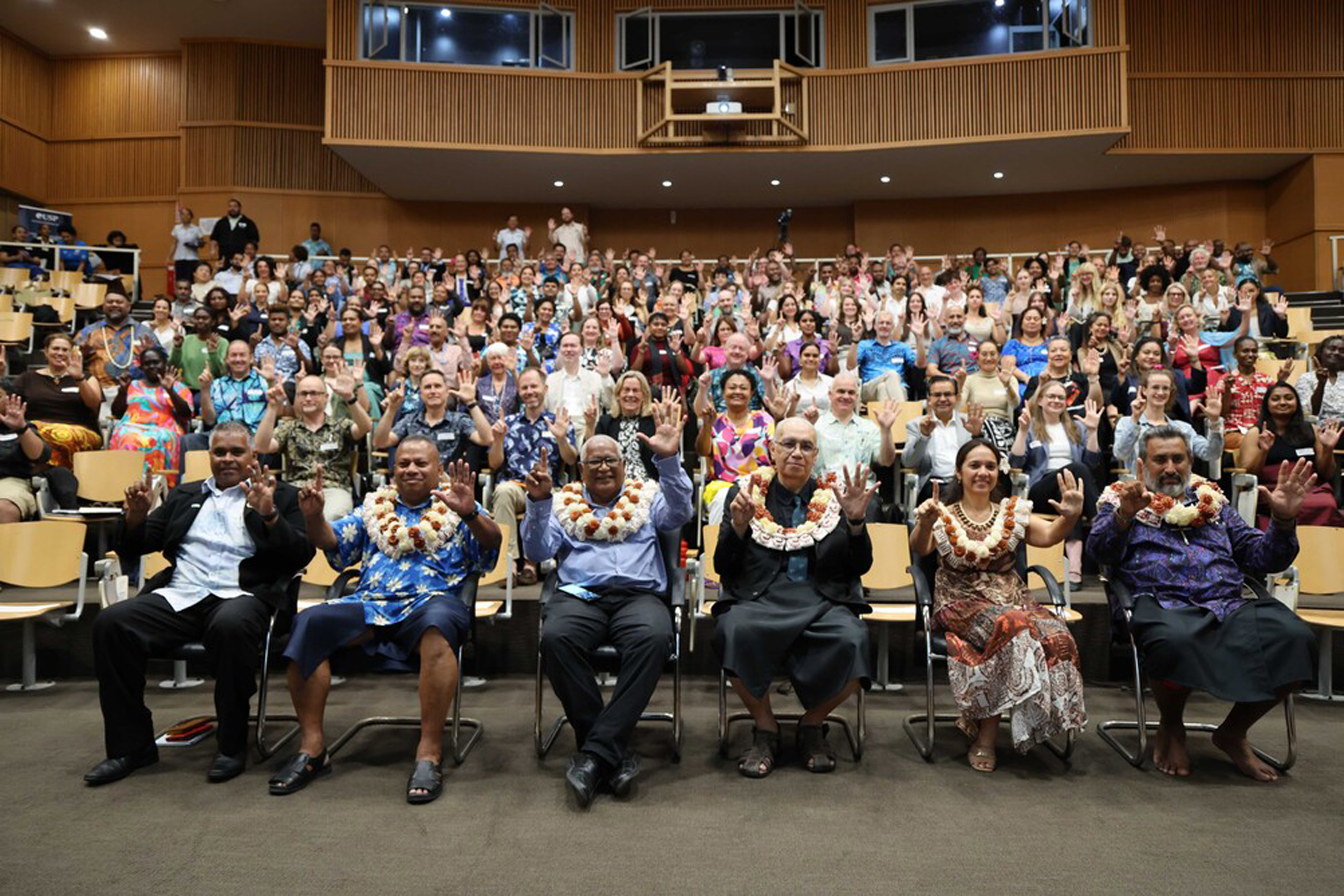
PUT persons with disabilities in the room where climate decisions are made or stop calling those decisions inclusive.
This was the strong message sent by organisations of persons with disabilities from across the Pacific at the Pre–COP31 summit underway in Nadi.
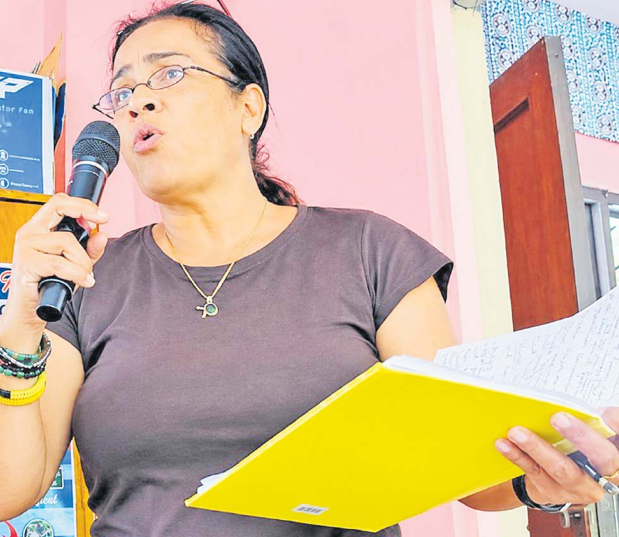
Pacific Disability Forum CEO Sainimili Tawake called on regional leaders attending the pre-COP31 Summit this week to drive their message across to their global counterparts.
“When the siren sounds, a deaf woman on an outer island does not hear it. When the evacuation centre has steps, a wheelchair user does not get in, Ms Tawake said.
“These are not acts of nature.
“They are decisions, and persons with disabilities were not in the room when they were made.”
The forum is putting five demands to Pacific governments, donors and the global climate funds ahead of COP31 in Antalya, Türkiye, in November :
1. A seat at the table. Representatives of organisations of persons with disabilities in every national COP31 delegation, climate committee, adaptation and emissions plan, loss and damage negotiation and climate-finance decision, with the cost of accessible participation covered.
2. Money that reaches them. The Green Climate Fund, the Adaptation Fund, the Fund for Responding to Loss and Damage, regional mechanisms and donors to budget explicitly for disability inclusion, with small grants that national and community-level organisations can access directly.
3. Build it accessible. Every publicly financed climate-resilient building, early warning system and preparedness program to meet accessibility and universal design standards.
4. Count them. Climate risk, loss and damage and adaptation data broken down by disability, age and gender, with organisations of persons with disabilities deciding what is collected and how it is used.
5. Write it in. Disability inclusion as a measured and funded requirement across adaptation, Loss and Damage, just transition and disaster response, not a footnote.