THE death penalty would not solve Fiji’s drug problem.
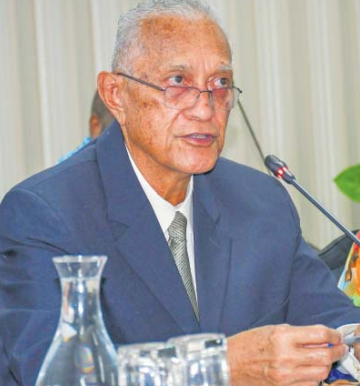
Former chief justice Daniel Fatiaki shared this yesterday while responding to calls for capital punishment for drug offenders arguing that addiction should be treated as a health issue rather than punished as a crime.
Mr Fatiaki said countries that impose the death penalty for drug crimes have not provided a model Fiji should follow.
“We (Fiji) used to have the death penalty. George Speight, will tell you, he got a death sentence given to him,” Mr Fatiaki said.
He also said his opposition to the death penalty was rooted in his Christian faith, saying he believed the taking of life should not be left to people.
“But I’m Christian, and I believe in the Ten Commandments, and one of them says, Thou shalt not kill. And that’s all there is to it.”
Mr Fatiaki said taking a person’s life was not the answer to addressing the country’s growing drug crisis and instead urged greater investment in rehabilitation.
He argued that many people caught up in drug use were not hardened criminals but young people battling addiction and should be treated rather than punished.
“These people, quite often, aren’t criminals.
“They’re our children, they’re our teenagers.”
Mr Fatiaki said addiction was a medical condition that required healthcare rather than harsher penalties.
“You don’t solve the drug problem by killing the users.
“Drug is addictive, and addictions are not crimes.
“They’re medical conditions that need treatment.
“So you treat addicts, you don’t kill them.”