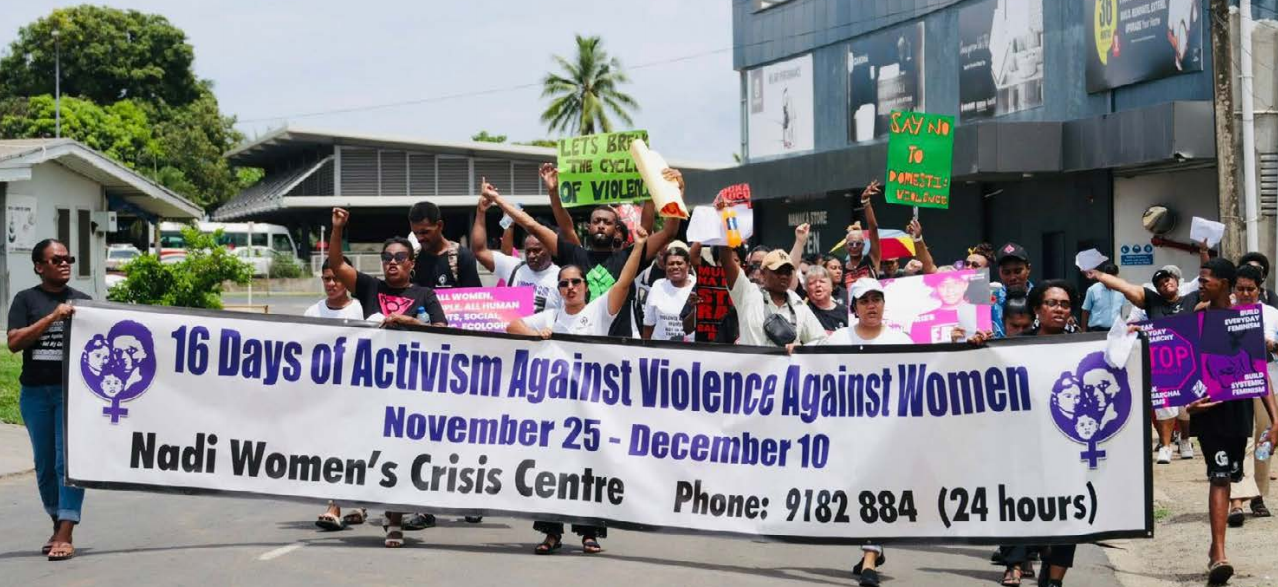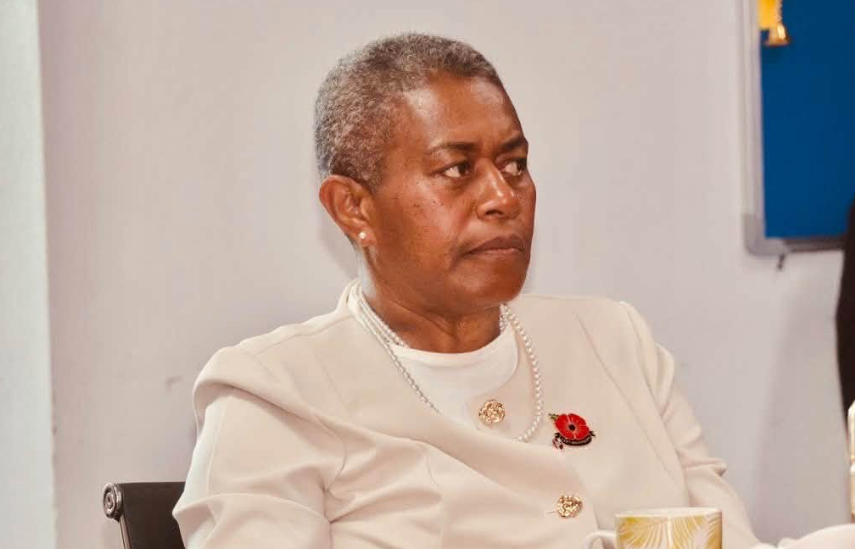
Traditional forgiveness must never be used to protect perpetrators of domestic and family violence from prosecution, says Ministry of Women, Children, Social Protection and Cohesion Permanent Secretary Selina Kuruleca.
Ms Kuruleca has strongly opposed any proposal that would allow customary reconciliation to replace legal accountability in cases involving violence against women and children.
“Let us be absolutely clear: culture must never become a shield for violence, and forgiveness must never become an escape route from accountability,” she said.
“A man who assaults his wife or abuses his children must be held accountable under the law, regardless of whether a traditional reconciliation ceremony has taken place.”
Ms Kuruleca said while the Ministry recognised and respected the cultural significance of traditional iTaukei reconciliation practices, these must not undermine the rights, safety and protection of victims.
She stressed that domestic violence was not simply a private family disagreement that could be resolved through traditional ceremonies.
Instead, she said, it was a serious violation of human rights and, where an offence had been committed, a matter for the justice system.
“Women and children have suffered in silence for far too long, often pressured to forgive their abusers in the name of family unity, cultural obligations or community expectations,” she said.
“We cannot allow our justice system to reinforce the very pressures that prevent victims from seeking protection and justice.”
Ms Kuruleca warned that allowing customary forgiveness to influence accountability for domestic violence offences would undermine Fiji’s commitments to protecting women and children.
She pointed to the Domestic Violence Act 2009, the National Action Plan to Prevent Violence Against Women and Girls 2023–2028, the National Action Plan to Prevent Violence Against Children 2026–2031 and ongoing child protection reforms.
“We cannot, on one hand, commit ourselves to ending violence against women and children, and on the other, entertain proposals that risk allowing perpetrators to avoid the consequences of their actions,” she said.
“That would be a dangerous step backwards.”
The Permanent Secretary said genuine reconciliation should never come at the expense of justice, nor should victims be pressured to forgive their abusers to restore family or community relationships.
“Traditional reconciliation has its place in our society, but it cannot override the law,” she said.
“Forgiveness is a personal choice. Accountability is a legal responsibility. The two must never be confused.”
Ms Kuruleca said any reform to Fiji’s justice system must strengthen existing protections for women, children and vulnerable family members rather than weaken them.
“Our message is unequivocal: no cultural practice, family arrangement or political proposal should place the interests of an offender above the safety and dignity of a victim,” she said.
“Violence is violence, and it must be treated as such.”
She reaffirmed the Ministry’s commitment to working with traditional leaders, faith-based organisations, communities and justice sector partners to ensure cultural practices promoted respect, protection and accountability rather than silence or impunity.