
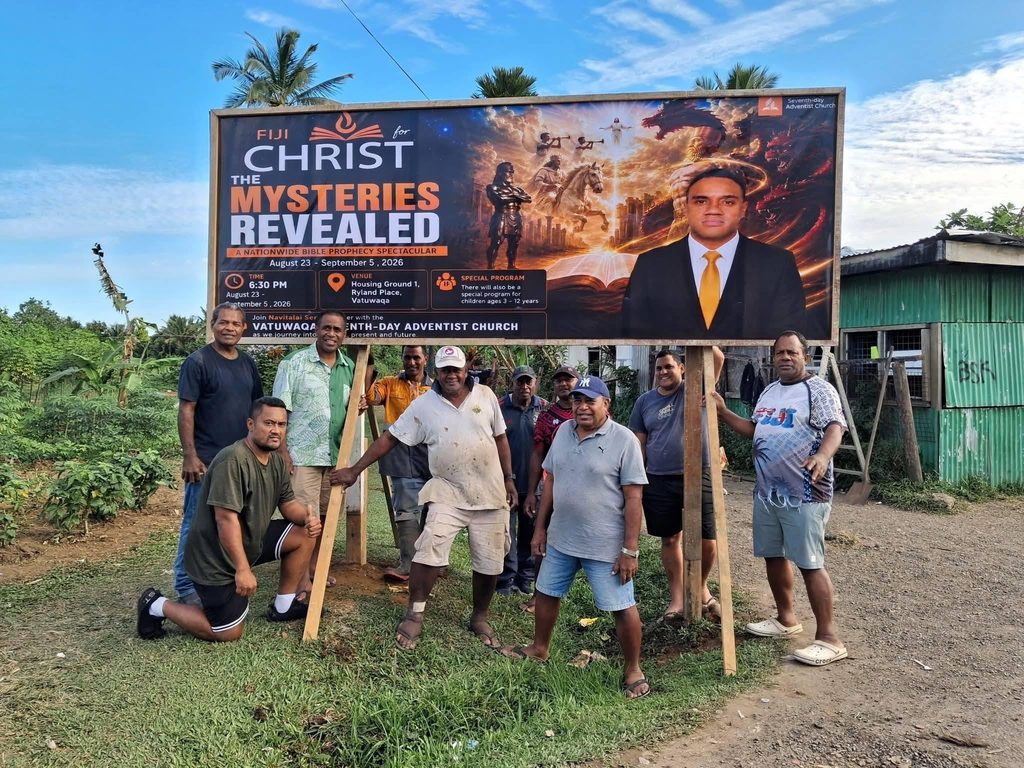
From today until August 29, something unusual will be taking place across Fiji.
In 202 venues, from the main centres to remote communities and the scattered islands, church halls, community spaces and other meeting places will become points of contact for a national campaign that seeks to bring together faith, health and civic responsibility.
For many people, the first encounter may have little to do with a pulpit. They may come for a health check.
They may stop to taste a health juice or sample a healthier meal. Others may simply be curious about what is happening in their neighbourhood.
That is how the Seventh-day Adventist Church hopes Fiji for Christ will meet people — not only through nightly evangelistic meetings, but through practical acts of service that touch everyday life.
For two weeks, free health checks and health-awareness activities will be offered at outreach booths around the country. In towns, cities, settlements and rural communities, the campaign will bring together church volunteers, health workers and community members.
Then, each evening, a different kind of conversation will begin. Before the main program, a 15-minute civic and public health segment will address issues that have become increasingly difficult for Fiji to ignore — HIV and AIDS, teenage pregnancy, drug abuse and trafficking, family concerns and crime.
Police officers, health officials and family-life specialists will contribute to the sessions, giving the program a distinctly community-focused character.
The message is simple: a healthy society requires more than sermons. It requires people willing to talk about the problems affecting their homes, their children and their communities.
Hope FM and Hope TV, broadcasting around the clock from their Suvavou headquarters, will extend that conversation beyond the physical venues. For the church, these activities form part of its largest evangelistic undertaking in Fiji, carried out under the Fiji for Christ banner.
“At the core of Fiji for Christ is a message of divine love for every Fijian,” says the church’s Sabbath School and Church Planting director, Pastor Maika Vakamelei.
“And we invite every willing heart to join this life-saving exercise from wherever you are.”
A national and global initiative
Fiji for Christ is part of a wider Seventh-day Adventist initiative known as OneVoice27, or “Mission for All”, which is building towards a coordinated global evangelistic program in the second half of 2027.
But in Fiji, the idea has been translated into something much closer to home.
The campaign has been building quietly for months.
Since January, local Adventist churches have conducted health checks, food demonstrations, health-juice exhibitions and Bible seminars. The smaller programs provided opportunities to learn what worked, what needed improvement and what would be required to manage an undertaking on a national scale.
There were also periods of fasting and regular prayer, including Wednesday fasting and midday prayer sessions. Behind the public program is an organisational principle the Adventist Church calls Total Member Involvement.
It means the responsibility does not rest with a handful of pastors or church leaders. Members have been encouraged to take ownership of different aspects of the campaign — from preparing venues and assisting with health activities to welcoming visitors and following up those who ask for further information.
For Pastor Maika, that participation is central to the campaign’s purpose.
“To organise something this big will require unity within the church,” he says.
“When the church unites, we believe the whole of Fiji and its communities will unite too.”
It is an ambitious proposition in a country spread across hundreds of islands, with communities separated by distance, sea and geography.
The answer has been to build a program in which each location carries the same broad message while allowing local people to become the face of the campaign in their own communities.
Command centre and toll-free line
At the centre of the operation will be a national command centre at the Adventist Church headquarters in Suvavou.
For the duration of the campaign, the headquarters will become more than an administrative office. It will function as the communications and coordination point for activities taking place across Fiji.
Reports from the various sites will be received each night. Visitor numbers, program updates and requests for further Bible study will be collated and passed between the field locations and the command centre. A toll-free number — 813 — will provide another channel for people seeking information or assistance.
The system is designed to give a national program a local rhythm: information gathered from villages, settlements, towns and islands can be relayed back to the centre, while instructions and logistical support can move in the opposite direction.
It is a sizeable undertaking.
Fiji for Christ will involve 147 international speakers and 55 local speakers, delivering the nightly program from different locations around the country.
Yet behind those figures are thousands of volunteers and church members who will rarely be seen from the platform.
They will be arranging chairs, preparing children’s activities, helping with health checks, recording visitors, managing sound systems and ensuring that people who walk through the doors are received warmly.
A campaign of this size depends as much on those quiet tasks as it does on the speakers whose voices will carry the evening message.
The daily activities
Each evening, the program will follow a common theme: “Mysteries Revealed.”
The presentations will explore foundational Christian and biblical teachings, with each night’s topic building into the wider series. The church says the messages are intended for people living in a period marked by uncertainty and rapid social change.
“We are living in uncertain and chaotic times,” Pastor Maika says.
For the organisers, the nightly presentations are therefore intended to offer people an opportunity to pause, reflect and consider questions of faith, hope and purpose.
At 7pm, adults will gather for the main presentation.
For children, there will be a parallel program through Vacation Bible School, where age-appropriate activities will combine learning, creativity and Bible stories.
Addressing Fiji’s social ills
The 15-minute civic segment is perhaps one of the more distinctive features of Fiji for Christ.
It recognises that the issues confronting families cannot be separated from the wider health and social environment in which people live.
Non-communicable diseases, HIV and AIDS, drug abuse, family breakdown and other social concerns will be discussed alongside information intended to help people make informed decisions.
“We often hear of the country’s public health crisis — NCDs, HIV/AIDS, drug abuse and so on,” Pastor Maika says.
“The 15-minute sessions will help raise awareness on these wide-ranging social issues. There will be something for everyone to take home.”
That approach gives the campaign two parallel purposes. One speaks to personal faith. The other speaks to the practical realities of life in Fiji.
And somewhere between the two is the central idea behind the program — that caring for a community involves both what happens inside a place of worship and what happens outside its doors.
Neighbourly invitation
For the Adventist Church, Fiji for Christ is ultimately an invitation.
People may come because they want a health check, because they are interested in the food demonstrations, because a neighbour invited them, or because they have questions about faith.
They may listen for a few minutes or return every evening.
What matters, organisers say, is that the doors remain open. Across 202 venues, the campaign will unfold differently from one community to another. Some places will be crowded. Others may have only a handful of visitors. In some communities, the health activities may become the main point of contact; elsewhere, the evening meetings may draw the greater interest.
But for the next two weeks, they will share one national calendar.
In a country accustomed to measuring distance by the sea between its islands, Fiji for Christ is attempting something different: creating a common space for conversation, service and reflection.
Whether that effort leaves a lasting mark will not be measured only by attendance figures.
It may be seen later in a person who decides to seek help for an addiction, a family that begins talking again, a young person who makes a different choice, or someone who simply walks away from a health booth with a little more knowledge than they had before.
“To every Fijian, please attend the site nearest to you and hear a message of hope, grace and love. This is our invitation to you,” says Pastor Maika.
The biggest regional sites will be set up at the Suva Civic Centre, Girmit Centre in Lautoka and the Namara SDA Church Compound in Labasa.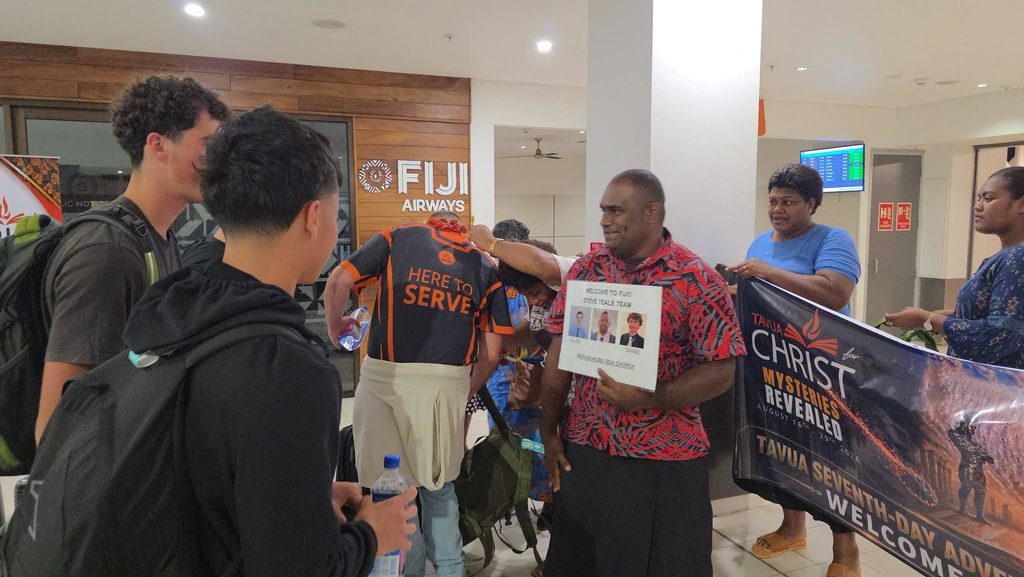
Meet and greet of international guests at the airport. Picture: SDA Church/Fiji Mission Facebook
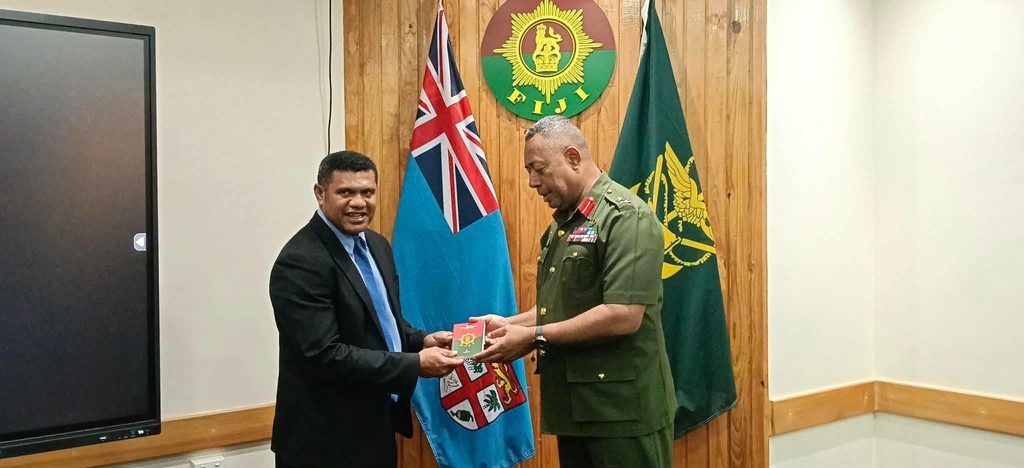
In the lead up to the Fiji for Christ initiative, SDA Church president Pastor Epeli Saukuru paid a courtesy visit to the RFMF Commander Major General Jone Kalouniwai.
Picture: SDA Church/Fiji Mission Facebook
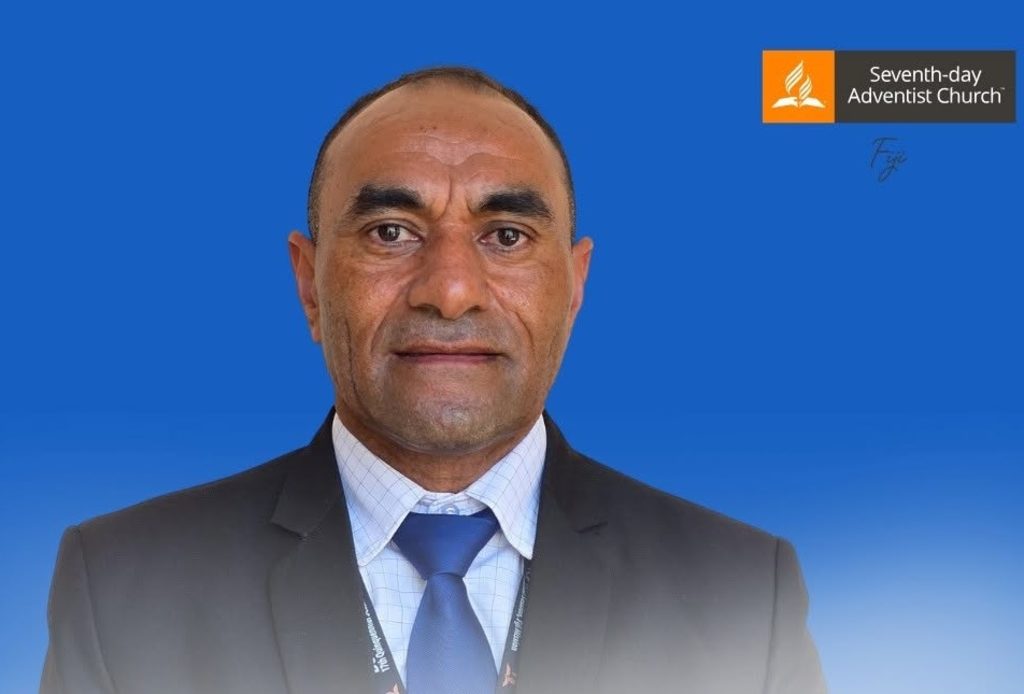
Mugshot SDA Church Sabbath School and Church Planting director, Pastor Maika Vakamelei. Picture: SDA Church/Fiiji Mission
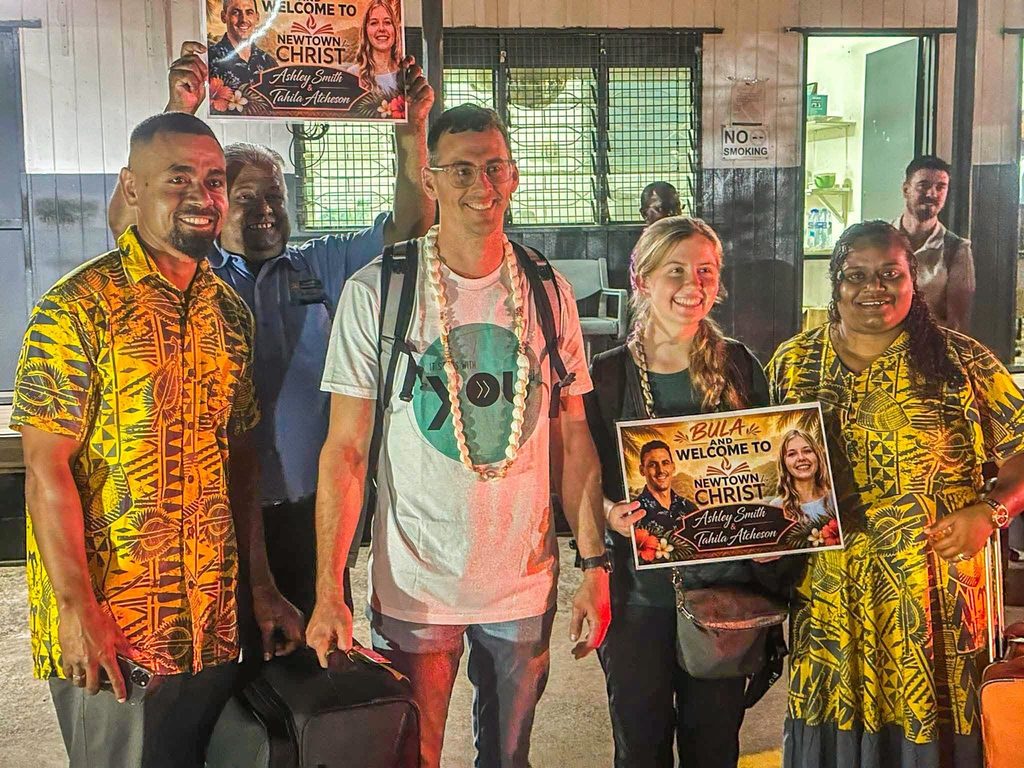
Newtown SDA Church members meet their guest speakers from abroad. Picture: SDA Church/Fiji Mission Facebook
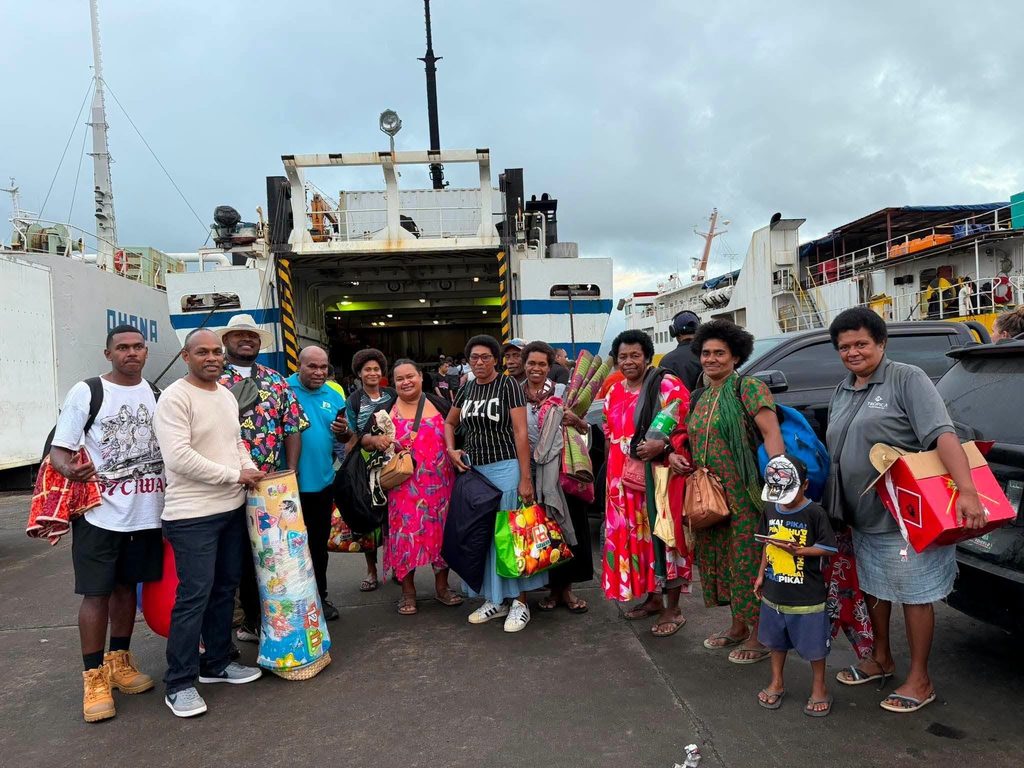
Fiji for Christ team departs for the Lau Group. Picture: SDA Church/Fiji Mission Facebook
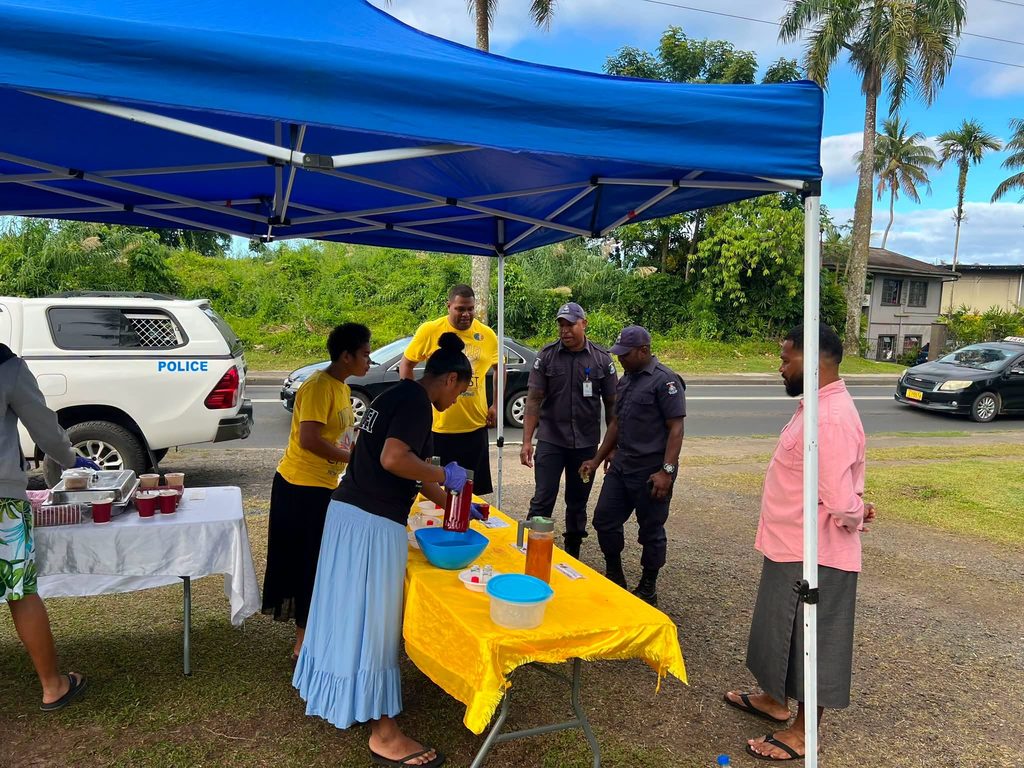
Churches have been organising outreach events like this free breakfast and juice tent at Vugalei, Lami. Picture: Vugalei SDA Church/Facebook

