WITH more than 60 per cent of Pacific healthcare facilities located within 500 metres of the coastline, rising sea levels and intensifying cyclones are placing frontline health services at increasing risk across the region.
Against this backdrop, a peer-to-peer mentorship initiative between Fiji and the Solomon Islands is emerging as a practical, country-led approach to strengthening climate-resilient healthcare systems.
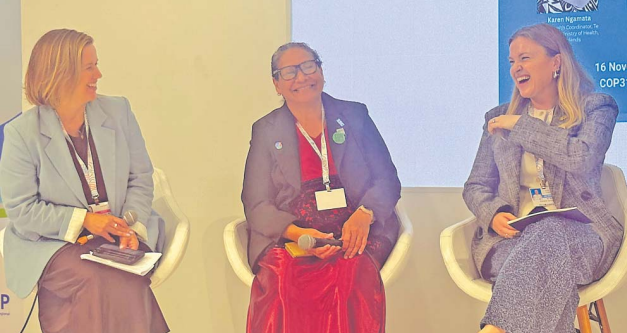
The partnership was highlighted during the Pacific Health in a Changing Climate session at the Moana Blue Pacific Pavilion at COP31, where regional health officials and development partners discussed the importance of sharing expertise and developing locally driven solutions.
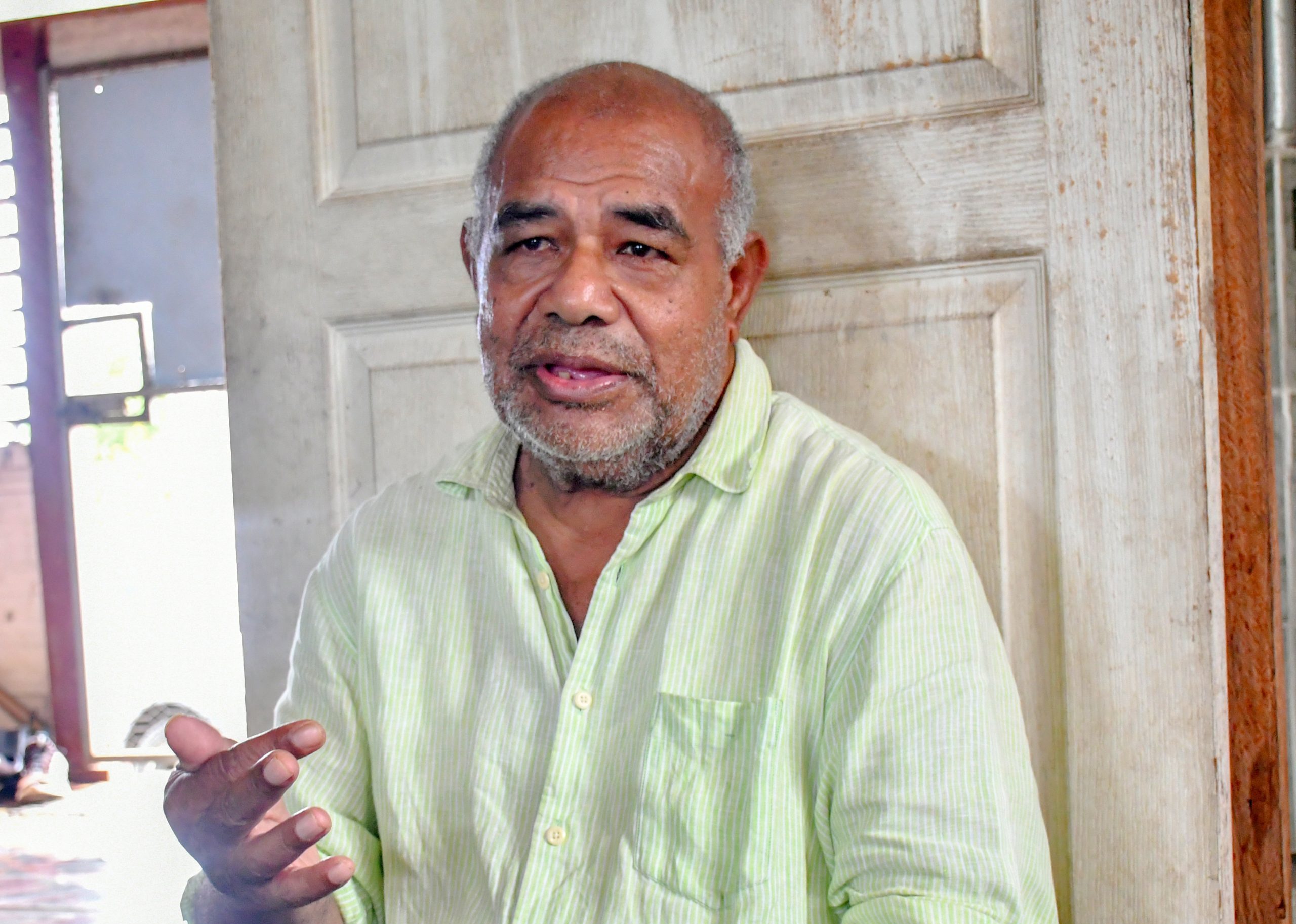
Speaking at the session, Fiji Ministry of Health and Medical Services senior health inspector Dr Isimeli Tuiteci outlined how Fiji hosted a Solomon Islands fellow through the Pacific Network for Health and Climate Change fellowship programme.
Rather than providing a one-size-fits-all model, Fiji shared its practical approach to assessing environmental health vulnerabilities, estimating the cost of infrastructure improvements and prioritising water, sanitation and hygiene (WASH) upgrades within limited national budgets.
Fiji’s experience is underpinned by a comprehensive assessment of 204 health facilities using the Climate Resilient and Environmentally Sustainable Healthcare Facilities tool. The assessment identified 20 priority facilities and 29 costed interventions, valued at approximately $8million, under the country’s Health National Adaptation Plan.
As part of the fellowship placement, the Solomon Islands fellow visited health facilities in Fiji’s Western Division, including Korolevu and Lomawai health centres, to observe climate-related challenges and potential adaptation measures firsthand.
Established in 1969, Korolevu Health Centre is located just 75 metres from the high-water mark and serves a population of approximately 4000 people. The facility faces significant climate risks, including cyclone exposure and muddy, obstructed water intakes during periods of heavy rainfall.
At Lomawai Health Centre, coastal flooding and saltwater intrusion threaten daily operations. However, a recently installed desalination plant has demonstrated how targeted investment can improve access to reliable, clean water.
Both facilities still require solar power and battery backup systems to maintain essential services, particularly to protect vaccines and other temperature-sensitive medical supplies during electricity outages.
Dr Tuiteci said the two facilities had been documented as investment-ready case studies to help development partners understand the scale of required improvements and the potential impact of their funding.
“We have documented both Korolevu and Lomawai as ready-to-go investment case studies so our development partners can see the exact scope and impact of what they are funding,” he said.
He estimated that Fiji requires between $150,000 and $250,000 per facility to complete major structural and energy upgrades.
Dr Tuiteci also described the mentorship as a two-way learning experience, noting that his week-long engagement in the Solomon Islands provided valuable insights into how health professionals maintain proactive preparedness despite significant resource constraints.
Ministry of Health senior representative Dr Luisa Cikamatana emphasised that climate change is already an immediate health emergency, requiring investment in resilient communities and a capable healthcare workforce alongside stronger infrastructure.
She warned that climate-related disasters can trigger increases in leptospirosis, typhoid and diarrhoeal diseases, making investments in WASH, reliable energy and human resources essential early priorities.
Dr Cikamatana said the fellowship’s value extended beyond technical knowledge-sharing, highlighting the importance of mutual respect, incorporating indigenous knowledge and protecting frontline health workers from emergency-related burnout.
She also stressed the need for stronger financial accountability and trust between Pacific governments and international development partners to ensure climate investments deliver lasting benefits.
Representing the Pacific Community (SPC), Public Health Division health and climate change officer Victoria Ieremia-Faasili said the fellowship was deliberately structured to align the Solomon Islands fellow’s WASH objectives with the country’s draft Health National Adaptation Plan.
SPC also ensured mentors accompanied the fellow back to the Solomon Islands to help integrate six-to-12-month work plans into existing government operational systems.
This approach aims to ensure that initiatives developed during the fellowship translate into practical action rather than losing momentum once participants return home.
Ms Ieremia-Faasili also highlighted the significant financing gap facing climate-resilient healthcare across the Pacific.
While health is recognised in almost every Pacific climate plan, only two of the region’s 15 Nationally Determined Contributions and one of eight National Adaptation Plans include costed health priorities. Furthermore, just 2 per cent of global adaptation finance reaches the health sector.
World Health Organization (WHO) Asia-Pacific Centre for Environment and Health specialist Dr Elizabeth Bennet said the fellowship demonstrated that climate resilience was not limited to physical infrastructure but also depended on skilled health workers, dependable supply chains and effective disease surveillance systems.
Citing a recent report indicating that climate-health interventions generate $24 in returns for every dollar invested, Dr Bennet highlighted the economic and public health benefits of prioritising climate adaptation in the health sector.
She said WHO’s operational framework supports Pacific countries in translating locally identified needs into investment-ready projects capable of attracting climate finance.
Ultimately, the discussions reinforced the need for climate financing that is not only greater in scale but also accessible, predictable and driven by national and community priorities.