
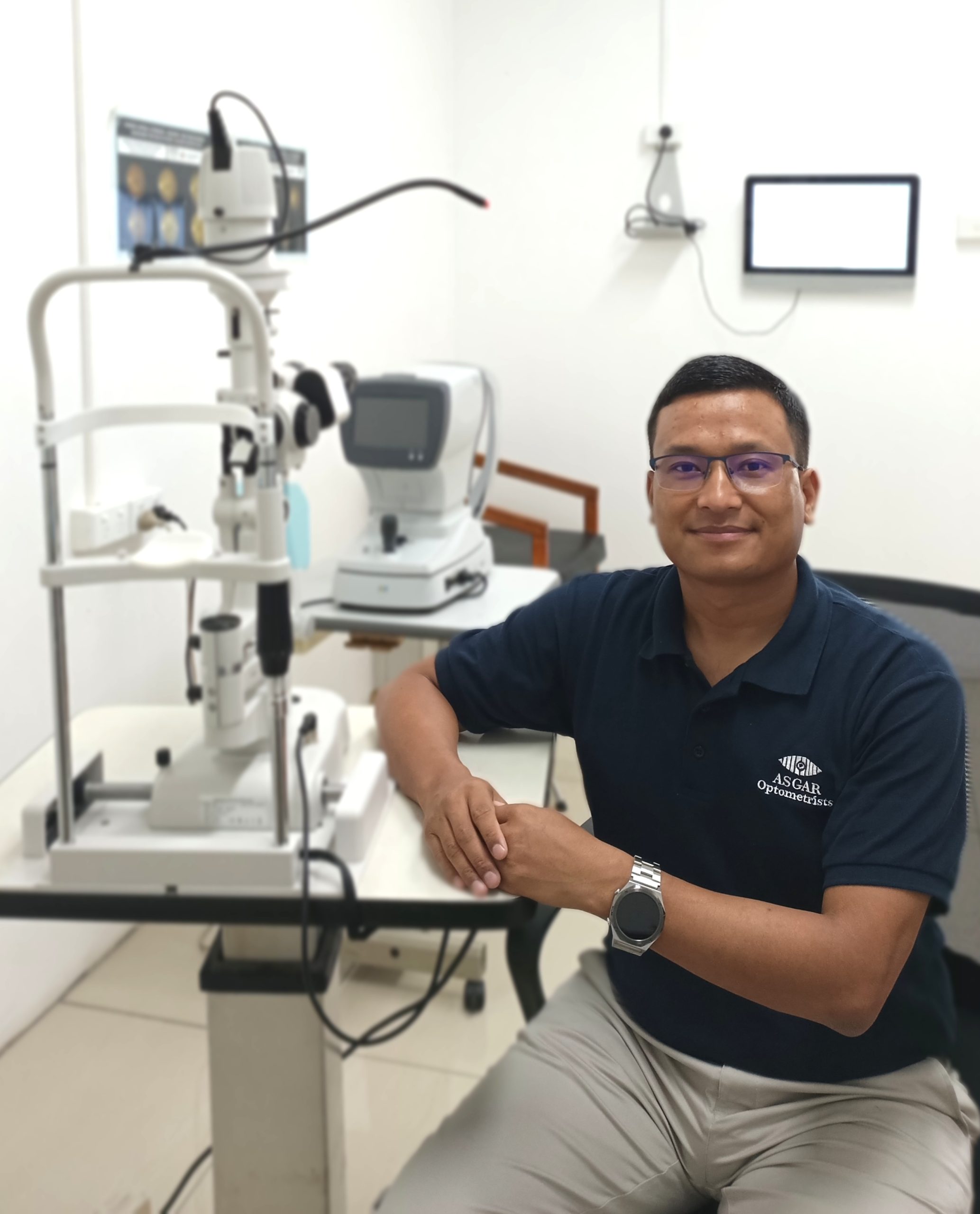
“Pink eye” is medically known as adenoviral conjunctivitis. It is a highly contagious eye infection that affects both children and adults. In Fiji, where warm, humid conditions and close community living are common, outbreaks of pink eye can spread rapidly, especially in schools, workplaces, and crowded communities.
Though usually not dangerous, adenoviral conjunctivitis can be extremely uncomfortable, disruptive, and in rare cases, cause complications if left untreated. Understanding what causes pink eye, how it spreads, and how to manage it is crucial for controlling outbreaks and protecting public health in Fiji.
What is adenoviral conjunctivitis (pink eye)?
Adenoviral conjunctivitis is an infection of the conjunctiva — the thin, transparent layer that covers the white part of the eye and the inside of the eyelids. The infection is caused by adenoviruses, the same family of viruses that can cause the common cold, sore throats, and respiratory illnesses.
Key symptoms:
- Redness in one or both eyes.
- Watery or sticky discharge.
- Gritty or burning sensation in the eyes.
- Swelling of eyelids.
- Light sensitivity.
- Blurred vision (in severe cases).
- Inflamed and painful lymph nodes near the ear when touched.
- A pseudo-membrane may form on the inner surface of the eyelid (conjunctiva).
Symptoms often begin in one eye and spread to the other within a day or two.
How dangerous is it?
Most cases of adenoviral conjunctivitis are mild and self-limiting, meaning they go away on their own within seven to 14 days. However, it is highly contagious and can cause:
- Widespread outbreaks in schools and workplaces.
- Prolonged discomfort and irritation.
- Keratitis (inflammation of the cornea) in more severe cases, which can lead to blurred vision or scarring if not managed properly
It is particularly risky for:
- Children in daycare or school settings.
- People with weakened immune systems.
- Health workers or caregivers in close contact with infected individuals.
How does it spread?
Pink eye spreads easily through:
- Direct contact with eye secretions (touching infected eyes and then touching objects or other people).
- Contaminated surfaces (towels, doorknobs, keyboards).
- Sharing personal items like eye drops, makeup, or pillowcases.
- Swimming pools.
Poor hygiene practices and lack of awareness can trigger its spread in communities.
Prevention: What can be done in Fiji?
To prevent outbreaks of adenoviral conjunctivitis, the following hygiene practices are strongly recommended:
1. Wash hands frequently with soap and water, especially after touching your eyes.
2. Avoid touching your face or eyes unnecessarily.
3. Do not share personal items such as towels, makeup, or sunglasses.
4. Disinfect surfaces regularly, especially in schools and public spaces.
5. Stay home from school or work if you are infected to avoid spreading the virus.
6. Avoid swimming in shared pools until fully recovered, as the virus can survive in water.
7. Avoid contact lenses until fully recovered.
8. Use disposable tissues when wiping your eyes and throw them away immediately.
Schools and workplaces in Fiji should be proactive in promoting eye hygiene and monitoring for outbreaks, especially during the colder and early hotter months, when viral infections tend to spike.
Management and treatment
There is no specific antiviral treatment for adenoviral conjunctivitis. Management focuses on relieving symptoms and preventing spread:
- Warm compresses can reduce discomfort and irritation.
- Wearing sunglasses can help reduce eye irritation from sunlight and bright lights.
* If you experience eye pain, eye lids swollen, vision changes, sticky and discharge eyes, or sensitivity to light, see an eye care professional. They may recommend some eye drops and further management.
The situation in Fiji
I have seen many patients in September 2025, mostly schoolchildren and office workers, which is common during this season. Public awareness, community education on eye hygiene, and early reporting of symptoms can significantly reduce transmission.
Conclusion
While adenoviral conjunctivitis (pink eye) is not usually dangerous, its contagious nature and potential complications make it a public health concern. Simple preventive measures like hand washing, avoiding eye contact, and staying home when sick, can protect individuals and communities. Public health education, early detection, and proper management are essential to stop the spread and keep Fijian schools and communities healthy.

