
As people live longer, maintaining good health in later years has become more important than ever. Among the many aspects of healthy aging, eye health is often overlooked until vision problems begin to interfere with daily life. Good eyesight plays a vital role in maintaining independence, safety, and quality of life. With the global population of older adults increasing, protecting eye health must become a priority for individuals, families, and communities.
Aging naturally brings changes to the eyes. Many people over the age of 40 notice difficulty reading small print, a condition known as presbyopia. While reading glasses can easily correct this problem, other age-related eye conditions can have a much greater impact on vision. Cataracts, glaucoma, age-related macular degeneration (AMD), and diabetic retinopathy are among the leading causes of visual impairment and blindness in older adults. The encouraging news is that many of these conditions can be treated or managed successfully if detected early.
Cataracts are one of the most common eye conditions affecting older people. They occur when the eye’s natural lens becomes cloudy, causing blurred vision, glare, and difficulty seeing at night. Cataracts usually develop gradually and may not initially affect daily activities. However, as they progress, they can significantly reduce vision. Fortunately, cataract surgery is one of the safest and most effective medical procedures available today, restoring clear vision for millions of people worldwide.
Glaucoma is often referred to as the “silent thief of sight” because it usually develops without noticeable symptoms in its early stages. The disease damages the optic nerve, often due to increased pressure inside the eye. Once vision is lost from glaucoma, it cannot be restored. However, early diagnosis through regular eye examinations and appropriate treatment with medications, laser therapy, or surgery can slow or prevent further vision loss.
Age-related macular degeneration affects the macula, the central part of the retina responsible for sharp, detailed vision. People with AMD may experience blurred central vision, making it difficult to read, drive, recognise faces, or perform close-up tasks. While there is currently no cure for advanced AMD, early detection, healthy lifestyle choices, and specific treatments for certain forms of the disease can help preserve vision for longer.
Diabetes also poses a serious threat to eye health. Diabetic retinopathy occurs when high blood sugar damages the tiny blood vessels in the retina. Many people may not notice symptoms until significant damage has occurred. Regular eye examinations, good blood sugar control, healthy blood pressure, and cholesterol management are essential to reducing the risk of vision loss among people living with diabetes.
Although aging itself cannot be prevented, many lifestyle choices can help maintain healthy eyes. A balanced diet rich in leafy green vegetables, colourful fruits, fish high in omega-3 fatty acids, nuts, and whole grains provide important nutrients that support eye health. Vitamins A, C, and E, along with zinc and lutein, have been associated with maintaining healthy vision.
Regular physical activity also benefits eye health by improving blood circulation and reducing the risk of conditions such as diabetes, high blood pressure, and heart disease, all of which can affect vision. Maintaining a healthy weight, avoiding smoking, and limiting excessive alcohol consumption further reduce the risk of developing serious eye diseases.
Protecting the eyes from harmful ultraviolet (UV) rays is another simple but effective preventive measure. Wearing sunglasses that block 100 per cent of UVA and UVB rays, along with a wide-brimmed hat when outdoors, can help reduce the long-term risk of cataracts and other eye damage caused by sun exposure.
Older adults should also take steps to reduce eye strain. Adequate lighting when reading, regular breaks from digital screens, and ensuring prescription glasses are up to date can improve comfort and vision. Simple home safety measures, such as good lighting, removing trip hazards, and using contrasting colours on stairs and steps, can also reduce the risk of falls caused by poor vision.
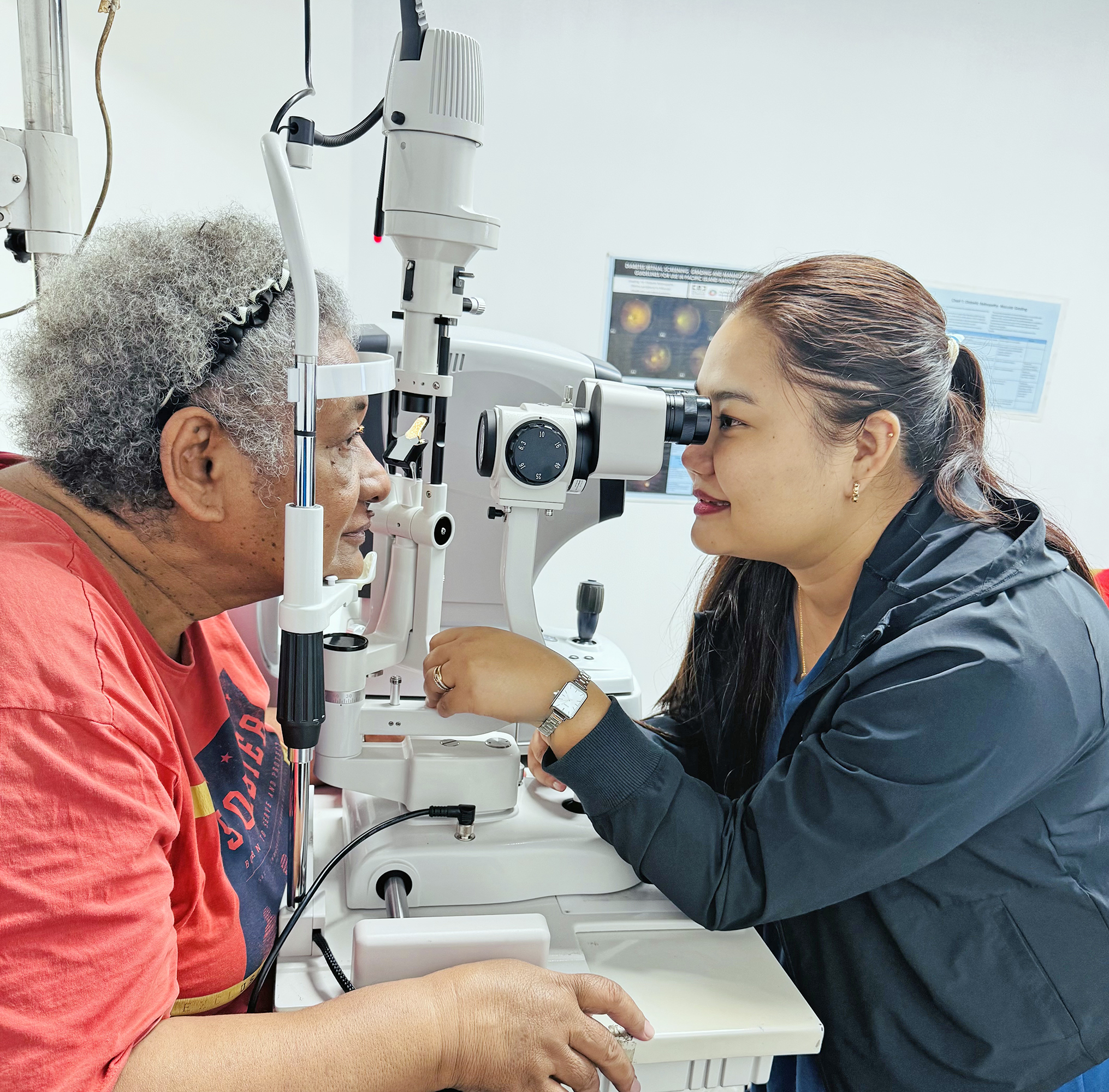
Perhaps the most important step in preserving eyesight is scheduling regular comprehensive eye examinations. Many serious eye diseases develop silently, without pain or obvious symptoms. Routine examinations allow eye care professionals to detect problems early, monitor changes over time, and begin treatment before permanent vision loss occurs. Adults over the age of 60, particularly those with diabetes, high blood pressure, a family history of eye disease, or previous eye injuries, should have regular eye check-ups as recommended by their eye care provider.
Families also play an important role in supporting the eye health of older relatives. Encouraging routine appointments, assisting with transportation to clinics, helping manage medications, and recognising early signs of vision changes can make a significant difference. Communities and healthcare providers can further support healthy aging by increasing public awareness about preventable blindness and improving access to affordable eye care services.
Healthy vision is essential for maintaining independence, mobility, and overall well-being throughout life. As our population continues to age, investing in eye health is an investment in healthy aging itself. Through regular eye examinations, healthy lifestyle choices, early treatment, and greater public awareness, many older adults can continue to enjoy clear vision and an active, fulfilling life for years to come. After all, preserving sight means preserving the ability to fully experience the world around us.

