
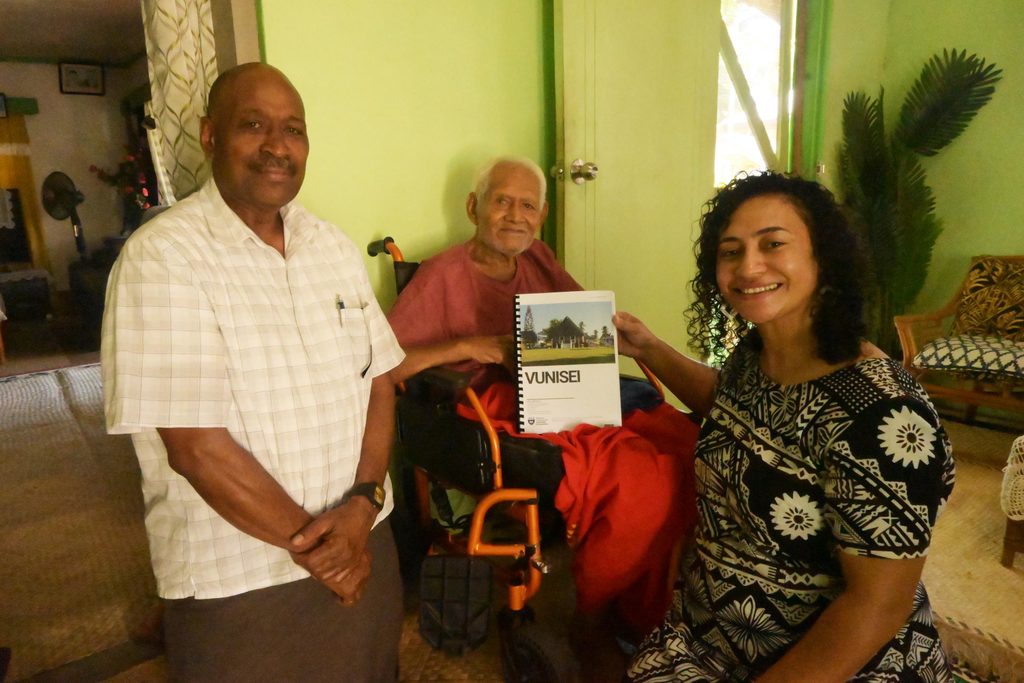
A research report documenting the traditional chiefly bure Vunisei was presented to the chiefly household of the late Tui Vuda, Ratu Eparama Tavaiqia, as part of an effort to preserve an important aspect of Fiji’s architectural and cultural heritage.
The findings were presented on July 6 by University of Auckland researcher and Pacific architecture expert Dr Charmaine Ilaiu Talei, with support from traditional leaders, local researchers, illustrators and Wayasewa builders from Namara Village.
Dr Talei said it was the first time Vunisei had been documented using architectural drawing methods and scientific knowledge.
“The report includes a building history of Vunisei, drone photographs of the site, architectural drawings and a number of high-quality photographs,” she said.
She said the research documented the building in detail, including its construction methods and architectural features, while using the Vuda dialect to identify and explain different architectural members.
“It’s very important for us that we present findings that are useful for our Fijian collaborators, something they can use to pass on to the next generation about maintaining and preserving the cultural knowledge of Vunisei,” Dr Talei said.
The report also includes photographs documenting the different types of magimagi used in the construction of the chiefly bure.
Dr Talei said the research team worked with Wayasewa builders to understand where building materials were sourced and how raw materials were transformed into materials suitable for construction.
She acknowledged the support of the Ministry of Agriculture and Fijian ecologist Dr Alivereti Naikatini, who assisted the research team with the scientific names of plants and the processes used to transform them into building materials.
“A lot of this knowledge is not common any more, and this is why this research was significant,” she said.
“Our buildings are endangered for many reasons, modernisation, climate change and natural disasters, so it’s important that we document this knowledge and have a good record of it so we can pass it on to the next generation.”
Dr Talei said the report would be available online as an open-access resource for people interested in learning more about the construction of the traditional chiefly bure Vunisei.
She said the open-access requirement also meant the research team had to carefully consider what cultural knowledge could be published.
“I have had to be very careful of the knowledge that the knowledge holders want to share.
“This is the reason, too, why we are presenting this report in case they want to pull back something and not include it because it will be open access, meaning you could just type in Vunisei and it will show up.”
She also thanked the Tui Sabeto, Ratu Viliame Mataitoga, for allowing the team to document the live construction of his chiefly bure, Erenavula.
Wayasewa builders were also involved in the construction of Erenavula, providing an opportunity for the team to further document traditional building knowledge and practices.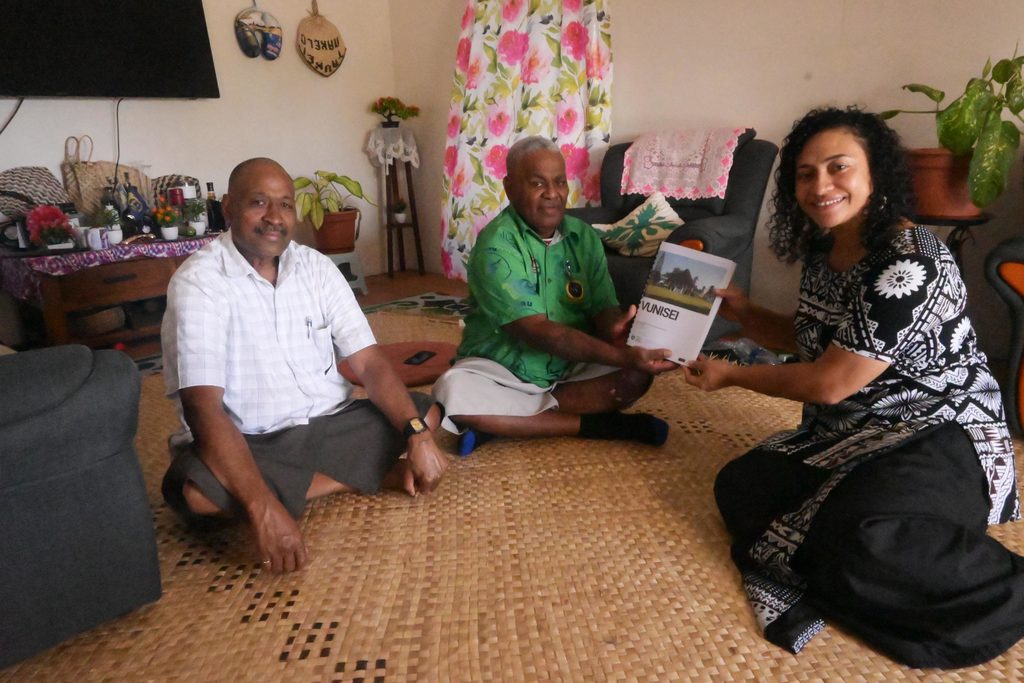
Taukei Nakelo Ratu Josaia Natakele, (green shirt) receives the report on the traditional chiefly bure Vunisei from Dr Charmaine Ilaiu Talei while Ratu Inoke Momoedonu looks on. Picture: SUPPLIED
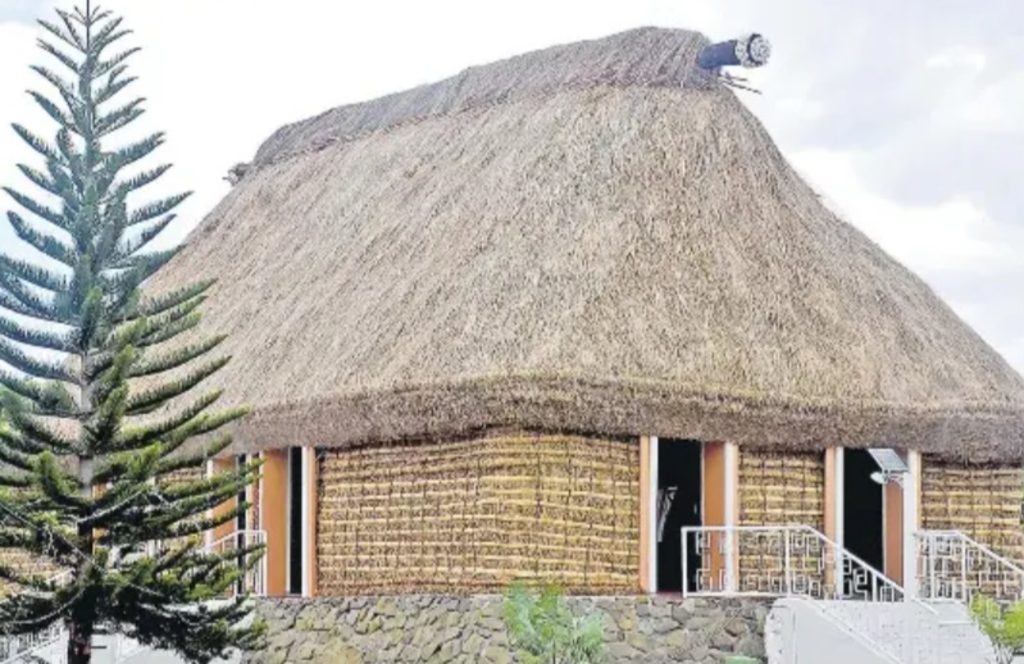
The chiefly bure Vunisei. Picture: FT FILE

