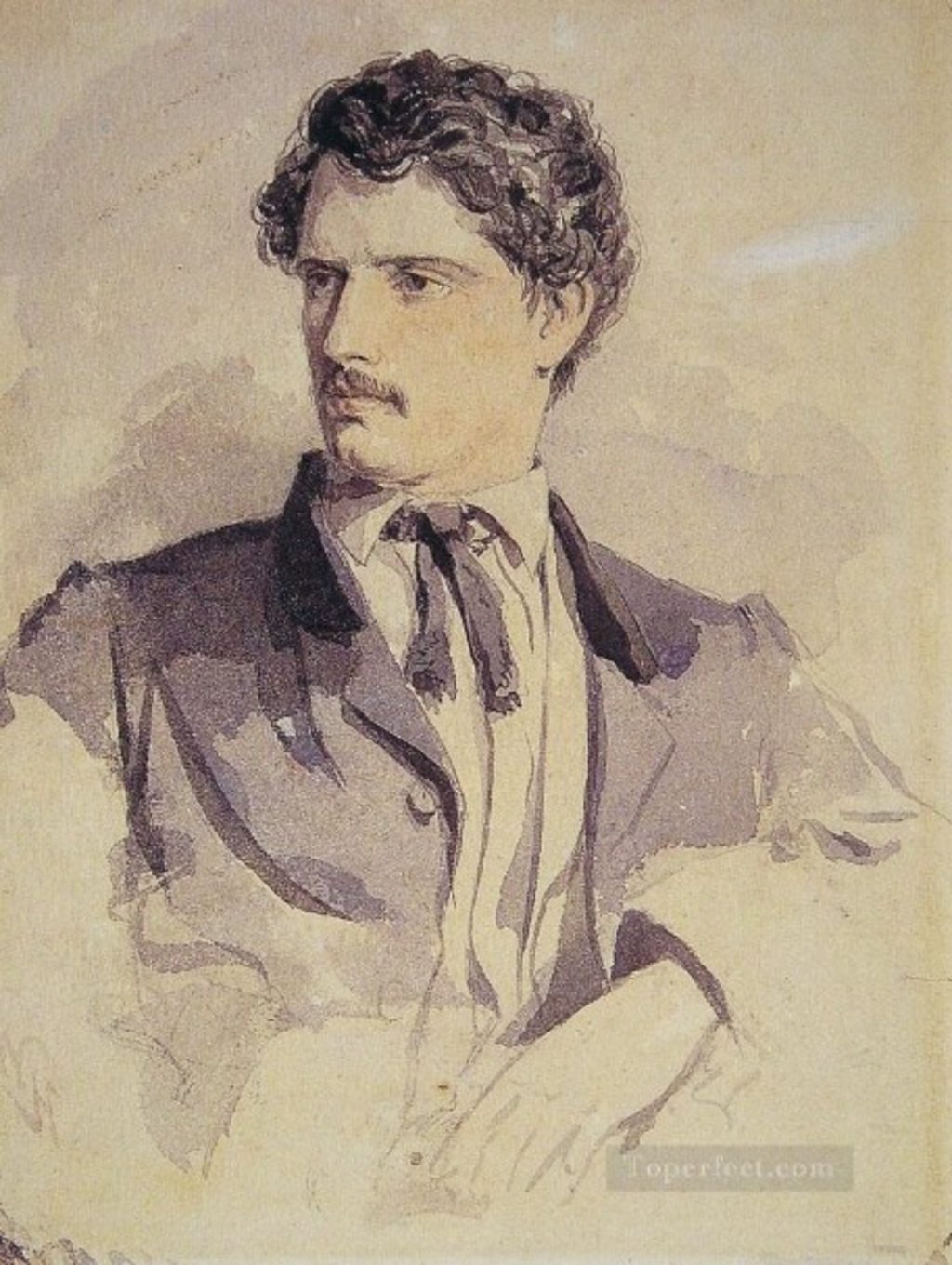
Previously, The Sunday Times touched on the arrival of the European adventurer Charles Savage (Seveti) in Bau after his stay in Nairai, where he wins the confidence of influential Fijian chiefs.
Recognising his knowledge of firearms, the Vunivalu of Bau, Ratu Naulivou, sends Savage and Daulakeba to Lau to obtain muskets, gunpowder and ammunition from a foreign vessel.
After successfully returning with the weapons, Savage demonstrates their power before the Vunivalu, who decides to launch an attack on the rival polity of Nakelo.
During the battle, Savage’s musket proves decisive.
His shots kill two chiefs and later a priest, causing panic and confusion among Nakelo’s defenders, who are unable to understand the new weapon.
Their resistance quickly collapses, leading to Bau’s victory and Nakelo’s surrender.
Following the conquest, Ratu Naulivou orders the destruction of the defeated community’s yam plantations and the removal of food crops to Bau.
Amid the celebrations, Savage requests that the dead be buried with dignity, highlighting a contrast between his humanitarian instincts and the harsh customs of Fijian warfare at the time.
As they were preparing to board the canoes once again, Savage approached the Vunivalu and pointed towards the heaps of corpses lying on the deck of one of the druas, saying,
“I ask that all these dead bodies be buried properly.”
However, Ratu Naulivou merely looked sternly at him, showing as little sympathy as one would for a small child, and replied:
“My warriors will not be denied the opportunity to celebrate and rejoice in this great victory. Many Bau warriors had previously been killed and eaten at Nakelo. But now the tide had turned.
“Such is the Fijian custom. Come, let us return on my canoe.”
Savage was pleased by this change of decision, especially since the corpses were not left to decay aboard the sacred canoe.
As all the canoes proceeded towards the river mouth at Navuloa, Savage noticed that the bodies of the dead had been immersed in water so that they would not rot in the heat of the sun.
He very much wanted to discuss with the Vunivalu the battle that had just taken place at Nakelo. However, Ratu Naulivou remained deep in thought, and Savage did not wish to disturb him. As he watched him, Savage’s own thoughts raced far into the future, imagining the hardships, the bloodshed, and the victories that would come in many more battles in the years ahead.
As if it had always been his hidden ambition and heartfelt desire, Savage realised that he and the Vunivalu shared the same aspiration—to gain glory through the conquest of lands.
A clash of pride
The other occupants of the sacred canoe, together with those in the other canoes, busied themselves boasting about their exploits during the battle at Nakelo.
Each man exaggerated the number of enemies he had slain, proudly recounting his own deeds and proclaiming them to those around him. Some spoke of warriors already well known, while others embellished their stories so that, by the time they reached their villages, they would be celebrated as even greater heroes.
All this boasting and self-praise irritated Savage, because each man spoke only of his own achievements and none acknowledged that the defeat of Nakelo had been made possible only by his firearm.
Savage suddenly stood up and interrupted the warriors as they continued their boasts aboard the sacred canoe.
“What are you all boasting about?” he demanded. “If it were not for my firearm, do you think you could have defeated Nakelo?”
One warrior replied forcefully,
“The people of Nakelo fell by our clubs.”
Savage answered immediately,
“And what caused them to fall first, so that you were able to strike them down?”
“They feared us, the warriors of Bau! That is why they fell.”
Savage wanted to continue arguing, but it became pointless because they kept offering one explanation after another, accompanied by boastful remarks intended to silence him.
The Swede remained calm for a moment. Then he picked up one of his loaded firearms and aimed it directly towards the group, preparing to fire.
Like the crack of lightning came the command of Ratu Naulivou, stopping Jale just as he was about to pull the trigger. The Vunivalu then spoke sharply, and the Bau warriors immediately fell silent, bowing their heads in fear and respect.
Ratu Naulivou said,
“If any one of you wishes to challenge this man, wait until we reach Bau.
He shall carry his firearm, and whoever challenges him may carry only a club.
Who among you is prepared to challenge him?”
Not one of them spoke. No one dared answer the Vunivalu’s words.
The Vunivalu’s protection
After Nakelo had surrendered, Ratu Naulivou had ordered that the destruction of the plantations continue. Now, as the Bau warriors journeyed home, they no longer argued with Savage about who had killed the most enemies.
From the manner in which the Vunivalu defended him before his own men, it became clear to Savage that Ratu Naulivou had not forgotten the immense service he had rendered to Bau in bringing about the conquest of Nakelo.
Savage’s anger quickly disappeared, and he lowered his firearm.
He reflected that if Ratu Naulivou truly recognised the value of both him and his firearm, then he could tolerate all the jealousy shown by the Bau warriors.
Although their envy remained strong and each continued to boast of his own courage, none dared openly defy him while the Vunivalu was watching. No one was bold enough to oppose him face to face, for they knew that doing so would almost certainly cost them their lives.
Ratu Naulivou’s authority was immense, just as Charles Savage’s (Jale Seveti) boldness was equally remarkable.
The historical insights above were compiled with information from series of articles written by Viliame Ravai, senior reporter for the Nai Lalakai publication.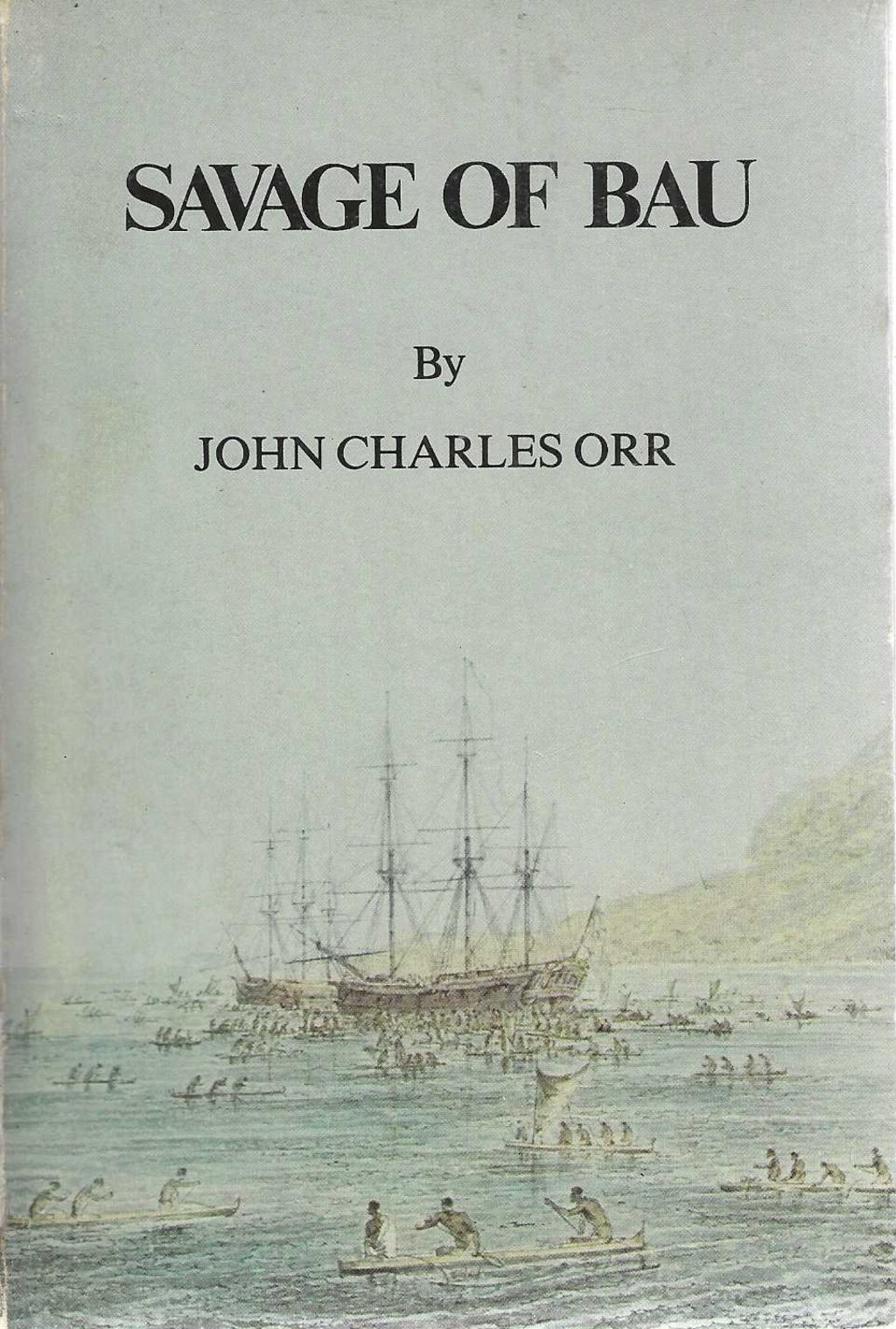
The book Savage of Bau. Picture:WWW.ABEBOOKS.COM