The Centre for Democracy and Dialogue (CDD) has supported proposed changes to candidate eligibility and accessibility rules under the Electoral (Amendment) Bill 2026, but has raised serious concerns about the use of mobile phones and other electronic devices inside polling stations.
The concerns are contained in the CDD’s submission on Clauses 5 to 11, which cover continuing candidate eligibility, objections, accessibility measures and the reclassification of several electoral offences.
The CDD supports Clause 5, saying it closes a gap by requiring nominated candidates to continue meeting statutory eligibility requirements.
However, it said the Bill should clearly establish who is responsible for monitoring continuing eligibility, what information can trigger a review, what notice must be given to a candidate and how an eligibility decision can be challenged.
“Because a finding of ineligibility may remove a person from electoral competition, procedural fairness should be explicit,” the CDD said.
The organisation also supported removing the requirement for a statutory declaration when lodging an objection, saying this could reduce an administrative and financial barrier.
However, it said legislation should retain an effective mechanism for dealing with knowingly false or malicious objections.
The strongest concerns were raised over Clause 9, which deals with electronic devices inside polling stations.
The proposed amendment would create an exemption for “assistive learning or speaking devices” from the existing prohibition on mobile phones, cameras and other electronic devices.
The CDD said the exemption requires tighter drafting because it is not expressly limited to voters who require the device because of a disability or communication need.
It warned that a broadly worded exemption could unintentionally allow electronic devices to be used in ways that compromise ballot secrecy and the integrity of the polling environment.
The CDD said modern mobile phones can photograph, record audio and video and instantly transmit information.
“It would be particularly risky to permit voters, polling agents or other persons to use mobile phones inside a polling station,” the organisation said.
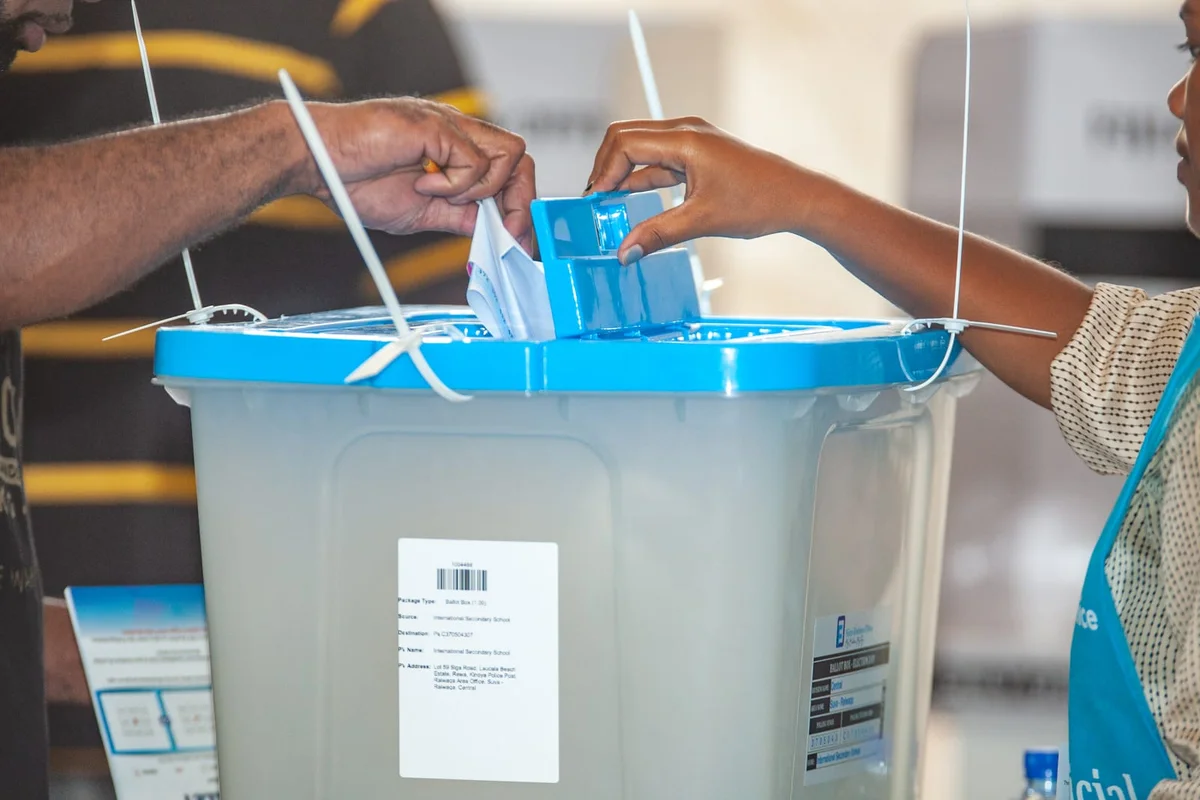
It warned that mobile phone use could create opportunities to photograph ballot papers, record voting activity, communicate information from inside polling stations or otherwise undermine the secrecy and controlled nature of voting.
The CDD is therefore recommending that any exemption be strictly limited to genuine assistive use by the voter concerned, under the supervision of the presiding officer.
It also wants an express prohibition on photographing, recording or transmitting a marked ballot or other voting-related information.
The organisation further recommended that the offence reclassifications contained in Clauses 6, 8, 10 and 11 ultimately be incorporated into the consolidated electoral offence framework it has proposed.
The CDD said the Bill should retain its objectives on candidate eligibility and accessibility but introduce clearer decision-making and review procedures.
Its recommendation is that the existing prohibition on electronic devices inside polling stations be preserved, with only narrowly defined assistive exceptions.
“Allowing voters, polling agents or other persons to use mobile phones inside polling stations would create an extremely serious risk to ballot secrecy and the integrity of the polling environment,” the CDD said.
It said the capacity of modern devices to photograph, record and transmit information instantaneously made strict controls necessary.