
Lupus is placing a growing burden on patients and the healthcare system in Fiji, prompting calls for stronger specialist services, earlier diagnosis, and greater public awareness.
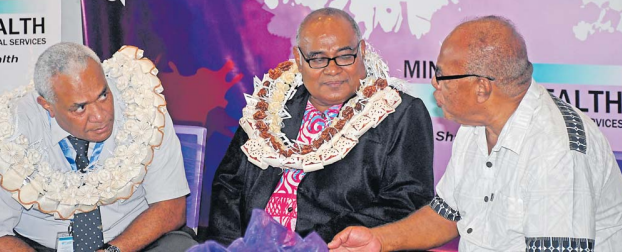
Speaking at the World Lupus Day celebration at the Albert Park Pavilion in Suva yesterday, Dr Maika Kama, the National Advisor for Communicable Disease at the Ministry of Health, said lupus is not just a medical condition but a life-long journey that affects individuals, families, workplaces, and communities.
Lupus is a chronic autoimmune disease in which the immune system attacks the body’s own tissues and organs.
“We need to look at it from the outside, the immune system that is attacking the vital organs, such as the kidneys, the brain, the heart, the lungs,” Dr Kama said.
“Because of the compaction of the focus, it is not just a medical condition, it is a life-long journey that affects individuals, families, workplaces, and communities.”
Dr Kama said while Fiji had made important progress in tackling non-communicable diseases, autoimmune diseases such as lupus also needed greater recognition within the national health system.
“Specialist care is not a luxury. It is a necessity and valuable tool to develop care.”
He acknowledged the role played by the Lupus Foundation of Fiji in advocating for patients, improving public education and working alongside the Ministry of Health.
Dr Kama also highlighted continuing challenges faced by patients outside Suva, saying delays in diagnosis and treatment could lead to severe complications.
“As a ministry, we are committed to strengthening early detection and referral pathways across all divisions, expanding clinical capacity beyond the central division, and providing continuous training for frontline medical workers so early warning signs of lupus are recognised.”
He said the ministry would continue prioritising specialist training, improved diagnostic services and better access to essential medicines for lupus patients nationwide.

