
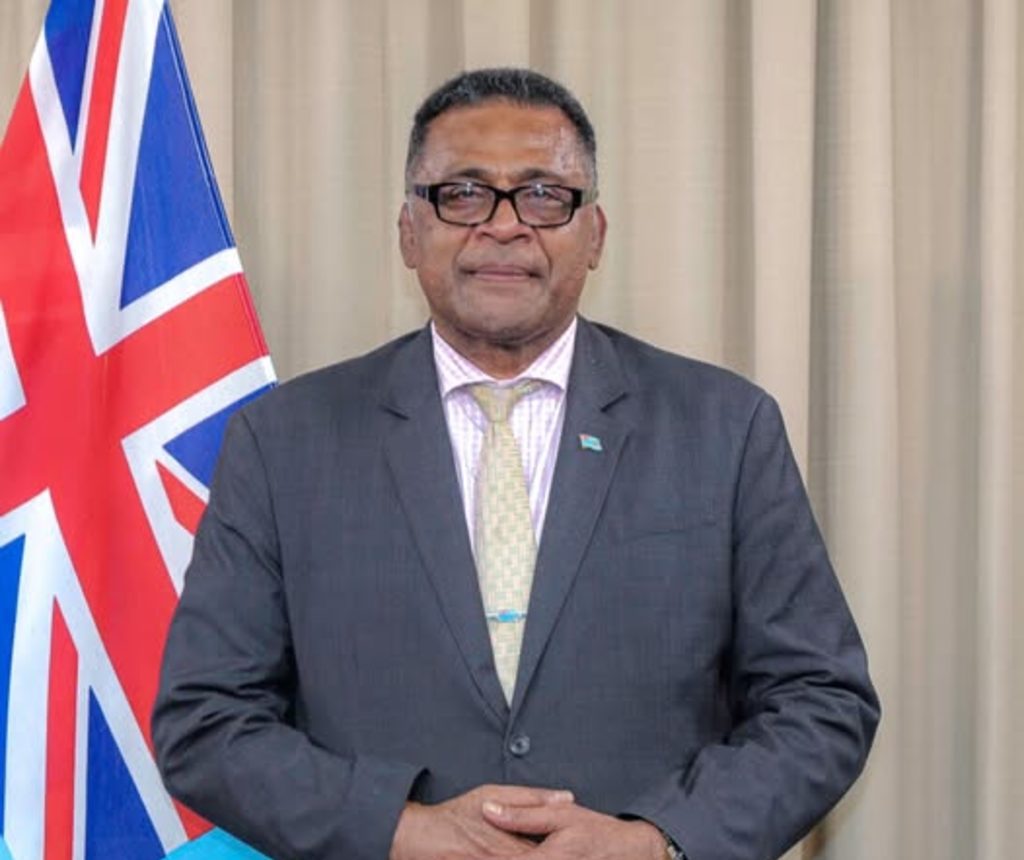
Finance Minister Esrom Immanuel says the 2026-2027 National Budget marks the beginning of a long-term strategy to restore fiscal discipline while significantly increasing investment in infrastructure to support economic growth.
Presenting the Budget in Parliament, Mr Immanuel said the Government had maintained total expenditure at around $4.87 billion, broadly in line with the current financial year, despite accommodating more than $200 million in additional spending.
“Following these cost control measures, and after accommodating additional expenditures of over $200 million, we are still maintaining overall expenditures at around $4.87 billion in the 2026-2027 Budget, similar to the current year Budget.”
He said the increase represented less than one per cent, placing real government expenditure, after adjusting for inflation, on a downward trajectory.
“This downward trajectory is important to correct our fiscal imbalances.”
Mr Immanuel said expenditure restraint would need to continue over the medium term, with the Government committed to preventing operating expenditure from rising above the $3.99 billion allocated in the new Budget.
“In fact, Mr Speaker Sir, if possible, we need to reduce our operating expenditures in nominal terms in the years ahead.”
The Finance Minister acknowledged that achieving this would require difficult national decisions and bipartisan political support.
He said any major reduction in operating spending would involve reviewing the size of the civil service and wider public sector, levels of social spending and social wages, funding for the sugar industry and overall government operations.
Alongside expenditure restraint, Mr Immanuel said the Government was shifting its focus towards capital investment to strengthen Fiji’s long-term productive capacity.
He announced that work had already commenced on four major capital projects covering the health sector, road infrastructure, water and wastewater services, and flood alleviation, with a combined value of more than $2 billion over the next four to five years.
The Minister said financing agreements worth $1.5 billion had already been secured with development partners, while negotiations for the remaining $500 million flood alleviation package were at an advanced stage.
Beyond these projects, Mr Immanuel revealed plans for major investments in renewable energy, port redevelopment and airport expansion, with preparatory work well advanced.
He said these projects would have a combined value of more than $5 billion and would largely be delivered through state-owned enterprises with Government support and guarantees where necessary.
Mr Immanuel stressed that successful capital investment required more than simply allocating funding.
“It requires proper planning and preparation. It requires getting the right capacity, people and contractors to get the projects implemented.”
He said successful delivery would also depend on close collaboration with international development partners, including the World Bank, Asian Development Bank, Asian Infrastructure Investment Bank, Japan International Cooperation Agency, and the Australian Infrastructure Financing Facility for the Pacific, to complete due diligence, feasibility studies and project planning before financing is approved.

