
Developed and high-emitting nations are resisting responsibility for their role in the climate crisis.
This challenge has become evident at COP30, with countries including Turkey, Saudi Arabia, and Russia, along with other major oil and gas producers, pushing back against Pacific priorities in the negotiations.
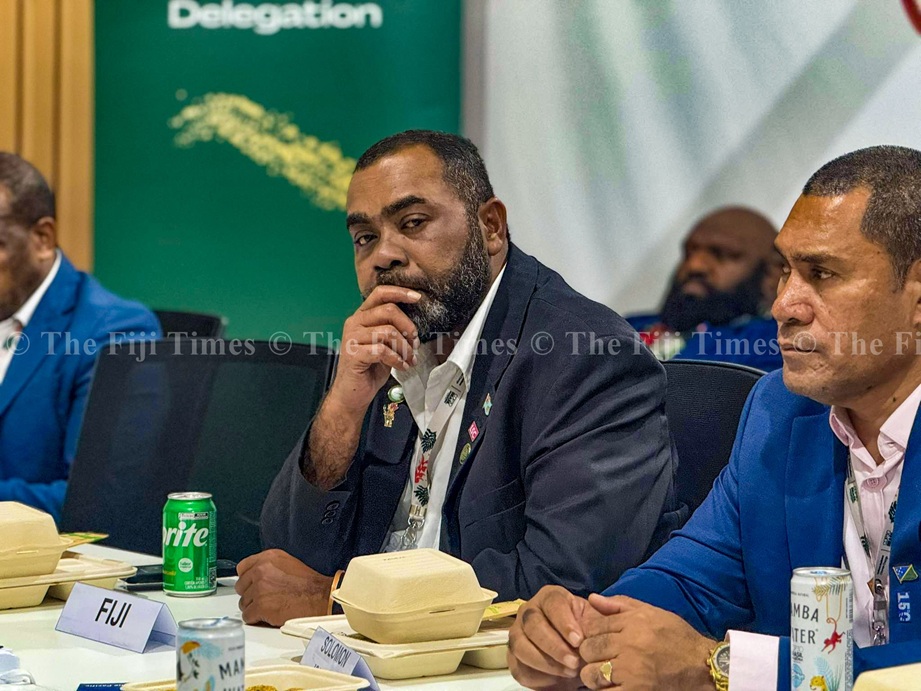
Speaking on Fiji’s progress at the conference, Minister for Environment and Climate Change Mosese Bulitavu said while negotiations were moving forward, adaptation remained the main focus for the Pacific region.
“We’ve got a few achievements that will be announced after COP when it comes to closure, with some other achievements that will be determined, in terms of indigenous rights and other things,” Mr Bulitavu said.
He said larger nations, particularly major emitters with access to significant finance, were reluctant to compensate countries most affected by climate change.
“It’s always the case, the bigger nations … they don’t want to compensate their actions to those that are feeling the brunt of the effects of climate change due to the emissions they are releasing.”
Despite these challenges, Mr Bulitavu said it was important to continue negotiations and amplify the Pacific’s voice.
“We can only continue to negotiate when it comes to this level, and at the same time, try to edify our voice.
“Hopefully, there will be a time when they will come to realise the effects of climate change in the Pacific,” Mr Bulitavu said.

