
EVERY year on July 14, France celebrates Bastille Day, its national holiday, commemorating one of the most significant events in the country’s history the storming of the Bastille prison in Paris in 1789.
The day marks the beginning of the French Revolution and symbolises the triumph of liberty, equality, and the people’s fight against oppression.
Originally built in the 14th century as a medieval fortress, the Bastille later became a state prison under the Bourbon monarchy.
According to britannica.com, it housed political prisoners as well as individuals detained by royal order without the right to appeal.
Among its most famous inmates were philosopher Voltaire, the Marquis de Sade, and the mysterious prisoner known as “The Man in the Iron Mask.”
Although prisoners of noble rank often lived in relatively comfortable conditions, the Bastille became a powerful symbol of the monarchy’s absolute authority and the injustices of the old regime.
By the late 18th century, the prison held very few inmates and was even scheduled for demolition.
However, public anger toward the monarchy was reaching a breaking point. On 14 July 1789, a crowd of Parisians marched to the Bastille seeking the weapons and ammunition stored inside.
When the fortress’s defenders resisted, the crowd stormed the prison, capturing it and freeing the seven prisoners being held there.
Although only a handful of prisoners were released, the fall of the Bastille carried enormous symbolic importance.
It marked the collapse of royal power and became the defining moment that launched the French Revolution, paving the way for sweeping political and social change across France and eventually inspiring democratic movements around the world.
More than 90 years later, in 1880, 14 July was officially declared France’s national holiday.
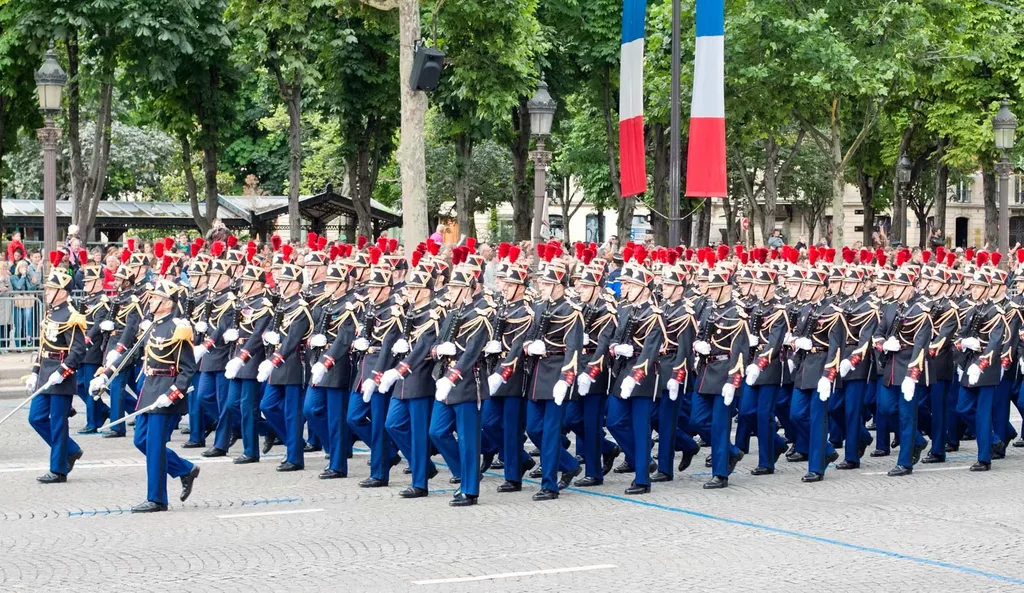
Since then, Bastille Day has been celebrated with patriotic ceremonies, military parades, spectacular fireworks, concerts, and community gatherings.
The famous military parade along the Champs-Élysées in Paris remains one of the largest and most recognised national celebrations in the world.
The slogan “Vive le 14 juillet!” (“Long live the 14th of July!”) continues to capture the spirit of the occasion, celebrating freedom, unity, and national pride.
Bastille Day is also observed in several French overseas territories and former French colonies that maintain close cultural ties with France.
In French Polynesia, for example, the celebrations blend French traditions with local customs, featuring weeks of singing, dancing, drumming, and cultural competitions throughout July.
Beyond France, Francophiles around the world mark the occasion by enjoying French cuisine, attending concerts of French music, participating in cultural festivals, or simply celebrating France’s rich history and heritage.
Today, Bastille Day serves not only as a reminder of a pivotal moment in French history but also as a celebration of the enduring values of liberty, equality, and fraternity that continue to define the French Republic.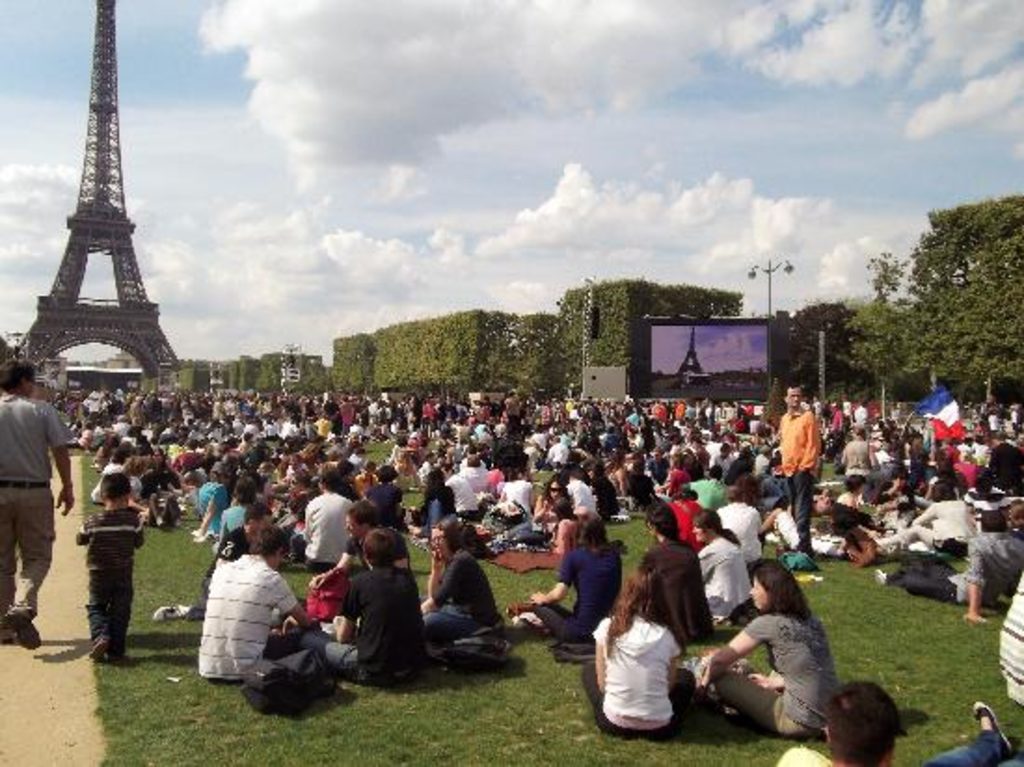
Bastille day mass picnic on the Champ de Mars in France.
Picture: tripadvisor.com

