For more than two decades, a traditional song of the vanua of Labasa had fallen silent.
It was not because the words had lost their meaning or because the melody no longer mattered. Rather, time had slowly pushed the traditional yaqona song to the background until many believed it had disappeared forever.
But deep within Navakuru Village, the song had never truly died.
It had lived quietly in the memories of elders who continued to practise it, preserving every word through oral tradition while waiting for the day it could once again echo through a chiefly yaqona ceremony.
That day finally arrived during the revival of Labasa’s Yaubula Day. For the first time in more than 20 years, the traditional yaqona song known as Cila na Siga Va Vula Lima was performed once again before the vanua of Labasa, restoring a treasured cultural practice that many thought had been lost.
For Tui Labasa, Ratu Jone Qomate, the moment was far more than a ceremonial performance. It was the return of an important piece of the vanua’s identity.
“After more than two decades, the traditional yaqona song performed during the yaqona ceremony of the vanua of Labasa has been revived,” he said.
“For many years this important cultural song had not been performed in Labasa, and many people believed it had been forgotten.”
The revival began unexpectedly during one of Ratu Jone’s visits to Navakuru Village. While visiting, Ratu Jone was surprised to hear familiar rhythms and lyrics being practised.
The elders had quietly continued to preserve the song despite it no longer being performed publicly during traditional ceremonies.
“What surprised me most was discovering that the elders and villagers were still practising the song. The song had been carefully preserved through oral tradition.”
Recognising its cultural significance, Ratu Jone ensured every verse was written down.
For generations, the lyrics had existed only through memory, passed from one elder to another. He said writing them down was an important step in protecting them from being lost forever.
“We took the time to write down all of its lyrics so they could be safeguarded for future generations,” he explained.
Like many Indigenous traditions across the Pacific, the song had survived because of the commitment of elders who understood that culture is carried not only through written records but also through voices and ceremonies. For Ratu Jone, the revival of Yaubula Day presented the perfect opportunity to return the song to its rightful place. Yaubula Day celebrates the perseverance of culture.
“With the revival of Labasa’s Yaubula Day celebrations, I believed it was the perfect opportunity to bring this treasured tradition back to life,” he said. “It was an occasion that celebrated not only our natural environment but also our rich cultural heritage.”
However, the revival, he said, did not happen overnight.
“As preparations began, one of the biggest challenges was encouraging young men to take part in learning the traditional yaqona song,” Ratu Jone recalled.
“Many had never seen it performed before and were unfamiliar with its significance. Convincing them to set aside time for rehearsals and develop an interest in an old ceremonial practice proved difficult.”
Ratu Jone said rebuilding the tradition required patience and persistence. “We had to explain why it was important and why it deserved to be preserved.”
Once the group was assembled, another challenge emerged. Mastering the song and its accompanying lalakai movements was no easy task.
The lalakai is the traditional rhythmic beating performed with the hands during the yaqona ceremony.
It accompanies the ceremonial song, helping to maintain its rhythm and guide the performance.
The lalakai is an important part of the ceremony, adding dignity and authenticity to the traditional protocol.
A member of the chiefly family led the lalakai, the rhythmic hand movements that accompany the traditional yaqona song.
With raised hands and carefully timed movements, he guided the performance exactly as generations before him had done. His leadership restored an important ceremonial element that had not been witnessed for many years.
“During the yaqona ceremony, the traditional song was performed with great pride and respect,” Ratu Jone noted.
“A son of my chiefly family, Ratu Roqica Qomate, led the rhythmic hand movements known as the lalakai. His raised hands and rhythmic beat guided the performance and added authenticity to the ceremony.
“It was a proud moment to witness this traditional practice being performed once again after so many years.”
- Next week we look deeper into the traditional song’s lalakai.
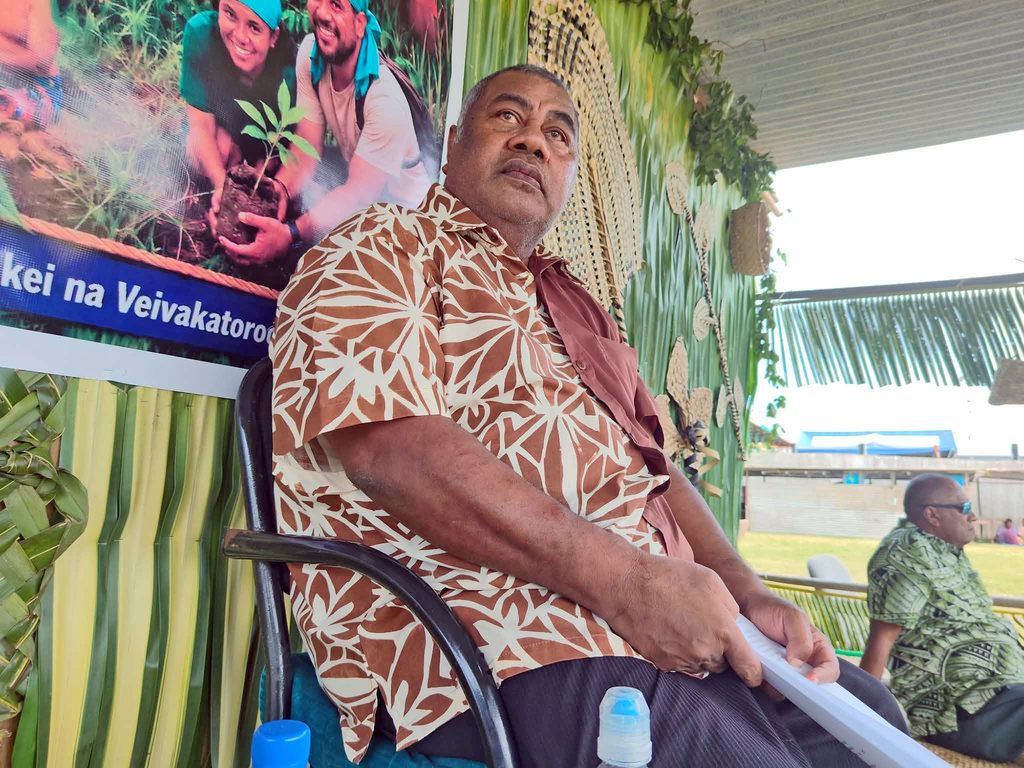
Tui Labasa Ratu Jone Qomate during the Yaubula Day celebration at Subrail Park. Picture: NACANIELI TUILEVUKA
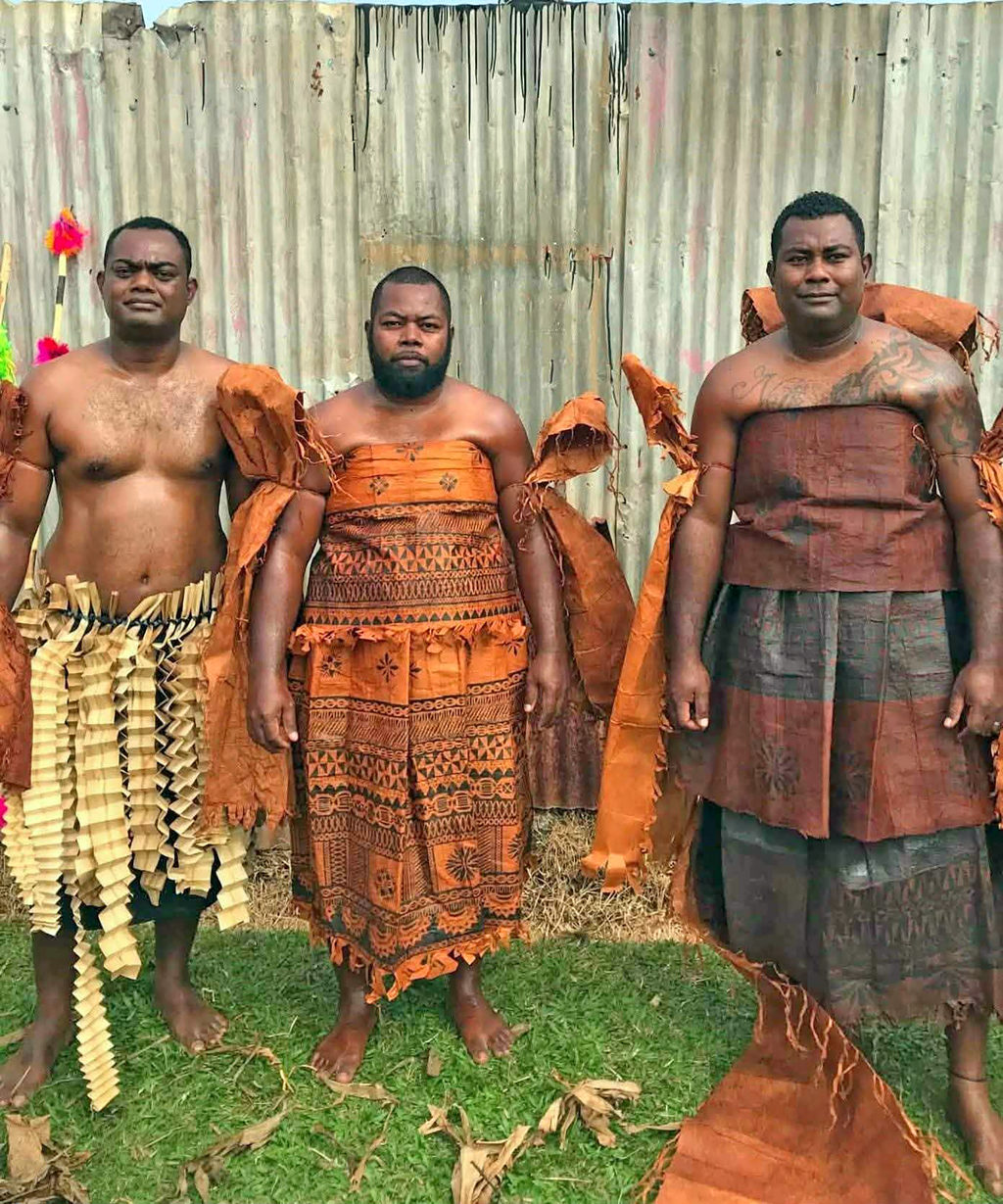
Ratu Roqica Qomate, Ratu Joji Qomate and Ratu Kelepi Qomate during the Yaubula Day of the vanua o Labasa. Picture: NACANIELI TUILEVUKA