
In 1997, a Bill proposing compulsory voting and voter registration was sent to the Supervisor of Elections.
The Fiji Times reported on November 14, 1997, that the Supervisor of Elections office and the Electoral Commission were set to embark on a public awareness campaign on the new voting system in early 1998.
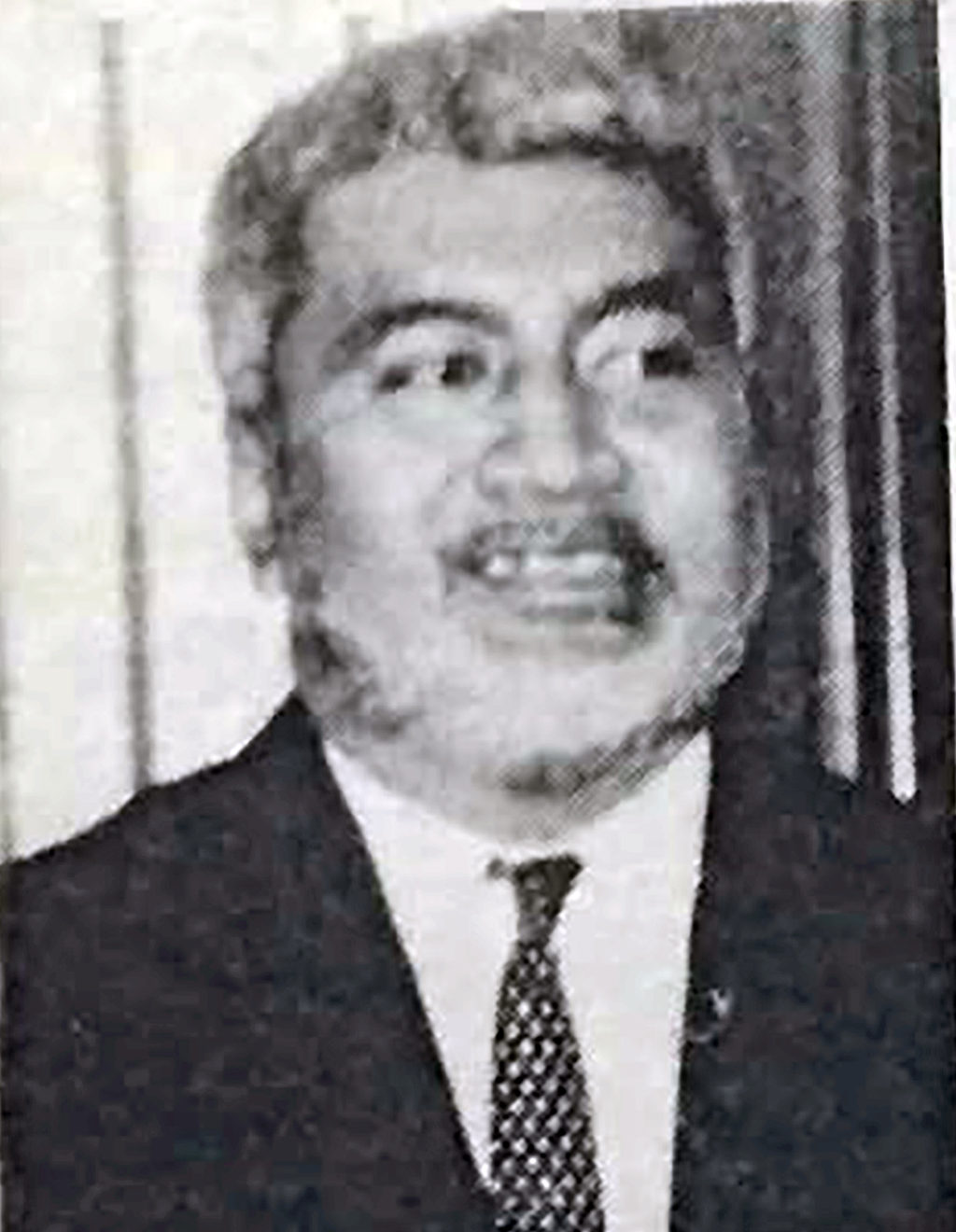
The timing of the campaign would depend on the passing of the Electoral Bill 1998, which was expected to happen early the following year, Supervisor of Elections Walter Rigamoto said.
The Bill encompassed existing electoral laws and changes under the Constitution Amendment Act, including the new voting system, communal and open seats, compulsory voter registration and voting, and sanctions.
Mr Rigamoto said people who did not register to vote were liable to pay the maximum fine specified in the draft Bill.
He hoped to receive population statistics to allow the Constituency Boundaries Commission to divide the country into 46 communal seats and 25 open seats.
The recently appointed Electoral Commission was headed by Suva barrister Barrie Sweetmen. The other members were Dr Vijay Naidu and Adi Kesaia Seniloli.
Mr Rigamoto said the Boundaries Commission had set August as the deadline to complete all its work, although this was not a statutory requirement.
He said they then had to allow for the registration of all voters, which took about six months.
One of the options would be to allow voters to register from early 1998 while the work of the Boundaries Commission was being carried out.
“But the question is how do we transfer the names of registered voters to their correct constituencies?” Mr Rigamoto said.
He said a cut-off date for voters who turned 21 during the year would be finalised later.
The new voting system was based on the Australian model and would prove to be a better system, he added.
Under the alternative voting system, each voter was expected to number rather than tick the candidates in the order of preference.
The candidate who got more than 50 per cent of valid first-preference votes was declared elected. If no candidate secured 50 percent or more, the one with the fewest votes was eliminated.
The second preference in the eliminated candidate’s ballot papers was then counted until there was a clear majority.
This meant the candidate trailing behind two or three other candidates could be declared elected through the elimination process.
The purpose of the alternative voting system was to secure the election of the candidate with the support of the majority of voters. Mr Rigamoto said his office would focus on voter registration, the work of the Electoral and the Boundaries Commissions, and preparations for the next general election.
“One of the things I’ve learnt is the importance of voting. People should vote and that’s something I can’t stress enough.”
Prime Minister Sitiveni Rabuka said the general election would be held in 1999.

