An article published by The Fiji Times on Sunday, April 12, 1998, reported that the Public Rental Board (PRB) had assured its tenants at Raiwaqa that relocation — not displacement — would be the course of action for those unable to meet rental arrears.
Tenants were informed that eviction would only be considered after all avenues of negotiation were exhausted.
“We have the welfare of the tenants at heart,” said PRB general manager Solomoni Naivalu.
Under the original agreement established during the Housing Authority’s administration, tenants were required to pay a weekly deposit of around $9. However, since the PRB assumed control in 1991, rental payments had increased to $20 per week, a rate many tenants struggled to maintain.
Mr Naivalu revealed that at least 300 applicants were on a waiting list for PRB flats, many of whom were capable of meeting rental obligations. At the same time, several current tenants — some of whom had lived in the Raiwaqa flats for over 25 years — continued to face financial hardship.
He said tenants who were unable to afford current rents could be assisted in relocating to more suitable and affordable housing.
“They would be paying twice under the open market price for a two-bedroom flat,” Mr Naivalu said, estimating such rentals at an average of $280 per month.
Rental arrears for two-bedroom flats in one Raiwaqa suburb alone stood at approximately $4000. Despite this, the PRB remained committed to resolving issues through dialogue.
“They have to say yes first before we relocate them.”
Each case, he added, would be handled individually, with the interests of tenants as a priority.
The board continued meeting with Raiwaqa residents to address grievances and work toward amicable solutions, while field officers were dispatched to other estates facing similar arrears issues.
“Eviction of tenants will only be carried out as a last resort; until then, we are willing to negotiate.
“We allow people to talk to us individually.”
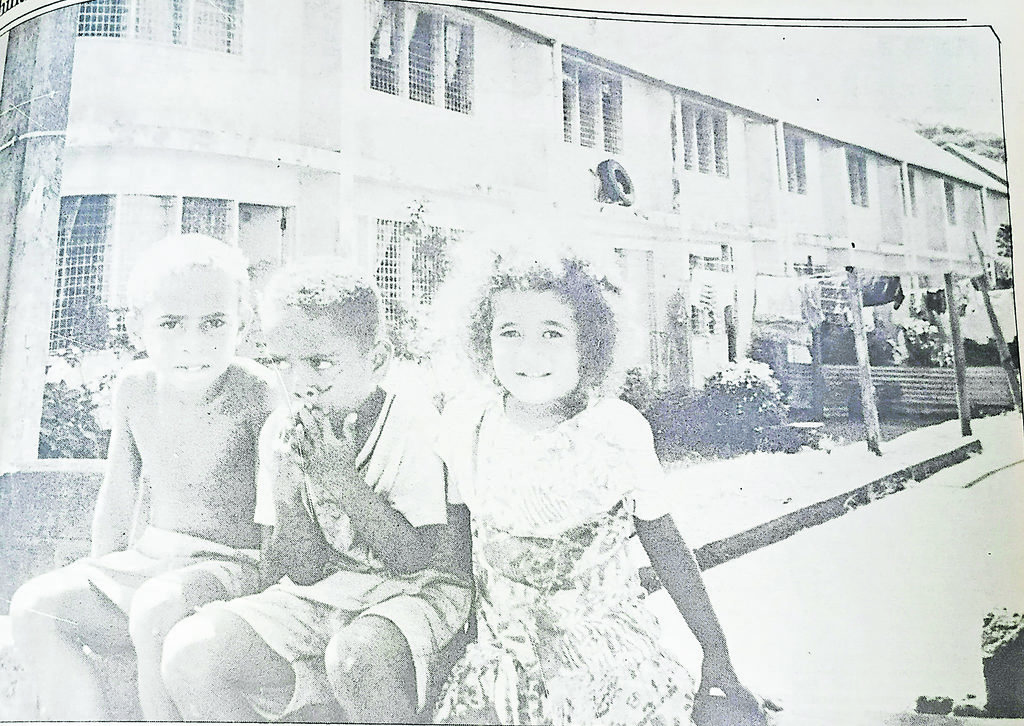
Of the 72 tenant families in the Raiwaqa flats, only nine were able to meet the board’s rental requirements.
Mr Naivalu noted that around 12 flats became available each month across various estates and could be used to facilitate relocation where necessary. He emphasised that tenancy agreements had been breached when tenants failed to meet payment obligations.
“We have an obligation to the board, and we intend to live up to it.”
The PRB managed approximately 1700 flats across 24 estates nationwide and was responsible for maintenance and payment of Crown land rates. Mr Naivalu said many tenants did not realise the costs involved in maintaining the flats and surrounding areas, which placed the board under financial strain due to low returns.
Demand for low-cost housing continued to rise, with about 3000 applicants shortlisted at the time.
“That could just be the tip of the iceberg.
“We are now hoping to continue with a larger number of units because of the big demand.”
The PRB targeted middle- to low-income earners, assessing each application on its merits.
Mr Naivalu also dismissed reports of mass evictions.
“If we were to move a family out, we would ensure their location elsewhere.”
The board had 41 low-cost one-bedroom duplex units available for relocation — 25 in Raiwaqa and 16 in Raiwai — which were expected to be opened within a week.
“We will be giving first options to tenants facing difficulties.”
For the previous two years, the PRB had operated without government assistance, which had averaged $328,000 annually. Rising urban migration to centres such as Suva and Lautoka had further contributed to increased demand for affordable housing.
Many tenant households relied on a single income while accommodating extended family members.
Loalive Dilawa, 35, who lived with her husband and child in a two-bedroom flat, said the family paid what it could.
“Only my husband is working, and we pay whatever we can. Sometimes, $10, $11 a week,” she said.
She believed many tenants were struggling under the current rental requirements.
Meanwhile, Ravuama Rainima, spokesman for the tenant community, said discussions among members were ongoing and declined to comment further.