
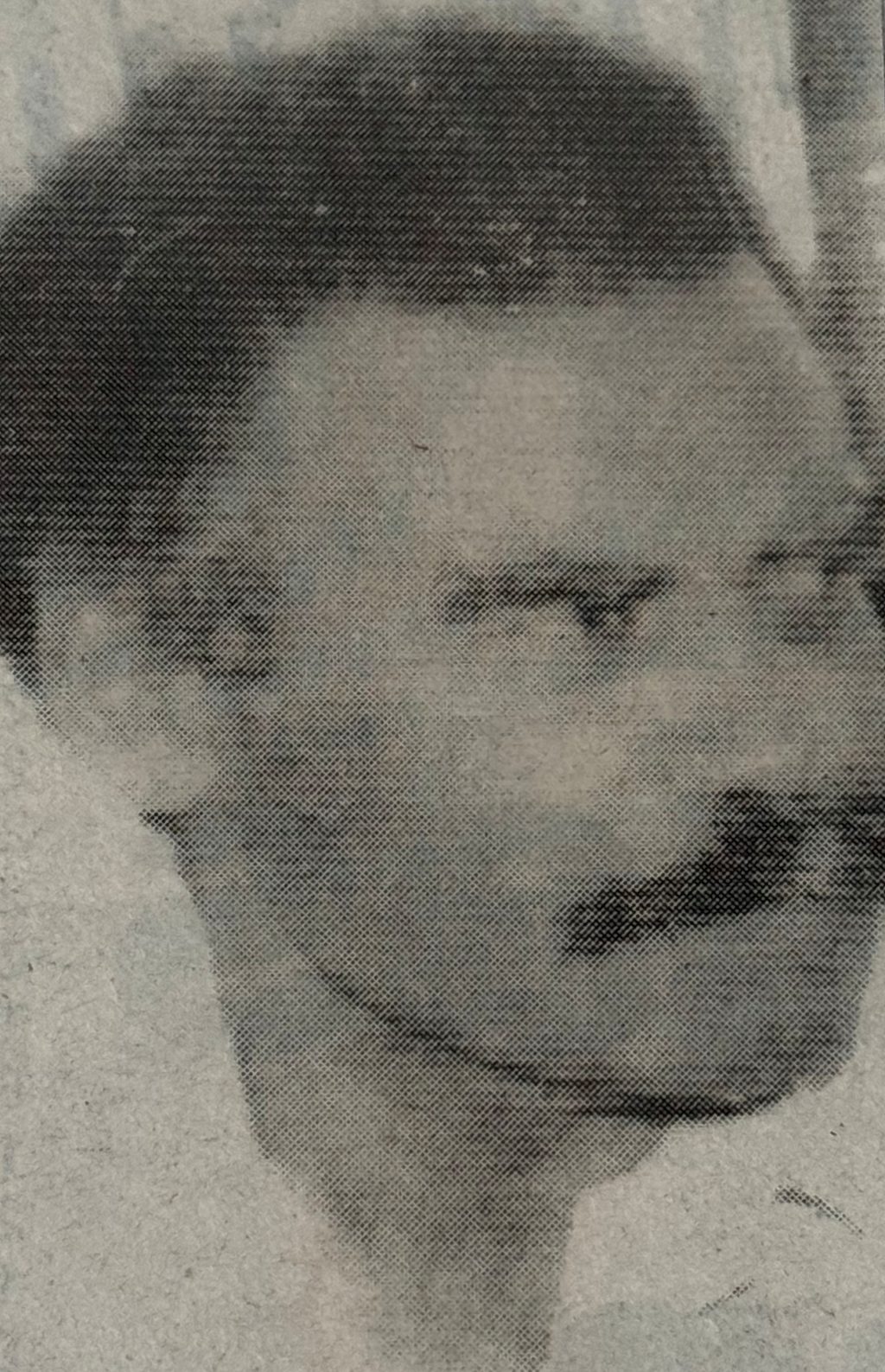
A government of national unity could help Fiji build consensus on democracy and human rights, says Women, Social Welfare and Multi-Ethnic Affairs Minister Ratu Jo Nacola.
His speech at the Fijian Teachers Association conference on Democracy in Multi-racial Fiji was reported in The Fiji Times of December 11, 1992.
Ratu Jo said such a government would promote political stability and healthy race relations.
“Through a government of national unity, Fiji can agree to anchor its political stability and healthy race relations,” he said.
He stressed that imposing a system supported by only a small minority would be undemocratic.
“Imposing a system wanted by a small minority whose motives are questionable is not Fijian. It is anti-democratic,” he said.
Ratu Jo added that indigenous Fijians and Indo-Fijians should focus on shared values and improve mutual understanding.
Meanwhile, Prime Minister Sitiveni Rabuka called on the Opposition to form a government of national unity, a move that surprised Parliament.
Opposition leaders, including Jai Ram Reddy, Mahendra Chaudhry, and Sakeasi Butadroka, welcomed the proposal.
Mr Rabuka was expected to consult the Great Council of Chiefs before any final agreement was reached.
Ratu Jo said indigenous Fijians should retain proportionately greater political representation in Parliament and future governments, even if this did not fully align with the principle of equal political rights.
“We can change our constitution to ensure that it can guarantee proportionate representation of our major and minority communities in governments formed in future elections,” he said.
He added that such arrangements would help provide a sense of security through an agreed weighting of political representation in their favour.
However, he rejected calls from groups such as the Taukei Movement and the Fijian Nationalist United Front for a fully Fijian Parliament.
“We have to come to some accommodation with other communities on a system of electoral representation that will be seen by most sensible and fair-minded people as fair, balanced and honourable because it has been seriously discussed and agreed upon.”

