
Independent trade promotional arm Investment Fiji is taking aim at internal government bottlenecks this week as it manages 119 new trade inquiries from potential New Zealand investors.
While asserting that a $NZ2billion bilateral trade target remains within reach, Investment Fiji board chairman Filimone Waqabaca said officials were meeting with all Government permanent secretaries tomorrow to directly confront agency blockages that stall foreign investment.
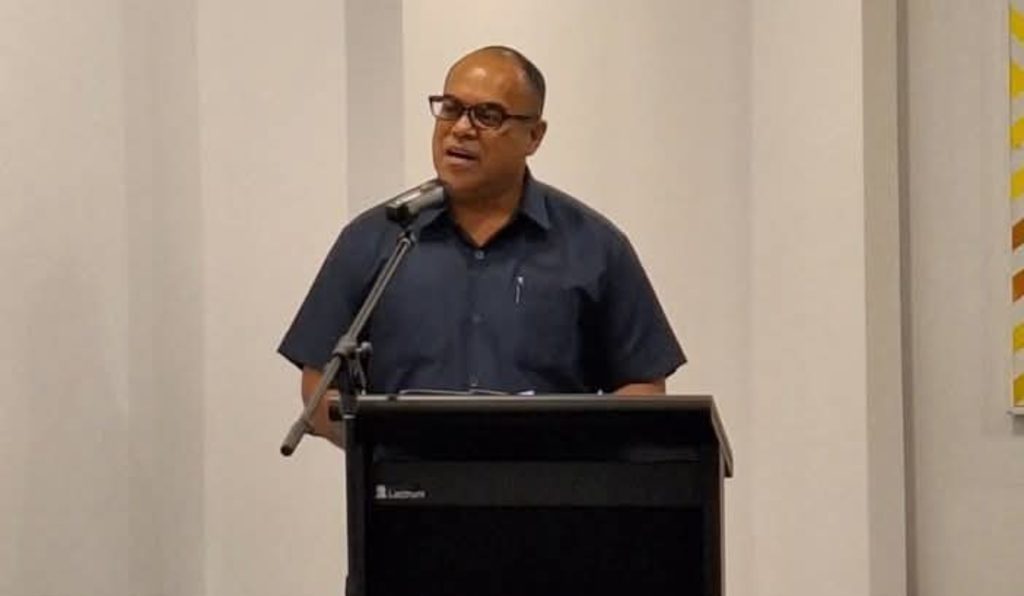
He revealed this while addressing more than 30 investors at the New Zealand Fiji Business Council (NZFBC) trade mission held in Suva this week.
Mr Waqabaca said Investment Fiji had received investment inquiries in areas of ICT, BPO, tourism, wholesale, retail, and agriculture, stamping the fact that New Zealand is one of Fiji’s most important investment source markets.
He also noted that the $NZ2 billion bilateral trade target between Fiji and New Zealand was ambitious and achievable because there were great opportunities in the country, and added that there were also significant gaps in mid-market accommodation, experience-based offerings, adventure tourism, medical tourism, and in retirement living.
“Fiji’s tourism product has room for depth, and New Zealand operators and investors are well-positioned to fill it,” Mr Waqabaca said.
He said their officials would be meeting all the permanent secretaries in the Government on this week to highlight where the blockages were in terms of trying to unlock investments in the country.
“Most of them lie within the Government agencies, and we will have the opportunity to raise this with the heads of the ministries on Wednesday.
“Labour and skills availability in certain sectors, they still require active workforce planning,” he added.
Mr Waqabaca added the global fuel costs and other factors affecting the economy should not be the reasons to walk away because those were conditions that a serious investor needed to price and plan well, and Investment Fiji was actively working to improve this as well.
He said such situation presented the opportunity for leaders in this country, private sectors, development partners, the NGOs, and the public to rise and combine efforts that would cushion the impact of fuel prices and move forward with confidence that was critical in driving Fiji’s economic growth and sustainable development.

