
The Fiji Women’s Crisis Centre (FWCC) and Fiji Women’s Rights Movement (FWRM) have slammed the policy paper Masculinities and Gender-based Violence in Fiji: The Perceptions of iTaukei Men.
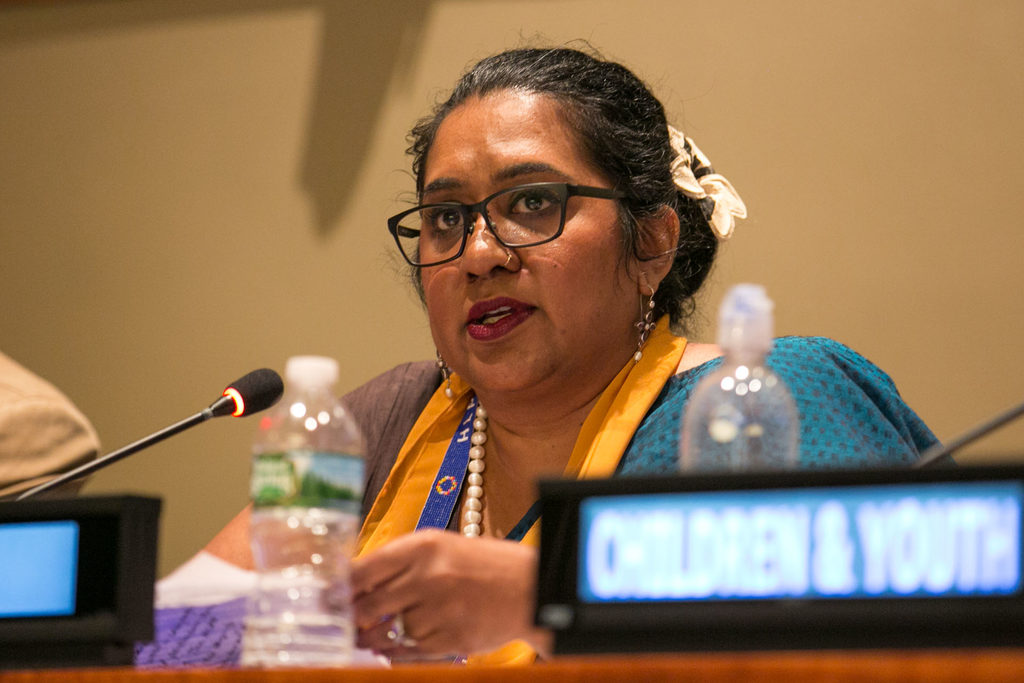
Leading activists – FWCC co-ordinator Shamima Ali and FWRM executive director Nalini Singh – called out the paper in a statement yesterday, saying it misrepresented feminism and contained the viewpoints of only 31 men.
They said the paper “dangerously prioritises male discomfort over survivor safety and accountability”.
“To frame feminist work as a barrier to national policy is not only misleading – it is dangerous,” said Ms Singh.
“Feminism is not an external import – it is deeply rooted in the Pacific and led by women who have long worked within our cultures, faiths, and values to end violence.”
They said the paper “falsely implies” that feminists have prevented data collection on perpetrators when in reality, the FWCC, FWRM, DIVA for Equality and others had led vigorous national data collection and service delivery on GBV.
“Gender-based violence is about power, not culture,” said Ms Ali.
“Culture can be a tool of healing or harm – what matters is whether it protects rights and promotes safety.
“This paper, sadly, reinforces the idea that addressing GBV means making men feel comfortable, rather than making women and survivors feel safe.”
The leaders also pointed out that the paper downplays root causes of violence, using terms like “communication breakdown” instead of explicitly naming patriarchy and power inequality, and omits the lived realities of LGBTQI people, women with disabilities, rural women, and youth as the most vulnerable groups to GBV.
Feminist networks across the Pacific are calling for renewed focus on survivor-centred, intersectional, and anti-patriarchal policies that address the root causes of violence. They also stress the need for stronger investment in feminist research, movement-building, and structural reform instead of a return to systems that normalise male control.
“We cannot end GBV by reinforcing the same patriarchal logic that created it,” said Ms Singh.
“We need political courage to move forward – not policy dressed up in gendered neutrality that quietly protects the status quo.”

