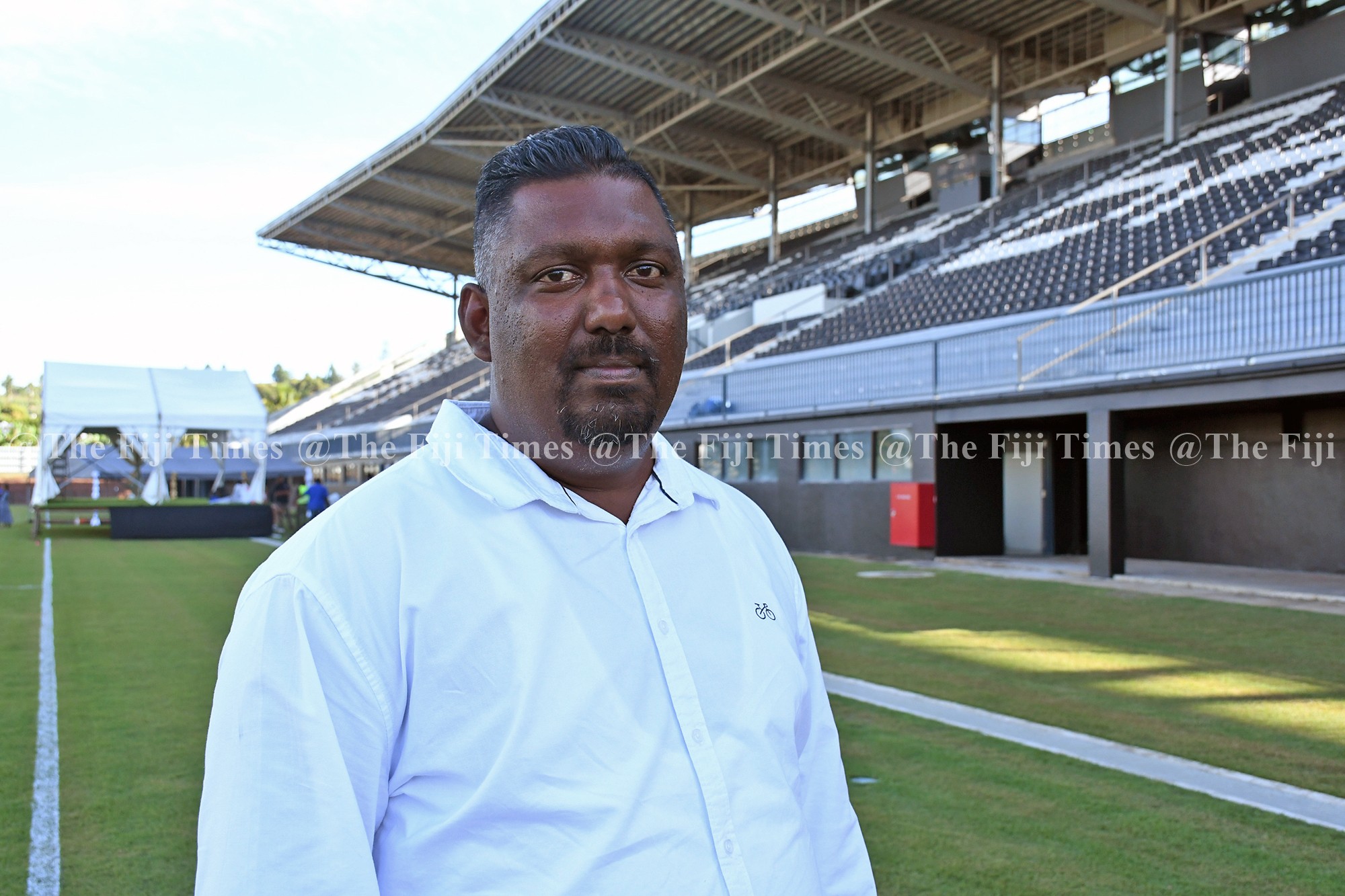
When Acura Seduadua boarded a flight to Australia in 2022, he left behind more than his home village in the highlands of Naitasiri.
It is not the long hours, the blistering pace of harvest season or the physical demands of farm work that drove him. It was the thought of his four children back home in Fiji and the future he hoped to build for them through education.
For the Pacific Australia Labour Mobility (PALM) Scheme worker from Nadakuni Village in Waidina, with maternal links to Nabukaluka Village, every sacrifice made overseas was an investment in his family’s future.
“Working overseas is all about making sacrifices so you can provide for your family back at home,” Seduadua said.
Learning from the ground up
He first travelled to Australia on July 7, 2022, after being selected under the labour mobility scheme.
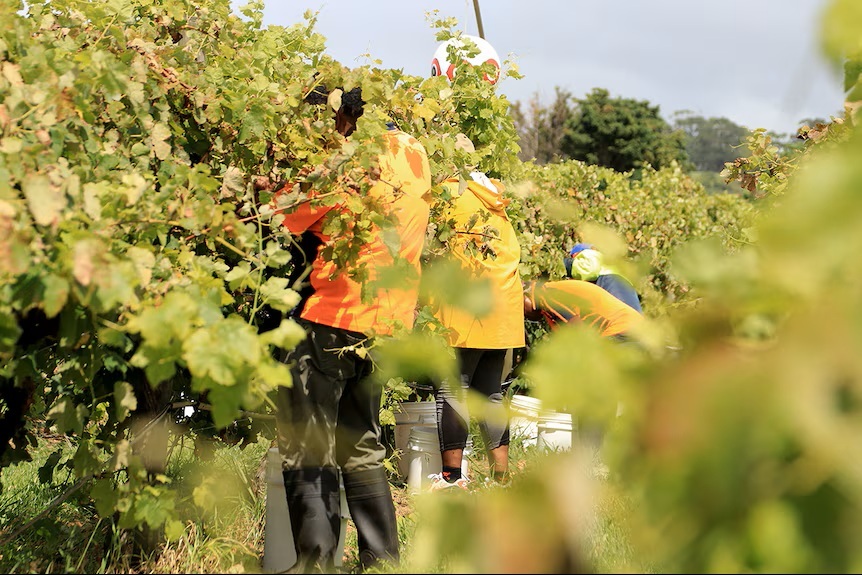
His journey took him to Emerald in Queensland’s Central Highlands, where he began working on a grape farm.
Although viticulture was completely new to him, Seduadua embraced the opportunity.
“I was so happy for being given the opportunity to go and experience that, especially doing something that was completely new to me,” he said.
Before beginning work, he underwent training and learned everything about a grape plant, from pruning, bud burst, leaf growth and flowering to fruit set, veraison and harvesting.
The vineyard required year-round maintenance, including pruning, leaf removal and harvesting table grapes destined for both local buyers and export markets.
Finding his rhythm
Like many first-time workers, the transition was challenging.
“When I started it was hard to adjust but as time went on, I was able to get the rhythm of the work and used my time well,” he said.
His first days harvesting grapes tested his confidence.
“From 7am to 3pm I only filled 10 boxes. I was the only Fijian there compared to other Pacific Islanders,” he said.
“I was disappointed at how slow I was compared to the others who had been working there for a while. That afternoon I followed my Tongan colleagues and learned how to pick up the pace.”
Rather than giving up, Seduadua focused on improving.
“On the second and third day I was able to fill a lot of boxes. It went up to 90 or 100 boxes.”
He said working on Australian farms required workers to learn quickly and keep pace with the demands of the job.
“You have to be alert and be able to adjust to the pace of farm work.”
Following the seasons
During the COVID-19 pandemic, Australia introduced the Temporary Activity (subclass 408) visa, allowing eligible workers to remain in the country longer.
“Because of that visa I was able to work and stay on longer,” he said.
After the visa expired, Seduadua returned to Fiji. He stayed briefly before departing again for Australia the following year. He stayed for another nine months working and returned in March.
Seasonal work later took him beyond grape farms.
He picked citrus, blueberries and strawberries in Tasmania and worked in Adelaide, moving between regions depending on where seasonal work was available.
“Since work depends on the season, we move when there is work elsewhere with fruits that are in season,” he said.
Of all the crops he worked with, citrus proved to be the most demanding.
“Orange picking is tough. The more you pick, the more you earn. If you’re a fast worker, you earn more.”
He found harvesting grapes and blueberries much easier.
Lessons beyond the farm
Despite the demanding conditions, Seduadua said the experience taught him valuable lessons that extended beyond farm work.
“I learned to spend my time well, maintain punctuality, especially getting up early and working on time. That’s something people overseas are used to.”
He believes discipline and commitment are essential qualities for anyone considering overseas employment.
“One thing that workers need to have when going abroad is the ability to endure and stay committed to the work you’ve been given,” he said.
“There you need to manage your time well and be able to have discipline.”
While many people assume overseas workers earn easy money, Seduadua said the reality is very different.
“People say that whoever goes to work overseas earns a lot. Yes, that’s true, but it also comes with its fair share of responsibilities and hard work.”
A future built through sacrifice
The rewards, however, have been life changing.
Income earned through the scheme has allowed Seduadua to renovate his family home in the village and purchase a home in Cunningham.
He bought a house in Suva to support his children’s education when they move to the capital for further studies.
Before joining the labour mobility scheme, Seduadua briefly served in the Republic of Fiji Military Forces under the 3rd Fiji Infantry Regiment (3FIR).
Today, he remains grateful for the opportunity the scheme has provided.
“I thank the Government for opening the door for us to go overseas and work. It has really opened up a lot of opportunities for us, particularly in giving back to our family and community.”
“I’m grateful that people in various villages were included in the scheme to go work overseas and provide a better life for their families.”
For Seduadua, the Pacific labour mobility scheme represents far more than employment overseas.
It is an opportunity earned through sacrifice, one that has enabled him to transform his family’s future.