
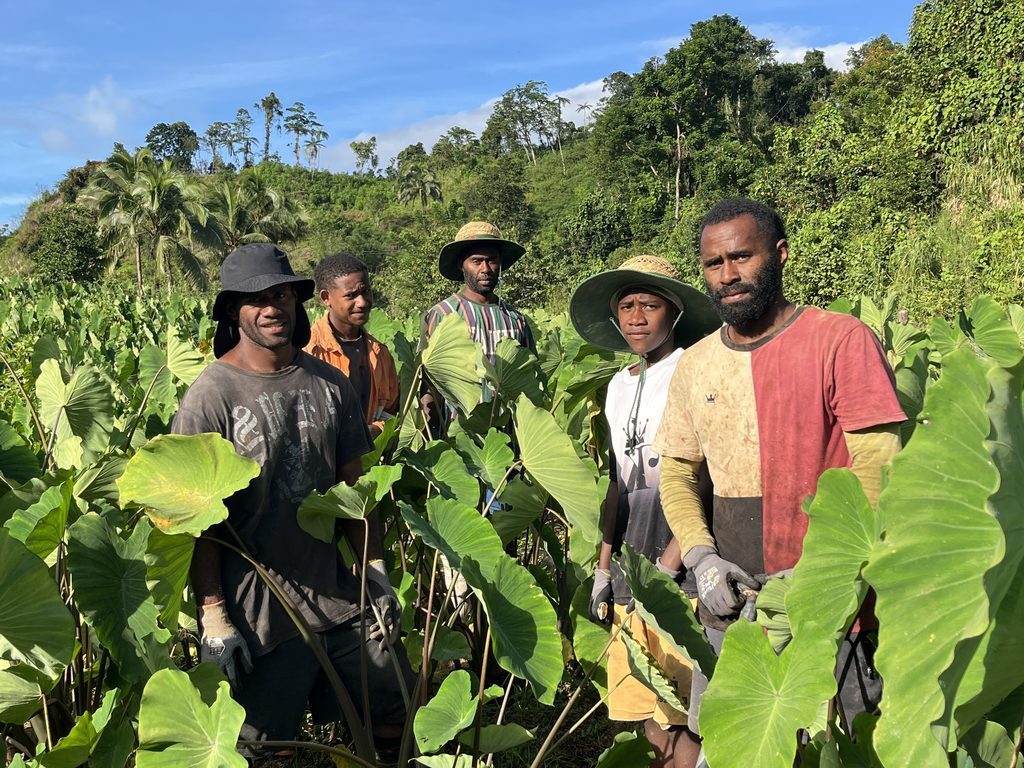
DEEP in the interior of Naitasiri, where mist settles over the hills, the Narara brothers from Saumakia Village are busy building a future from the land beneath their feet.
For Joape Narara Junior and his brothers, Solomoni Namoro Narara, Avorosa Vuniwai Narara and Vuniani Madu Uluiviti, farming is more than just work – it is hope for a better future.
Together, the brothers run Naraviti Tropical Plantation, a family-operated farm that has become known for producing Tausala-ni-Samoa (a species of dalo), a highly sought-after variety priced for its pink colour and superior culinary quality.
When The Sunday Times team visited the brothers recently, they were already hard at work in their dalo fields, joined by two younger cousins eager to work alongside them.
“This morning, as you can see, we are harvesting Tausala. Today (May 13) we are harvesting two tonnes, and this will be sold on Thursday (May 14) for $4 a kilo,” Joape said.
Choosing farming over distractions
The siblings’ journey into farming began only two years ago, but the road has not been easy.
Joape said the brothers faced financial struggles from the beginning, especially while trying to meet daily household and village expenses amid rising living costs.
“Most of the time what we earned wasn’t enough to cater for daily expenses in the village.
“But we believed there was nowhere else we could find success or earn a living except through farming.”
Like many youths in rural communities, the brothers also battled the pressures and distractions that can easily steer young people away from productive paths.
“There were challenges with peer pressure as youths are now easily swayed by distractions. We knew we needed to anchor ourselves properly through running the farm.”
That decision he said, became a turning point.
Sacrifice and hard work
For the Narara brothers, success is built on sacrifice and discipline.
“We believe it is all about making sacrifices and working hard to meet our goals in life,” Joape said.
“First and foremost, we put God first. Prioritising Him is the way forward because without God, all our plans will not bear fruit.”
The brothers now manage more than 44,000 dalo plants spread across two farms, one near the village and another uphill.
Last month alone, they harvested 20,000 plants.
The returns are beginning to reflect years of persistence and long days in the fields.
“We earned about $20,000 from one harvest,” Joape revealed.
But even with growing success, the brothers remain careful with how they spend their earnings.
“From what we earn, we set money aside for hiring a digger, daily expenses, workers’ wages and manure,” he said.
“The rest is saved for investments we hope to take up in the future.”
Hiring machinery remains costly, with digger hire sitting at around $120 an hour, but the brothers see it as part of building long-term success.
Creating opportunities for others
As the plantation grows, so does its impact on the village.
The brothers have started offering work opportunities to relatives and others interested in helping on the farm.
“The main thing is contributing back into the farm, making sure something is always growing and continuing the progress,” Joape said.
Despite criticism and doubt from some people early on, the brothers chose to remain focused.
“One of the difficulties we faced was being berated,” he admitted.
“But we just continued to push through.”
Today, their perseverance is beginning to inspire younger people around them.
Planting for today and tomorrow
While Tausala dalo provides quicker financial returns, the brothers are also investing in yaqona as a long-term source of income.
“We focus on dalo because it grows faster compared to yaqona,” Joape said.
“Tausala can grow within six months, sometimes seven, so it gives us quicker returns.”
“Our yaqona is more of a long-term investment. What we earn from yaqona is kept in the bank.”
The brothers said they have also found a steady market for their produce, supplying buyers such as Joe Farm’s and other middlemen willing to offer competitive prices.
“It’s been a good produce for us,” Joape said.
“We have noticed that we are among the only ones selling Tausala around here.”
A message to Fiji’s youth
Joape hopes their story can encourage other young people to reconsider the value of agriculture.
“For youths out there, nothing is impossible,” he said.
“We just need to work hard and make sacrifices if we want to get somewhere in life.”
“We need to utilise our land and use it wisely by planting crops that can provide good returns.”
He pauses briefly before adding a reminder.
“Farming is not easy. It comes with many challenges, but if you sacrifice and work hard for even one year, you will eventually see the fruits of your labour.”
For the Narara brothers, those fruits are already beginning to show possible on the back of the family and commitment.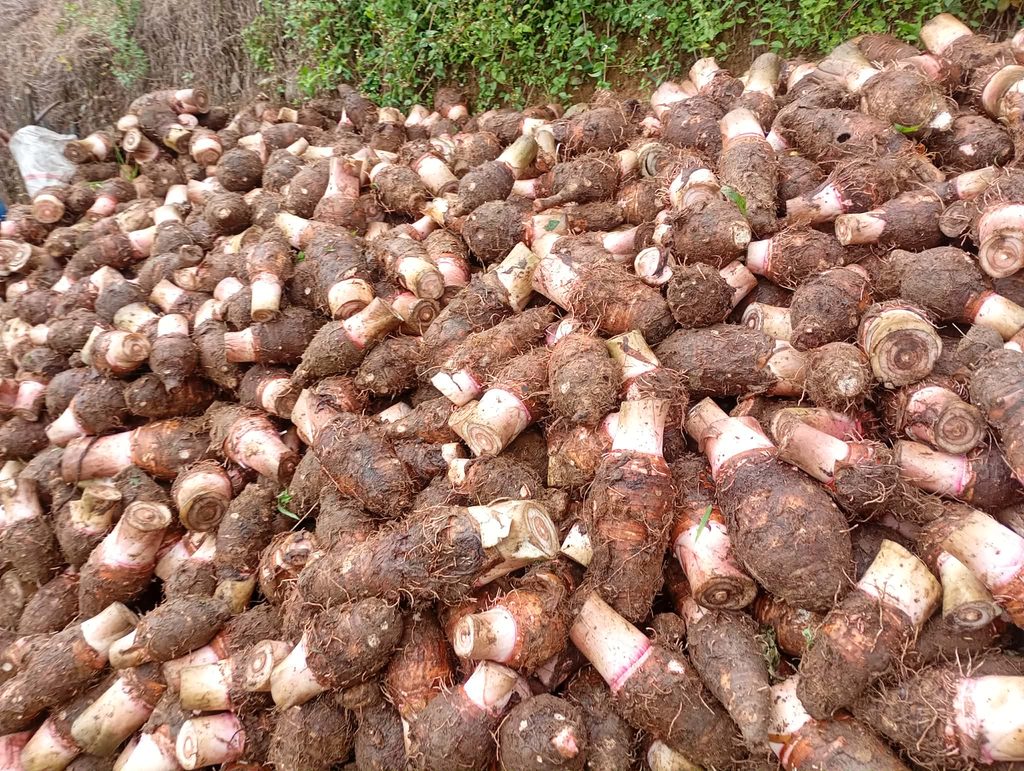
The brothers harvested 20,000 dalo plants last month. Picture: JOAPE NARARA JUNIOR
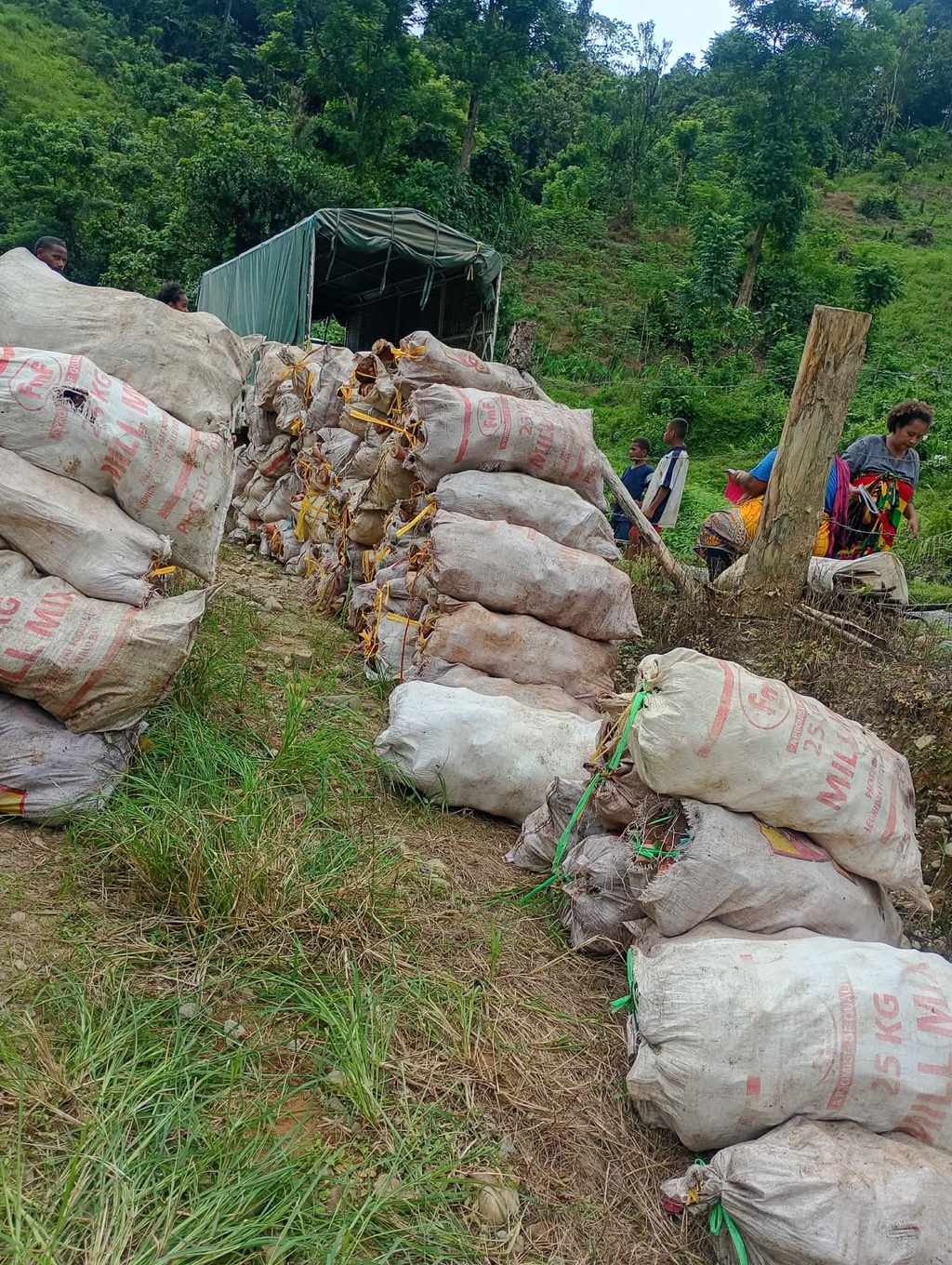
Tausala ready to be loaded in the truck. Picture: JOAPE NARARA JUNIOR
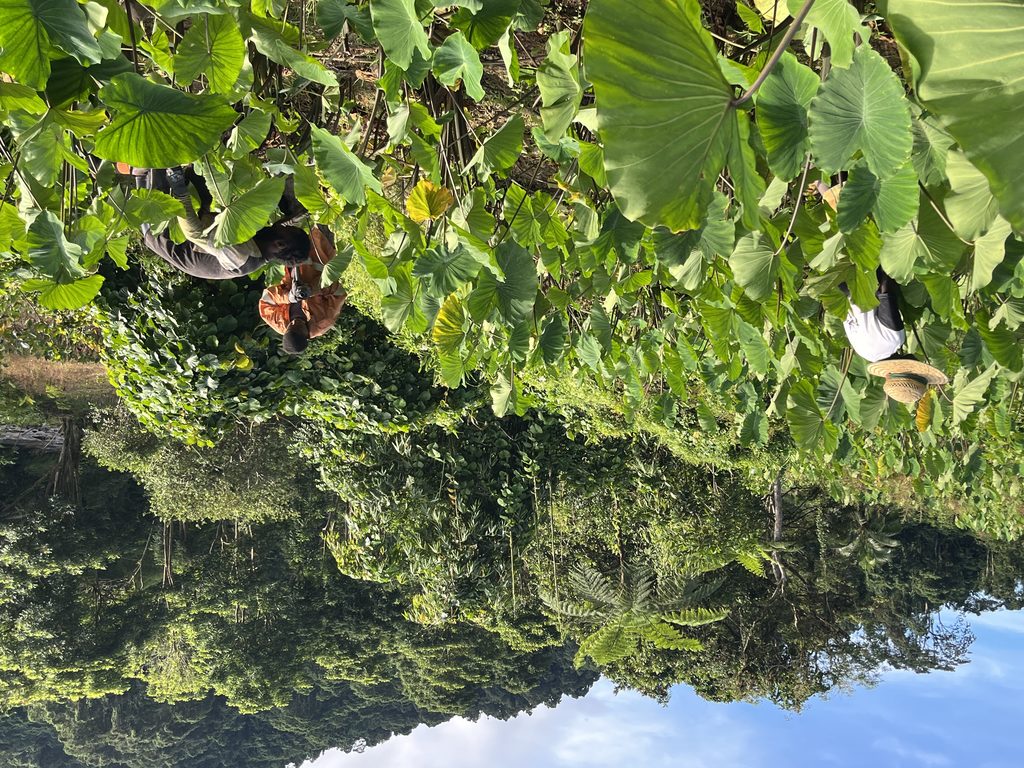
The brothers working in their farm in Saumakia Village. Picture: ANA MADIGIBULI
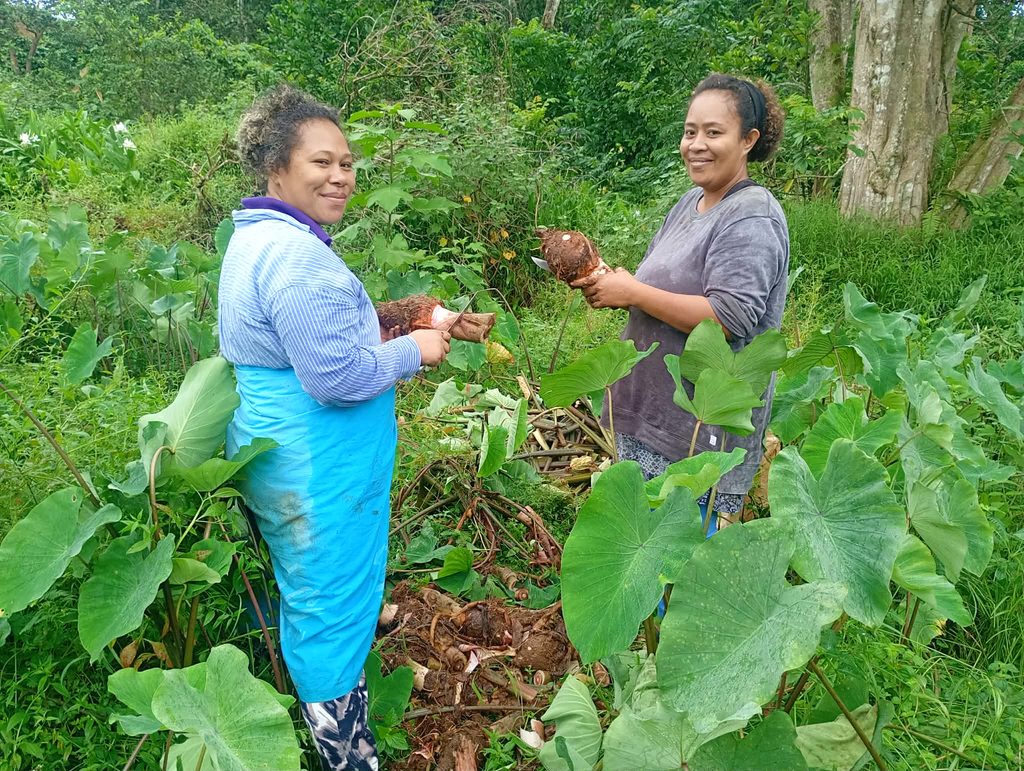
Harvesting is always a family affair. Picture: JOAPE NARARA JUNIOR
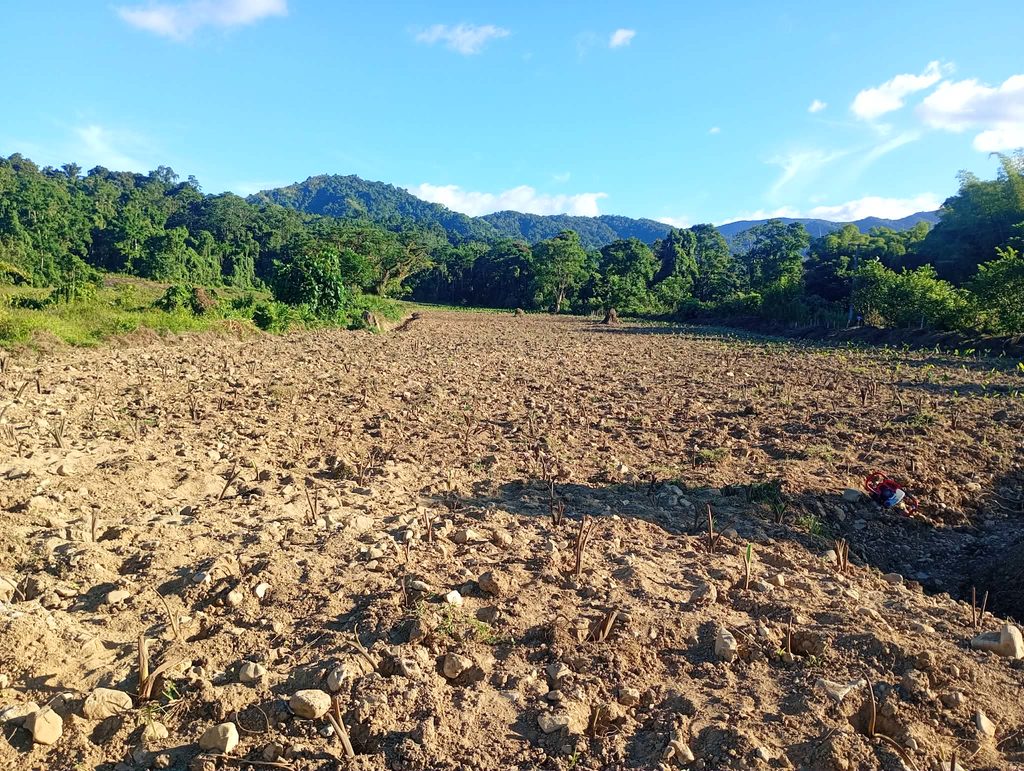
After harvesting, the brother quickly clears the land and continue planting dalo. Picture: JOAPE NARARA JUNIOR
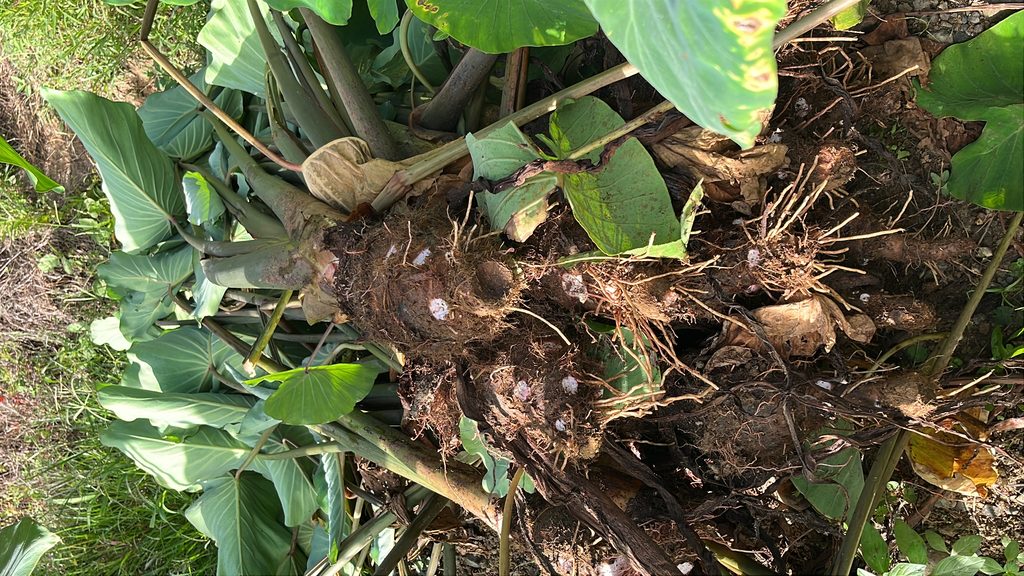
The Tausala-ni-Samoa dalo, a highly sought-after variety priced for its pink colour and superior culinary quality. Picture: ANA MADIGIBULI

