
IN the heart of Namosi, where rugby is woven into the fabric of village life, the Agro Rugby St Michael Liganibai Navunikabi Sports and Community Development Club is proving that sport can be a powerful vehicle for change.
What began as a simple village rugby team formed by youths and elders from St Michael Liganibai, Navunikabi, has evolved into a thriving development movement that combines sport, education, leadership, and community empowerment.
The club was established with a clear purpose; to keep young people, boys and girls, engaged in positive activities while strengthening unity within the community.
Rugby became the foundation upon which broader goals could be built.
Club president Vitale Varo shared the club’s vision extends far beyond winning matches.
“Our focus is not only about rugby success,” Varo said.
“It’s about building disciplined, educated and productive young people who can contribute positively to their families, village and society.”
One of the most inspiring outcomes of the initiative has been its impact on education.
Several young boys who had previously dropped out of school have returned to continue their studies, motivated by the structure, discipline and encouragement provided through the club’s programs.
For a rural community where opportunities can often be limited, the club has become a pathway to hope and personal growth.
Using rugby as a development tool, the club teaches essential life values such as teamwork, respect, responsibility and leadership.
For many young people in Navunikabi village and surrounding areas, it provides their first experience of structured training and mentorship.
The success of this approach is already being reflected on the national stage.
Through its development pathway under the Fiji National Rugby League Academy system, three boys from the club earned selection to represent the Junior Bati last year.
They were Jale Toma, Basilio Tikiko and Frances Dakai.
Two young women from the club, Ilisapeci Qivi and Vaela Baleicakau were also chosen for the Rise Rookie program, highlighting the growing opportunities for women available through the club.
These achievements have reinforced confidence that rural communities can produce elite talent when given the right support and guidance.
Preparation for the current season has reflected the club’s strong community spirit. Training has focused on fitness, discipline and fundamental skills while strengthening team culture.
Players have shown remarkable commitment, balancing rugby with school, farming activities and village responsibilities.
The club’s objectives this year remain ambitious but grounded in its long-term vision. Developing players, improving competition performances and creating more pathways to higher levels of rugby remain key priorities.
Among the club’s proudest recent achievements was seeing one of its players Frances Dakai named as the Under-18 Best Player at this year’s Fiji Bitter Marist Sevens.
Beyond player development, rugby continues to play a vital role in bringing the entire community together.
Varo shares that on training days and match days, the village comes alive with support from parents, elders, youths and community members. Rugby provides a common purpose, strengthening village pride and unity.
“It gives the community something positive to rally behind,” Varo said.
Like many rural sporting organisations, Agro Rugby faces significant challenges.
“Limited access to quality facilities, equipment and regular high-level competition can hinder development. Travel costs and balancing sporting commitments with school, work and village obligations add further pressure”.
Yet these challenges have also helped shape the character of the players.
Club leaders say rural athletes often display exceptional resilience, discipline and work ethic, qualities that have become hallmarks of the Navunikabi program.
Varo said talent identification remains a key component.
“Young players are spotted through village competitions, school tournaments and training sessions. However, coaches place just as much importance on attitude and willingness to learn as they do on natural ability.”
“Once identified, players receive structured training, mentorship and exposure to advanced development opportunities whenever possible”.
True to its name, Varo shared that the club’s commitment to community development extends well beyond rugby.
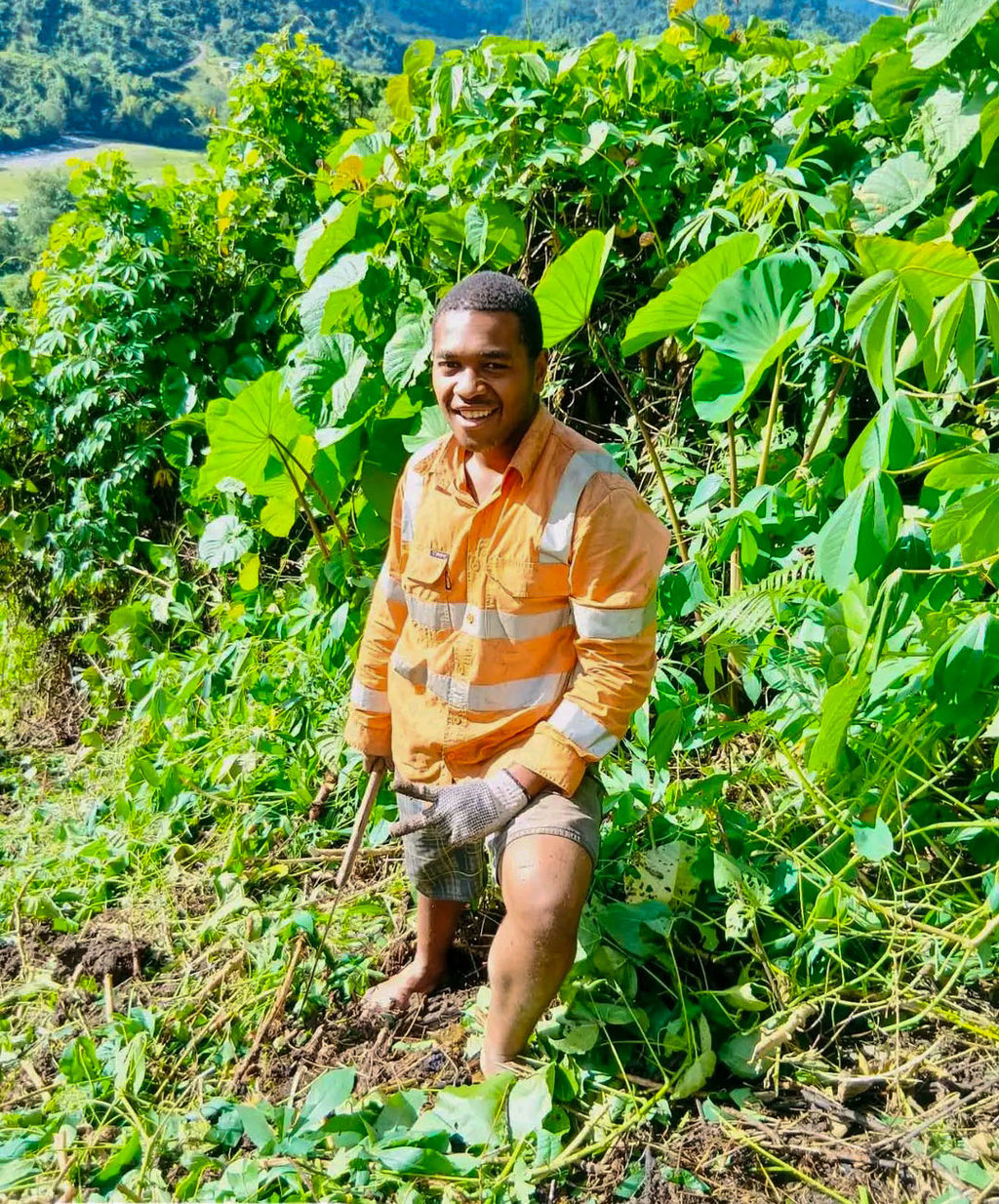
“Members are actively involved in agricultural projects, farming initiatives, livestock programs and small livelihood ventures designed to improve economic opportunities within the village”.
By connecting sport with education and sustainable livelihoods, the Agro Rugby St Michael Liganibai Navunikabi Sports and Community Development Club is creating a model for rural development.
In Navunikabi, rugby is more than a game. It’s shaping futures, strengthen communities and inspire a new generation to dream beyond the boundaries of the rugby field.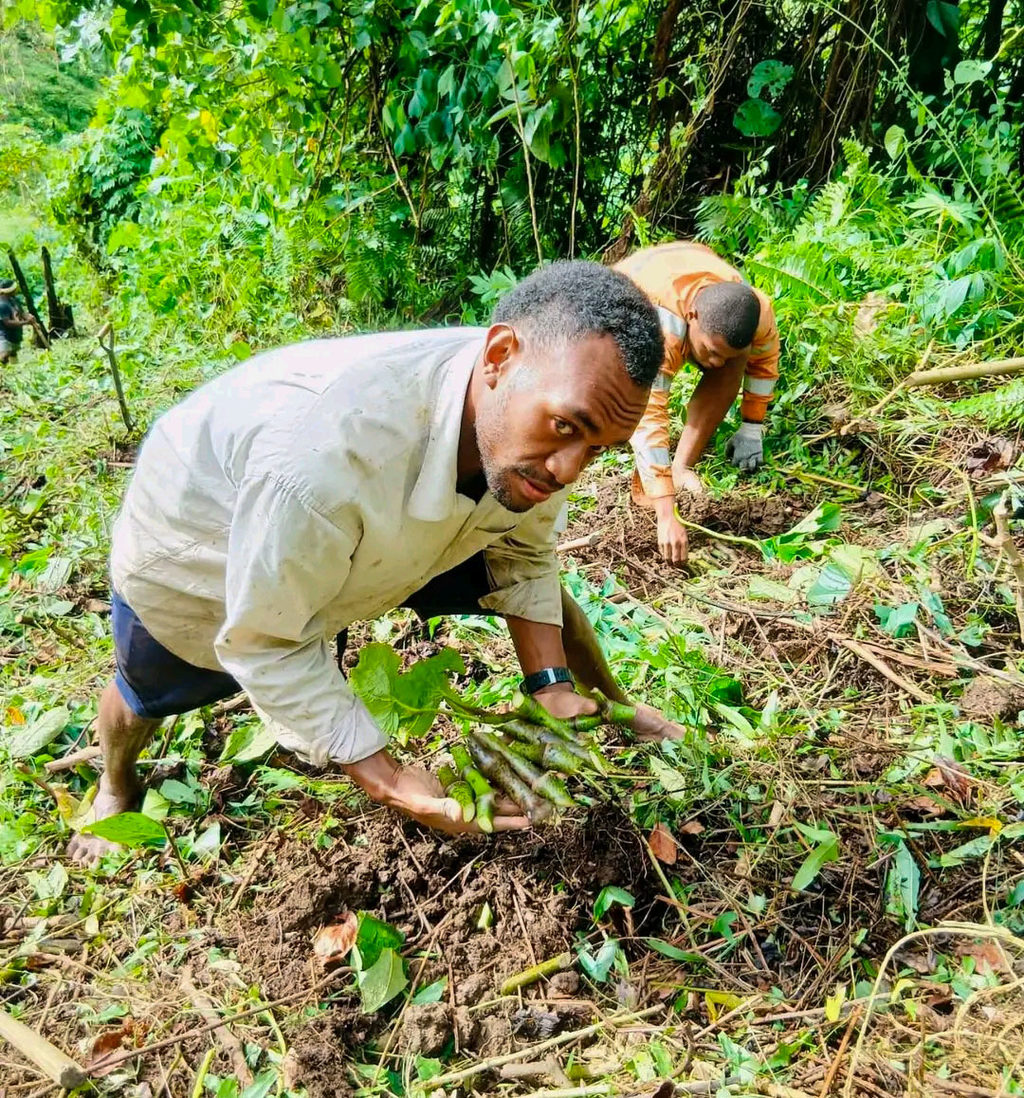
Twenty-three year old FNU student Mikaele Kemueli at the club’s yaqona farm in Namosi.
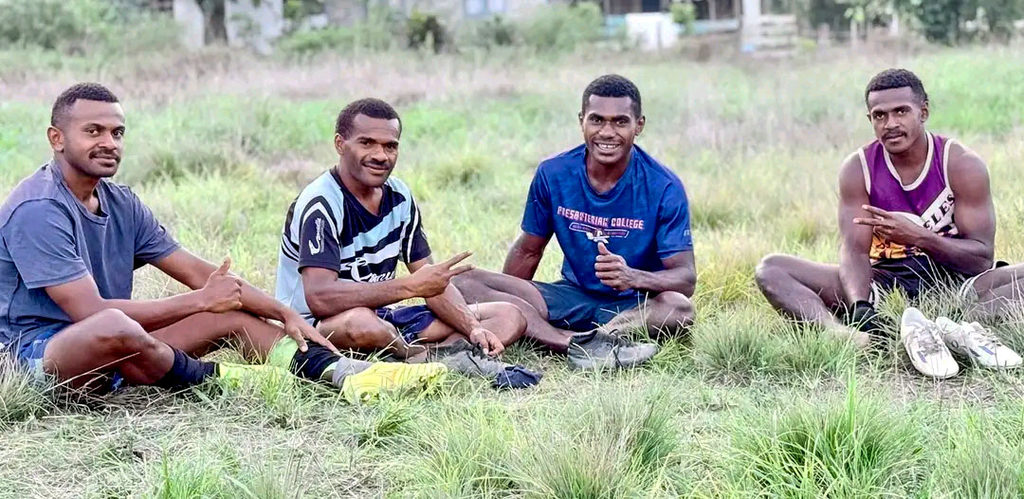
From left: Rusiate Tuilawaki, Kalisito Bolatolu, Toma Nemani and
Lui Acareva during their club’s training in Namosi.
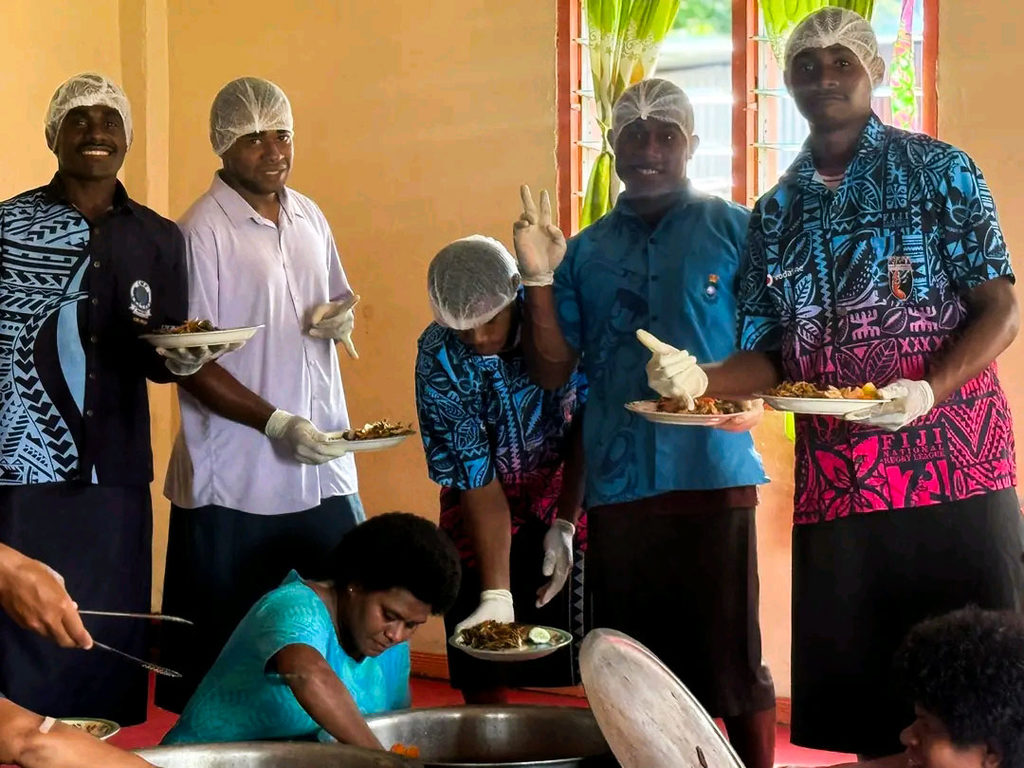
U18 members of Agro Rugby St Michael Liganibai
Navunikabi serve food.
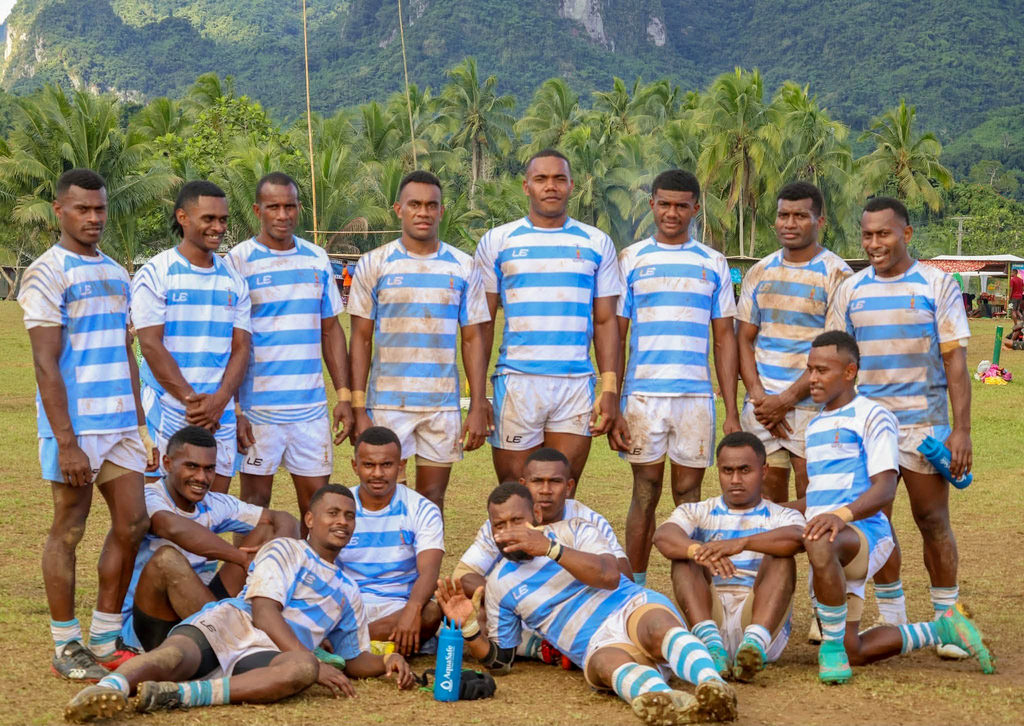
The Agro Rugby St Michael Liganibai Navunikabi senior men’s rugby team. Pictures: SUPPLIED
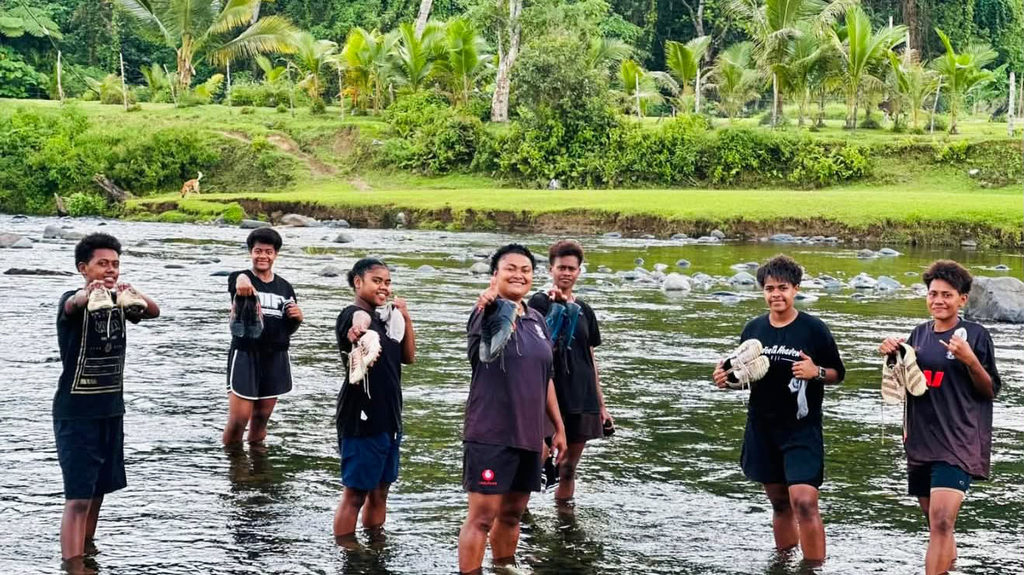
The Agro Rugby St Michael Liganibai Navunikabi women’s rugby team before their training session in Namosi.

