
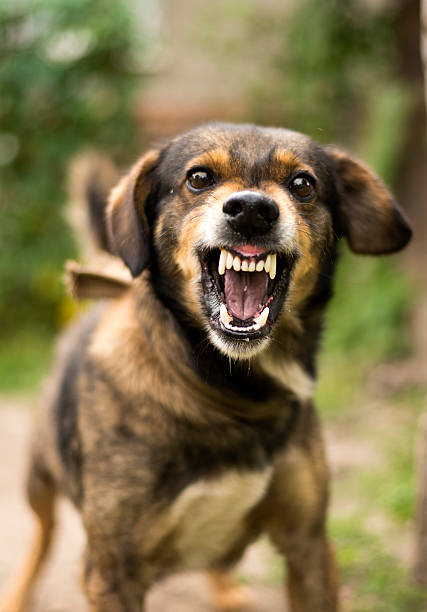
National Dog Bite Prevention Week takes place during the second full week of April each year, and focuses on educating people about preventing dog bites.
Read up on dog bite prevention tips, and use the #Prevent- DogBites hashtag to share dog bite prevention information from April 9–15!
National Dog Bite Prevention Week is a project of the National Dog Bite Prevention Week Coalition.
Why do dogs bite?
Dogs bite for a variety of reasons, but most commonly as a reaction to something. If the dog finds itself in a stressful situation, it may bite to defend itself or its territory. Dogs can bite because they are scared or have been startled.
They can bite because they feel threatened. They can bite to protect something that is valuable to them, like their puppies, their food or a toy. Dogs might bite because they aren’t feeling well. They could be sick or sore due to injury or illness and might want to be left alone.
Dogs also might nip and bite during play. Even though nipping during play might be fun for the dog, it can be dangerous for people. It’s a good idea to avoid wrestling or playing tug-of-war with your dog.
These types of activities can make your dog overly excited, which may lead to a nip or a bite.
Three significant factors in dog bites in Fiji
1. Teasing dogs behind a fence or gate is bad behaviour by people. It teaches the dog to react. The reaction is lunge, snarl, snap and bite. If suddenly there is no fence or gate the reaction is the same — the dog bites, the human suffers the consequences of the bite, and the dog gets punished or even loses its life.
2. Roaming dogs. So much has been and is being said about this but most importantly if this is your dog you are allowing to roam then stop it. Your dog should not be on the street roaming around. Period. Fullstop.
3. Owned dogs. Some basic understanding and care would help prevent the majority of these bites.
At home, with our own dogs we should think about these things: Never tease dogs by taking their toys, food, or treats. Never pretend to hit or kick. Never actually hit or kick a dog.
Never pull a dog’s ears or tail, and don’t drag, climb on, or try to ride dogs Leave dogs alone when they’re eating or sleeping. Always be there when the young children are together with the dog.
Dogs have likes and dislikes. The family needs to develop understanding of dog behaviour as they grow older. Focus on gentle behaviour. Educate children at a level they can understand. Don’t expect young children to be able to accurately read a dogs’ body language.
• JO OLVER is a doctor of veterinary medicine. The views expressed are those of the author and do not reflect the views of this newspaper.

