
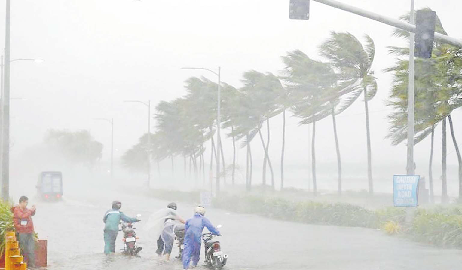
Bula readers, I am praying you and your loved ones are all safe and well as cyclone Yasa swirls around our beloved nation.
This week, I thought to research and take notes of what precautions other nations across the globe take in times of natural disasters such as cyclones, hurricanes and tornados.
I am aware that there are many agencies that have details regarding this, but I thought to try and put together a very simple and easy to follow list of how we can help each other in Fiji during times of crisis.
There can never be enough information on safety and securing yourself and your loved ones from harm in the event of an emergency and here are ten simple and important universal steps to take during these uncertain times, you may already know most of these steps, but in the event, you don’t know, I am sure even one of these suggestions could help in times of need.
1. Stay in tune with local and national alerts
If you’re at home during the cyclone there’s a good chance you’ll lose power supply to your area. This knocks out TVs, internet, cell service, wireless capability and pretty much all the high-tech communication methods for information updates. That’s where a battery-powered portable radio comes in handy. Having a portable radio that runs on battery power ensures you always have an internal connection, so you can stay up to date about the storm system, path and when the adverse weather has safely passed. It’s also important to stock up on extra batteries before the storm, so you can stay tuned during and after the storm has gone.
2. Stay inside and away from windows You need to stay inside at all times and away from any windows and doors. Cyclones are extremely powerful storms, which can thrust heavy objects through the air without a moment’s notice causing harm to human life and property. Cyclones can easily project dangerous objects through a window or door, even if you have strong windows and doors, it’s still a good idea to remain a safe distance away and have suffi cient cover while the cyclone is passing through. A good place to be during a cyclone is in an interior room if possible. Even if the storm seems to have calmed down and dissipated outside, stay inside until you have confi rmation it is safe to go outside.
4. Use emergency equipment carefully If you have lost power and are dependent on candles for light, be sure to use them very carefully. It might sound like obvious advice, but you must always keep candles away from anything even remotely fl ammable and make sure to blow them out when going to sleep. A lot of disasters have been caused by lit candles being unattended and catching fi re, it is important to be very vigilant during this time.
5. Beware of water coming into your home If any water is coming into your home from the outside, whether it’s through a broken window or another source, turn off your home’s main power source immediately. After turning off your home’s main power source, try to round up some towels and any other items that could help prevent the water from continuing to pour into your home. This will help prevent further damage from occurring
6. Make your surroundings safe Clear your yard and make sure there’s nothing that could blow around during the storm and damage your home. Move bicycles, lawn furniture, grills, and building material inside or under shelter. Get rid of dead and rotting trees that could fall and injure someone or cause property damage. Trim large trees and shrubs and bring all outside patio furniture, potted plants and toys indoors. If necessary, secure outdoor fi xed items with blankets tied with a rope. Secure your roof if possible.
7. Clean water containers Fill clean water containers with drinking water. You will want to do this in case you lose your water supply during the storm. You can also fill up your sinks and bathtubs with water for washing. It is important only to drink boiled water or bottled water as some of the drinking facilities may have the potential of being contaminated during adverse weather.
8. Take care of broken objects Watch out for broken electrical poles, wires and other sharp objects which may have fallen during a storm. It is essential you do not go anywhere near electrical poles that have fallen and contact the relevant authorities to advise further.
9. Check list for adverse weather At least a three-day supply of non-perishable food; Battery-powered portable radio for weather updates; Flashlight; First aid kit (if possible); Extra batteries; Whistle to signal for help; Floodwater is dangerous – never drive, walk or ride through floodwater; Floodwater is toxic – never play or swim in floodwater; and Unplug appliances and move appliances and store them in cabinets or interior closets. Store drinking and washing water
10. Emergency Services contact numbers 910 for fi re emergency; 911 for ambulance; 913 for EFL; 917 for police; and 5777 for Water Authority of Fiji. I do hope this checklist is of some help to you and that these simple steps which are universally endorsed might be able to assist you in your time of need during our natural disasters. Adios readers, please be safe and take care during this time.
Ajay Bhai Amrit is a freelance writer. The views expressed in this article are not necessarily shared by this newspaper.

